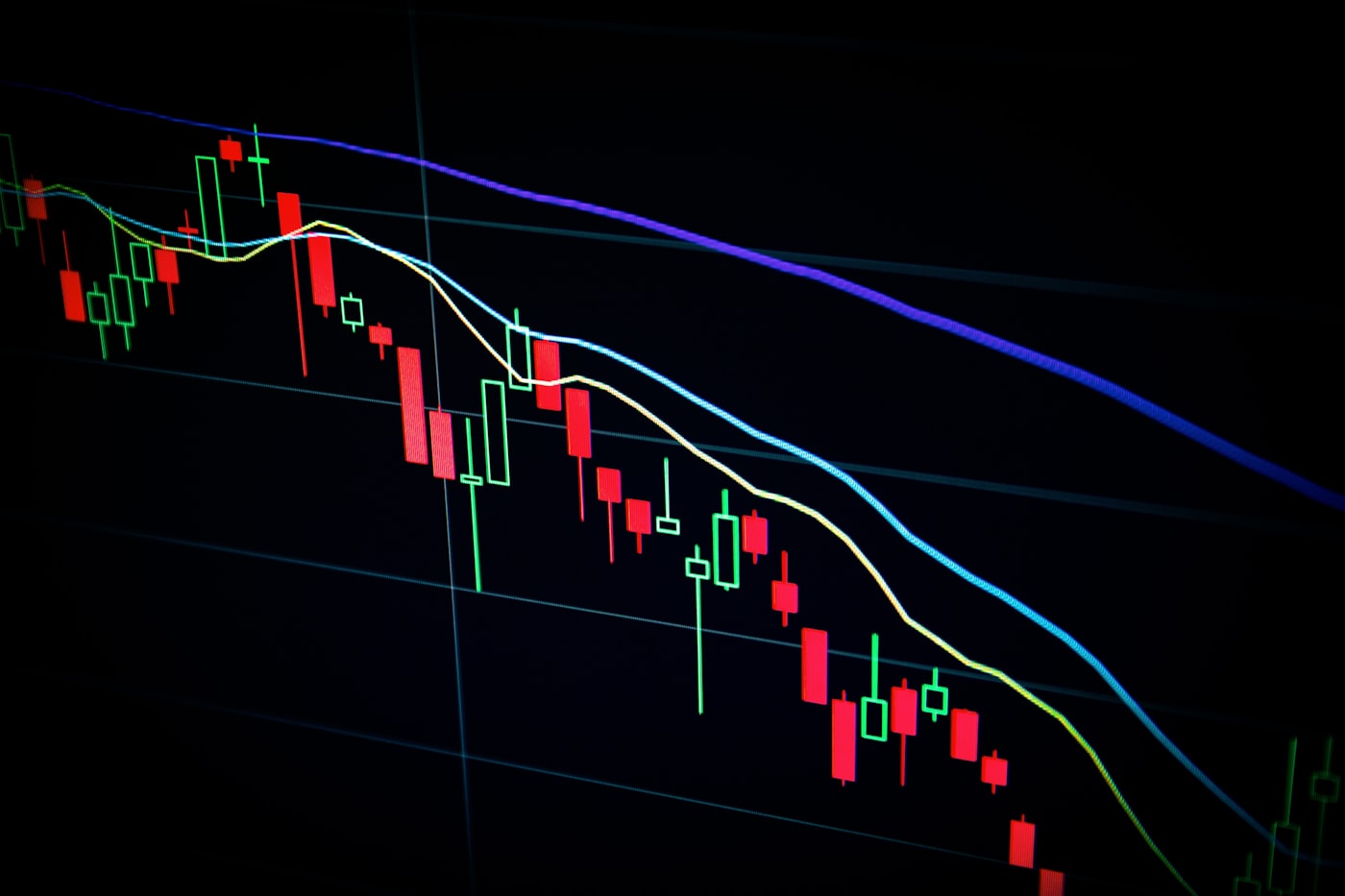
U.S. financial stocks dropped Tuesday as investors weighed artificial-intelligence disruption fears and a flattening Treasury yield curve, Reuters (opens in new tab) reported Sept. 22. The S&P 500 Financials index finished down about 2% and the S&P 500 bank index down about 3%, with Charles Schwab off 6.1%, Ameriprise 4.4%, and Raymond James more than 3%.
Reuters (opens in new tab) said the gap between two- and 10-year Treasury yields hit its flattest level since March 2025—last near a positive 21 basis points after dipping as low as about 17.9 earlier Tuesday—after standing at 55.5 basis points on Aug. 18 as traders increased bets on Federal Reserve rate hikes. Portfolio managers cited both AI competition concerns in wealth management and curve flattening that can pressure bank returns.
On Wednesday, Channel News Asia (opens in new tab) reported U.S. shares fell while the benchmark 10-year Treasury yield jumped 8.7 basis points to 5.054%, the highest since 2007, after S&P Global’s flash U.S. Composite PMI Output Index rose to 58.4 in September—the highest since July 2021. Two-year yields rose to 4.862%, the highest since June 2024, CNA said.
Fed funds futures priced about 73% odds of an October rate hike, up from 53% earlier, according to CNA. Fed Governor Michael Barr said the central bank had taken a step to recalibrate short-term borrowing costs to lower inflation and would likely need further hikes, CNA reported. The Dow fell 0.18%, the S&P 500 0.53%, and the Nasdaq 1.05% on Wednesday in that account.
Reuters (opens in new tab) also noted market jitters around delayed AI-related IPOs, including a postponed SB Energy roadshow cited by a source familiar with the matter. Gabelli’s Macrae Sykes told Reuters (opens in new tab) short-term noise did not change his longer-term constructive view on bank fundamentals. Unspun merges the consecutive-session curve/yield and financials stories into one markets piece per desk guidance.