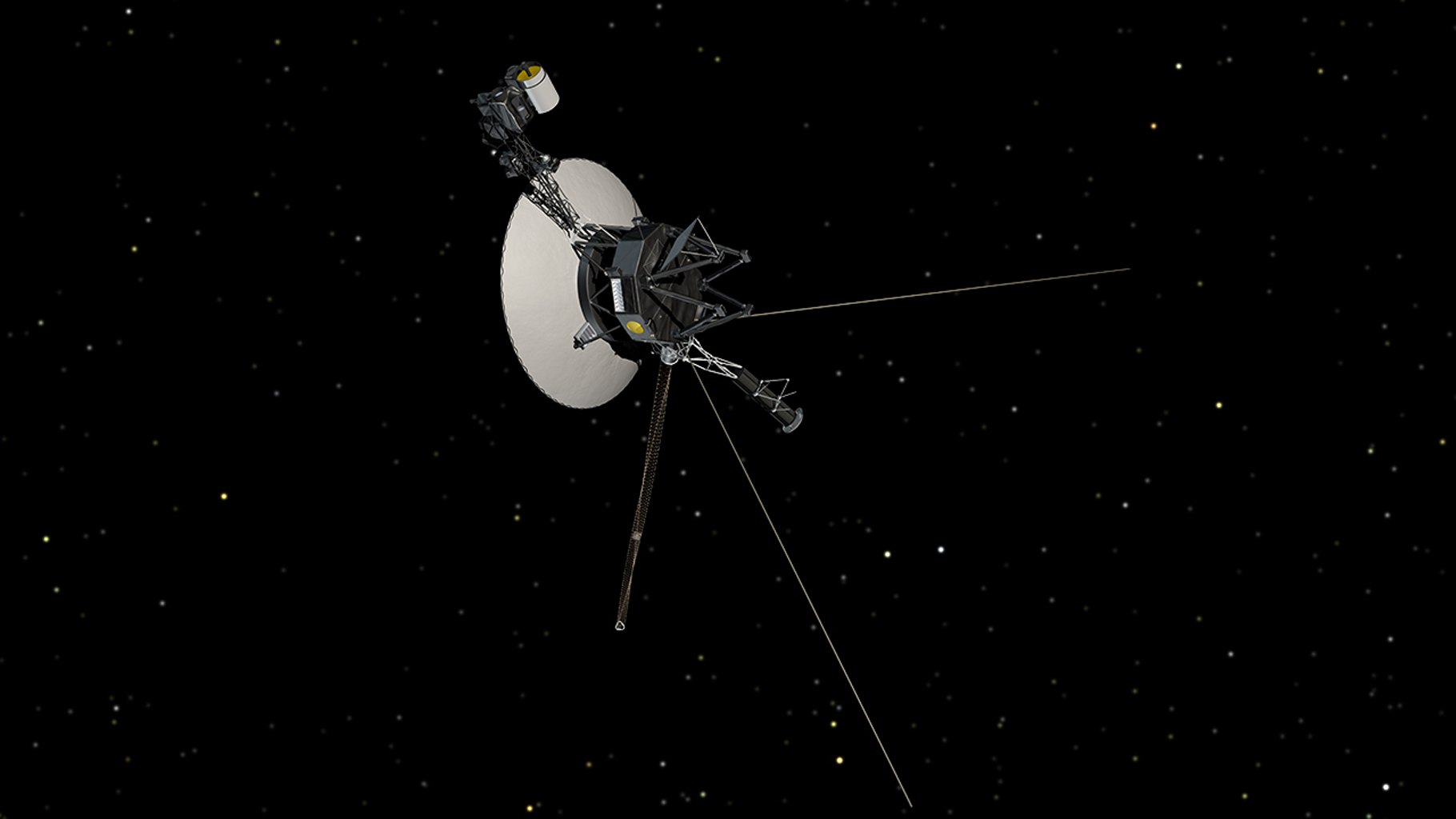
Voyager 1 set to become first spacecraft one light-day from Earth
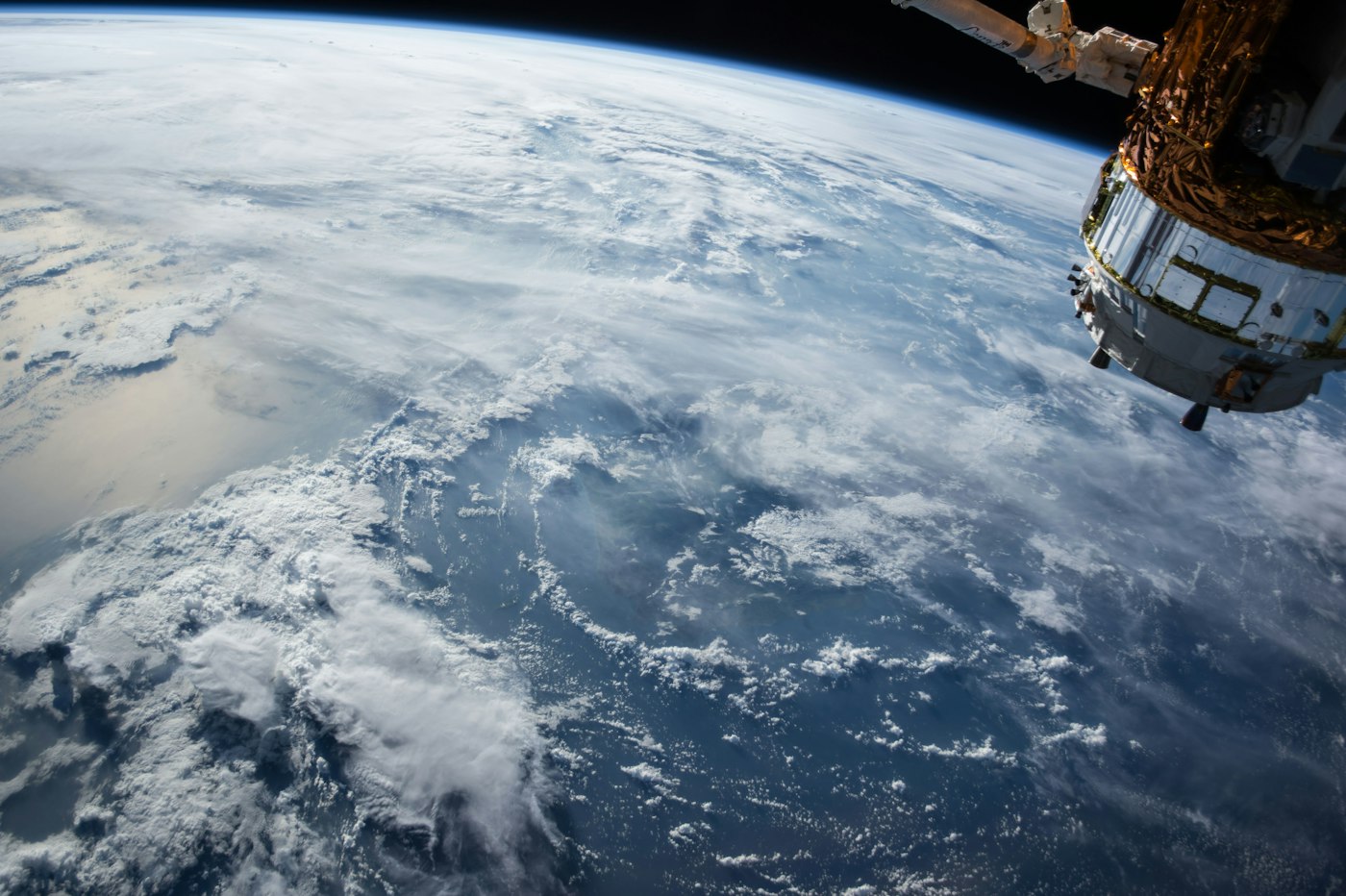
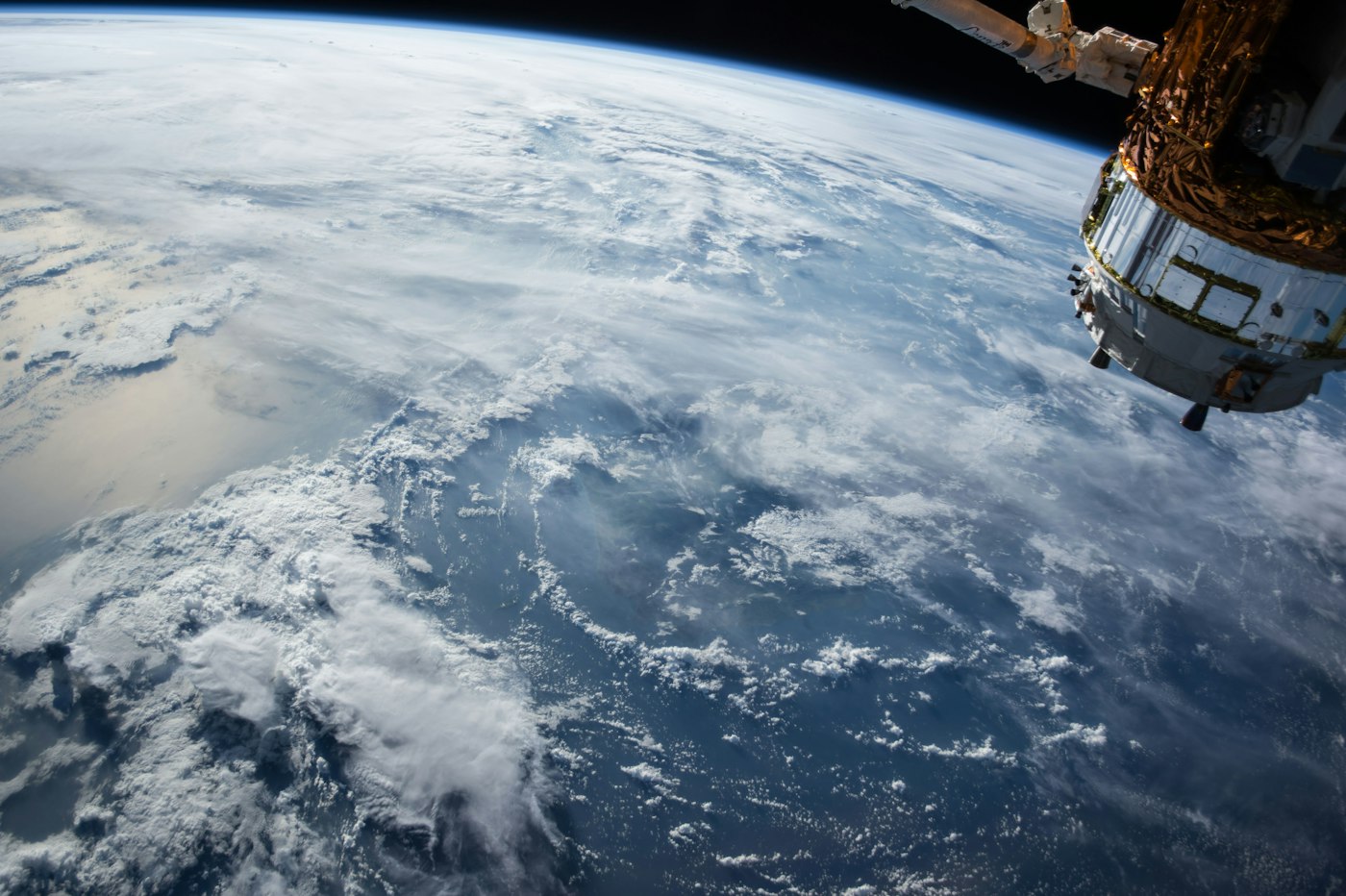
NASA says the probe, launched in 1977, will reach a distance of about 16.1 billion miles early Wednesday, so far away that a radio signal takes a full day to travel each way.
Research findings, space, and discovery — methods and uncertainty labeled clearly.
NASA says the probe, launched in 1977, will reach a distance of about 16.1 billion miles early Wednesday, so far away that a radio signal takes a full day to travel each way.
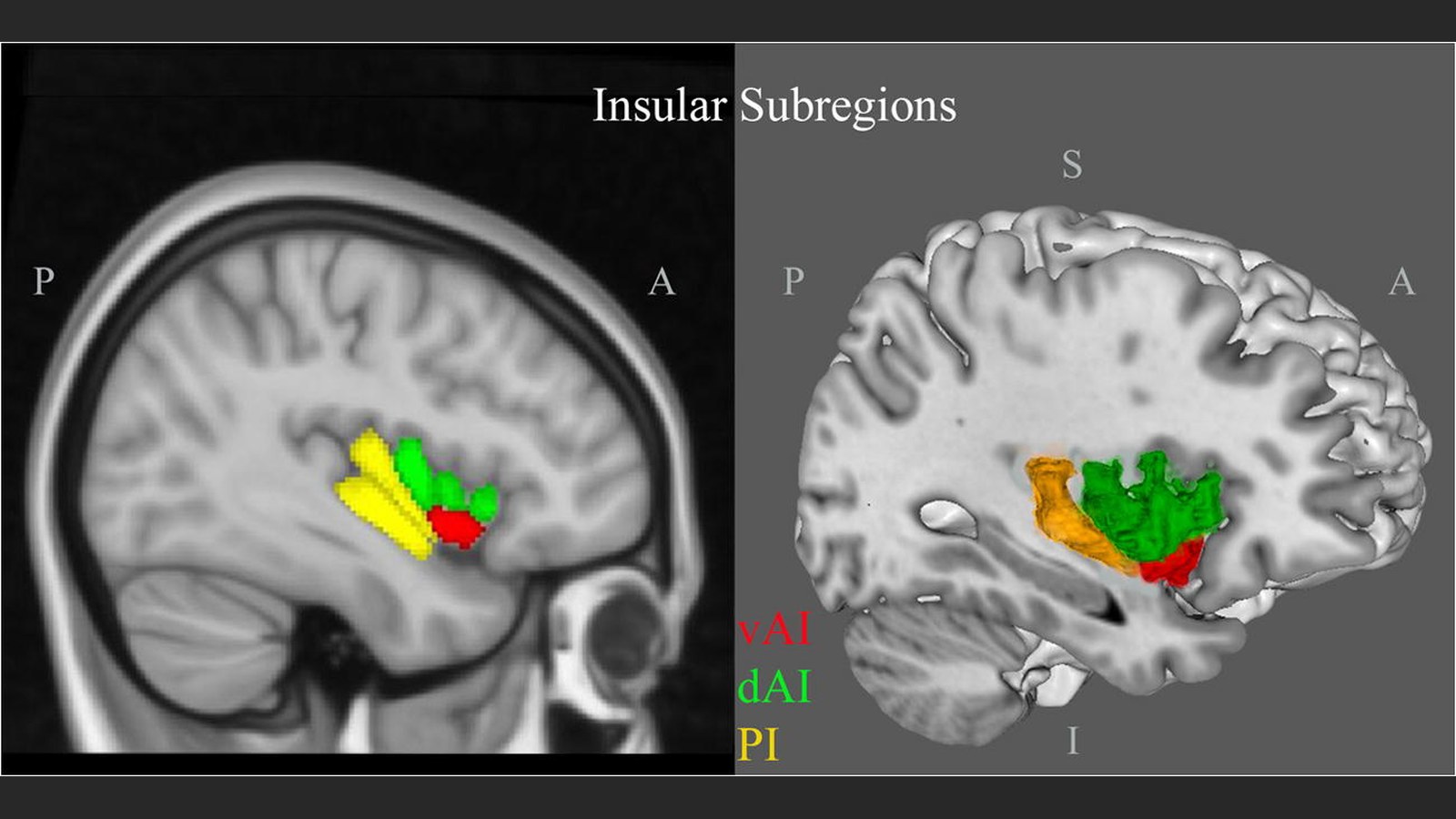
Each copy of the variant was associated with 0.85 cubic centimeters less volume in the cuneus, Nature reported. The study reports an association, not a causal finding.
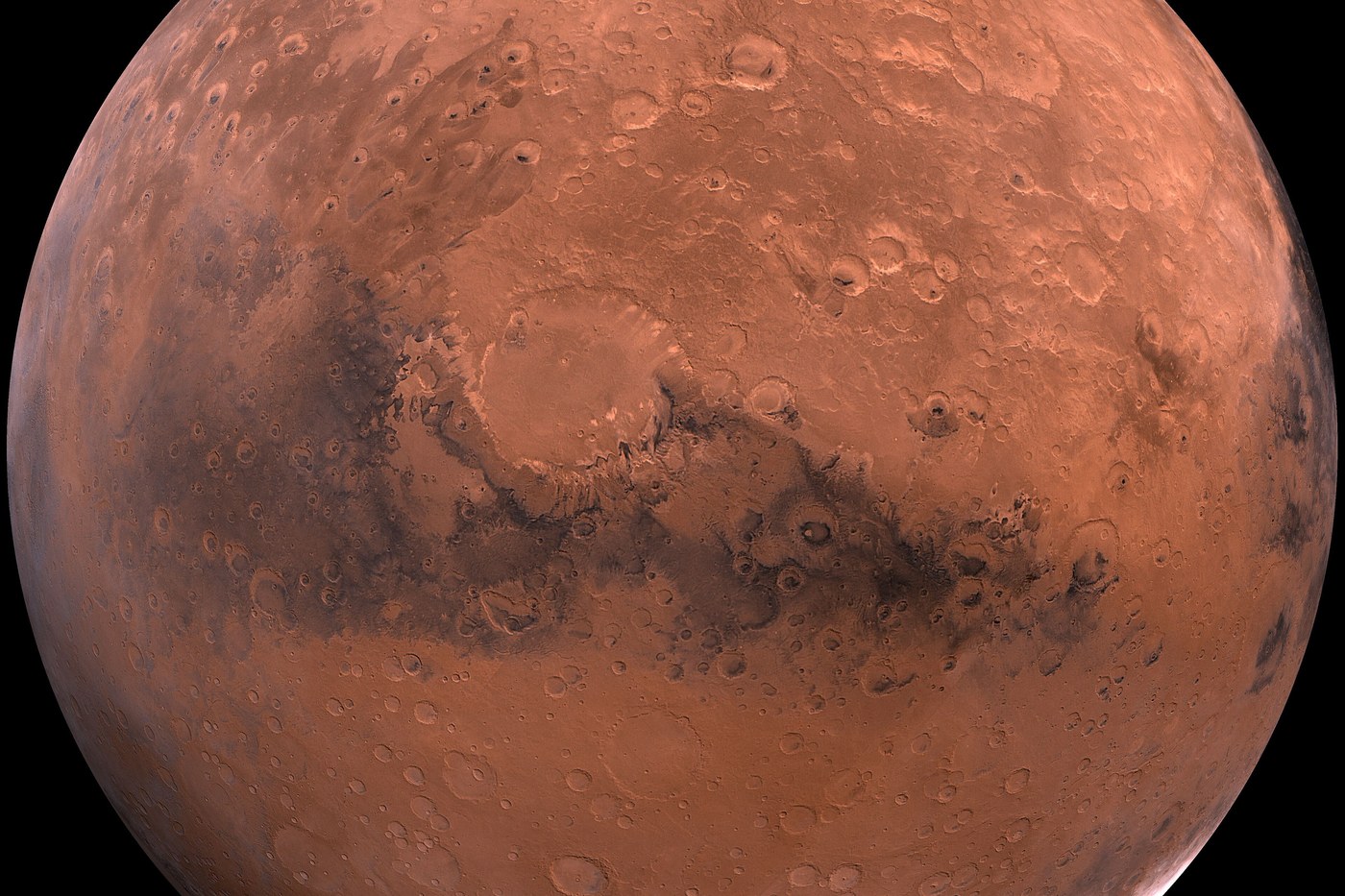
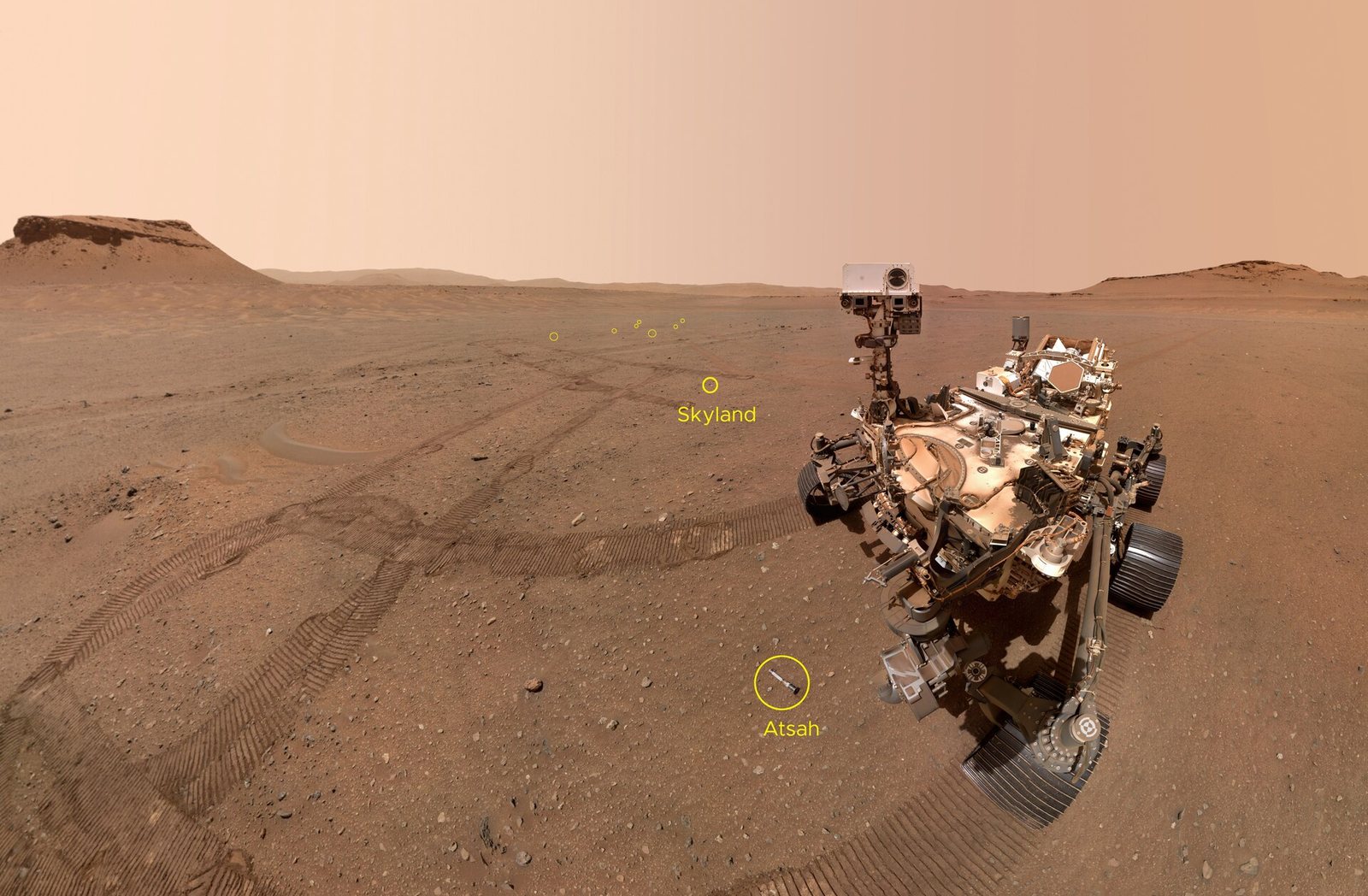
Gold completed a powered flyby on Monday, following Blue on Nov. 7. NASA called it the first time it has used the maneuver to send a craft toward Mars.
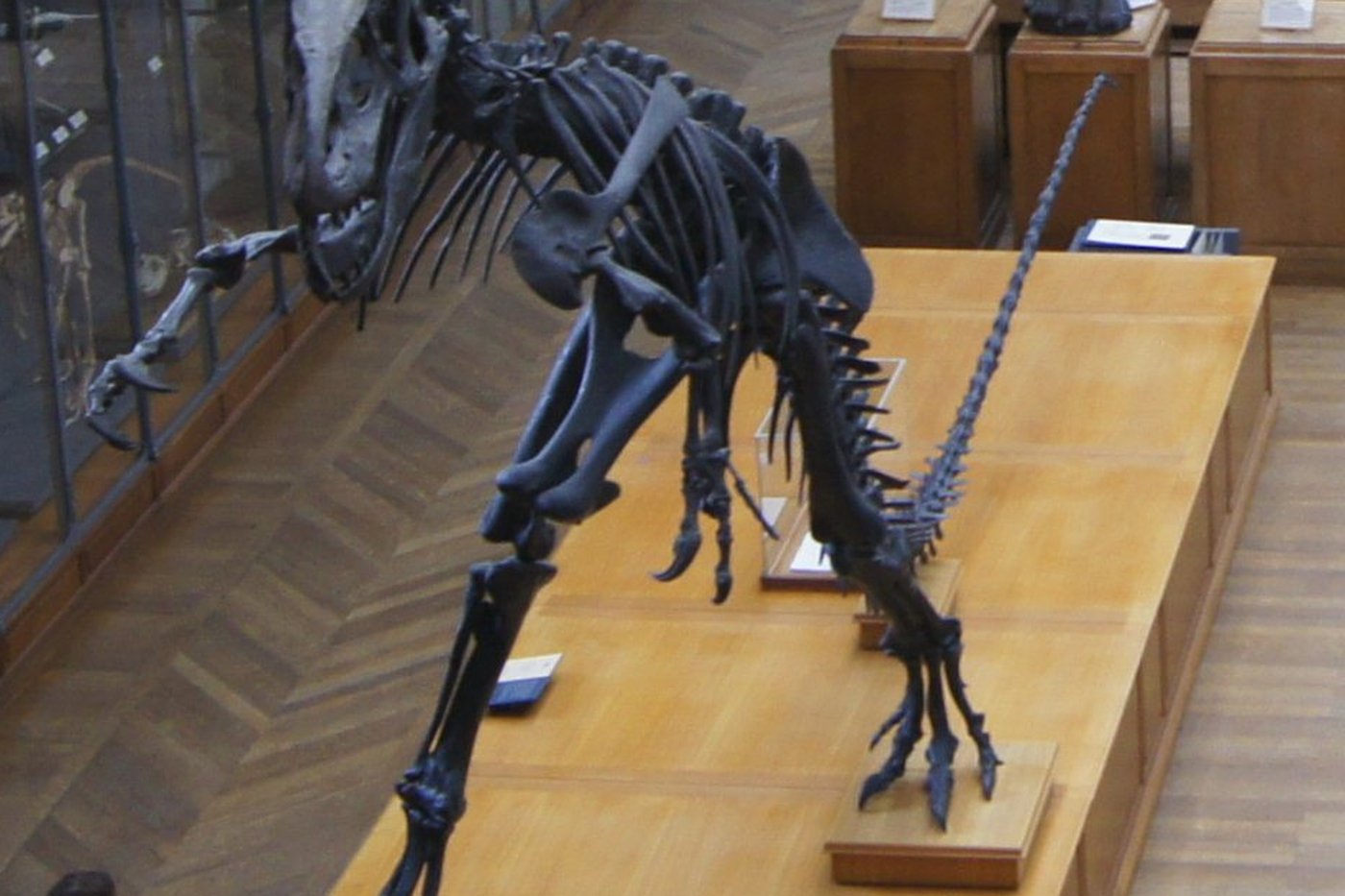
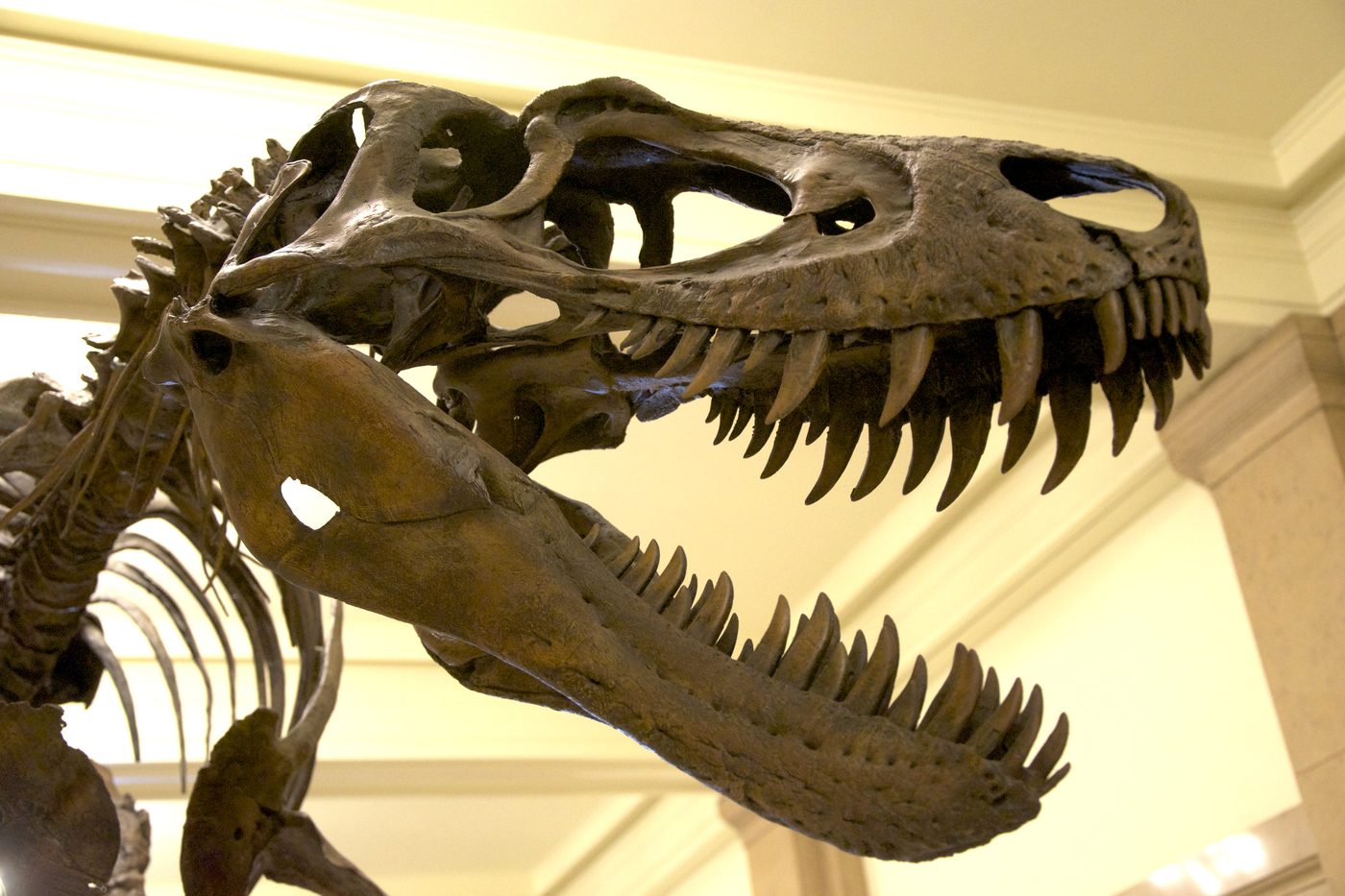
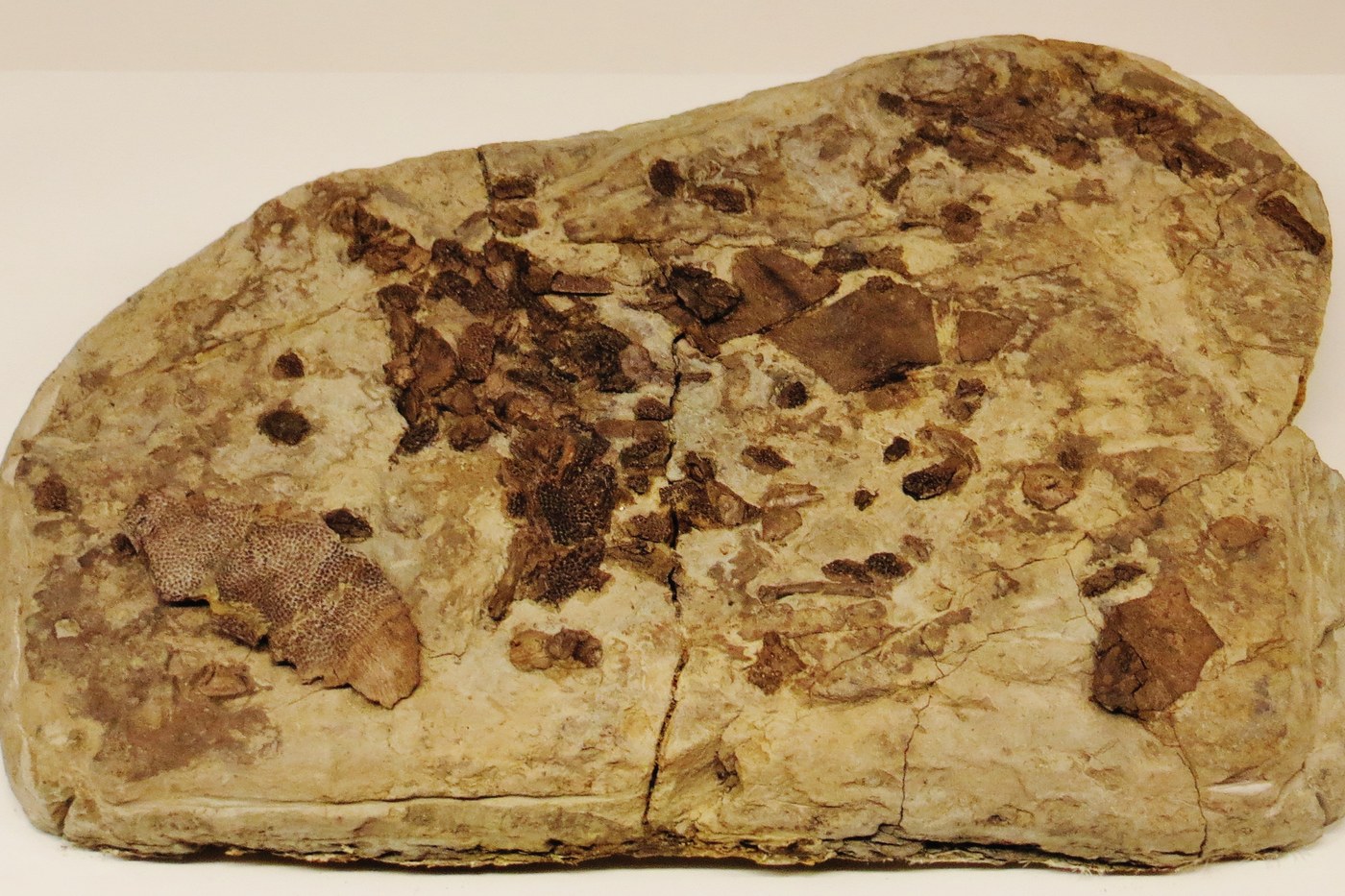
France's culture and research ministries said the National Museum of Natural History will keep the 167-million-year-old Normandy theropod in public collections. The planned Nov. 18 sale was withdrawn after a deal with the owner's heirs.
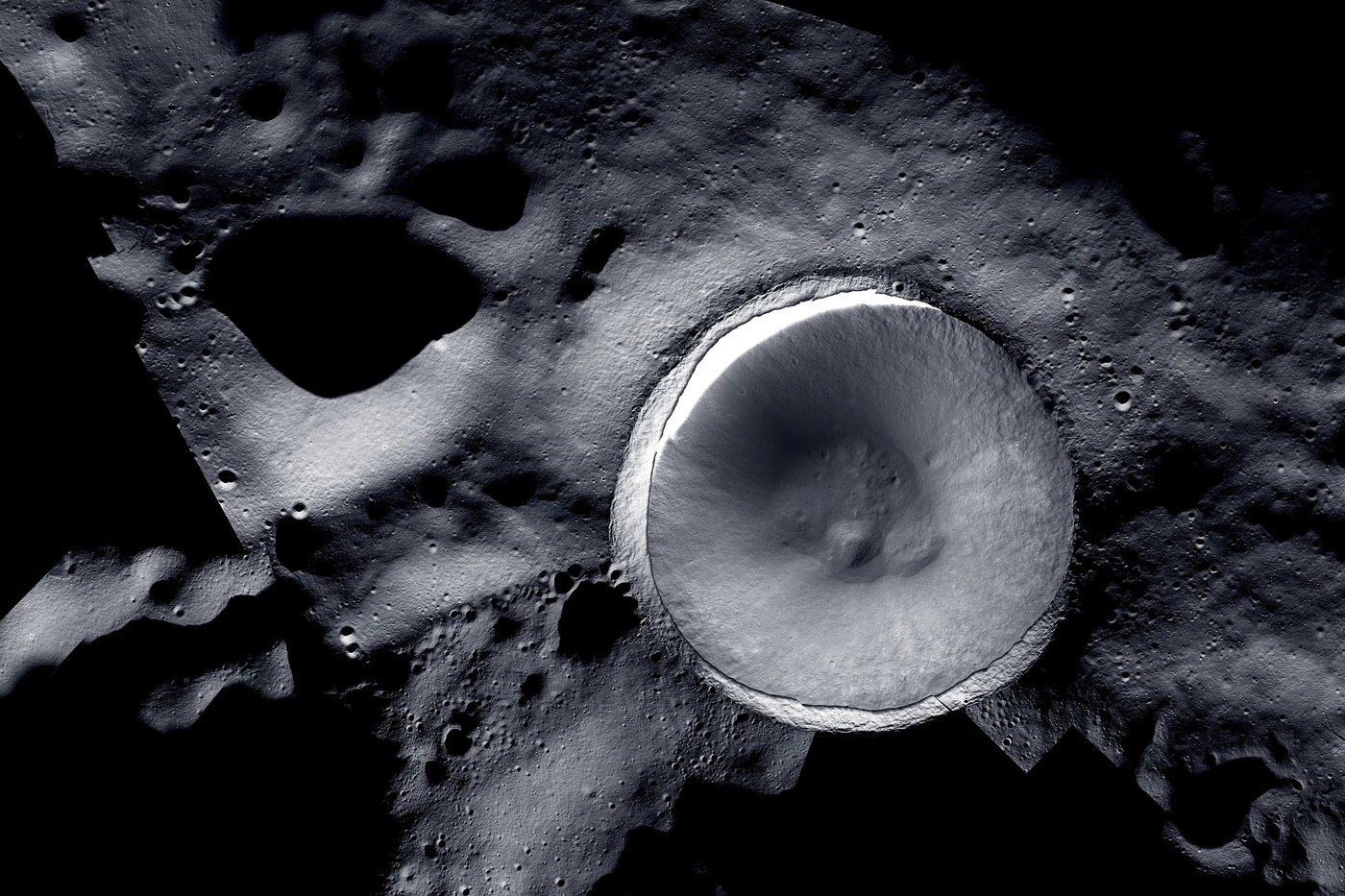
SpaceX, Blue Origin, Firefly and five others can compete for lunar delivery missions under CLPS 2. NASA also plans to launch PROMISE, a rover built from Mars rover spares, to the lunar south pole in late 2028.
The Space Force predicts re-entry around 3:30 a.m. EST Nov. 4, give or take 11 hours. NASA says most of the 3,200-pound spacecraft should burn up and puts the risk of harm to anyone at about 1 in 2,100.
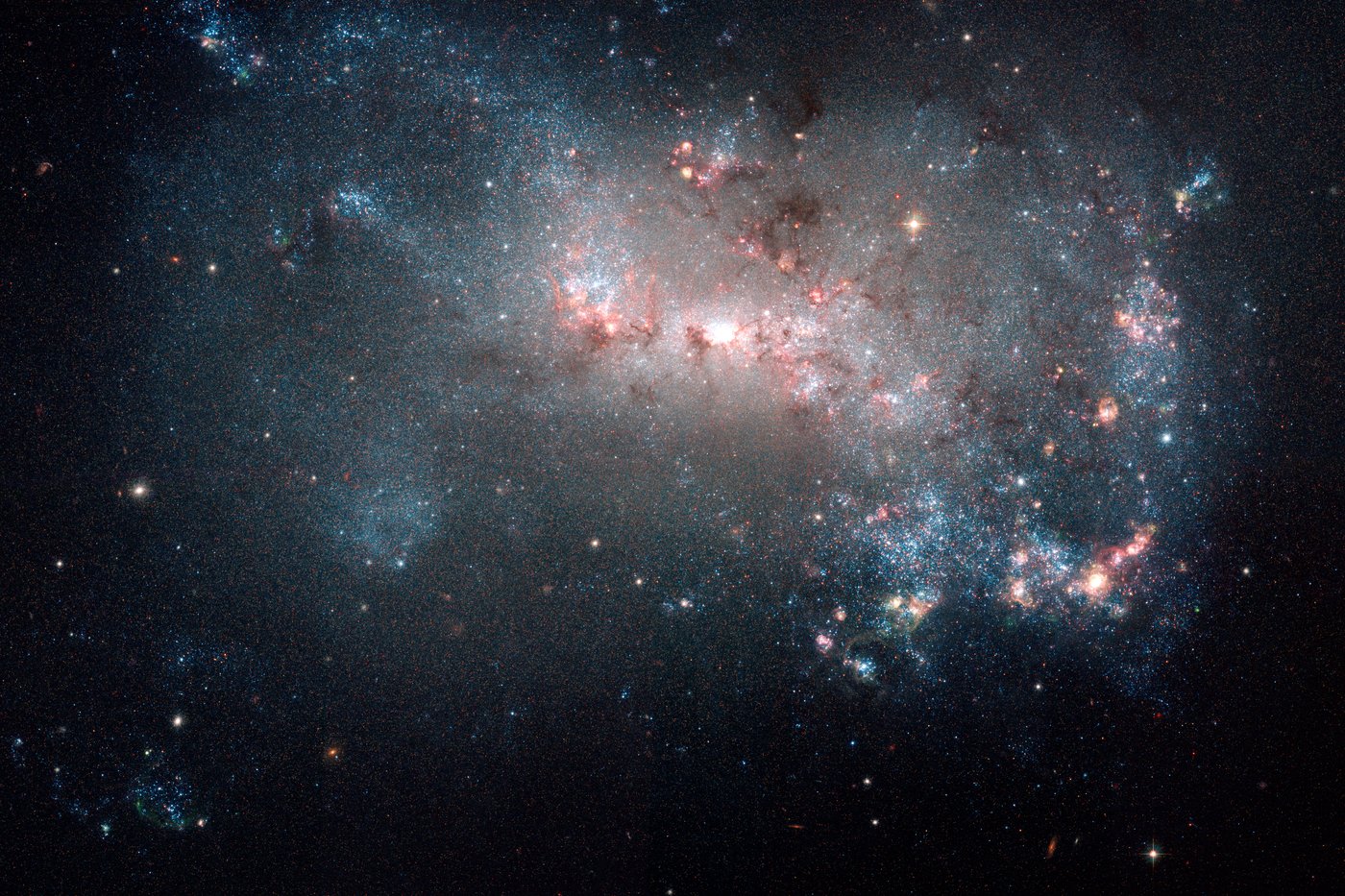
Researchers say winds driven by massive stars and supernovae appear to push oxygen out more effectively than computer models predict.
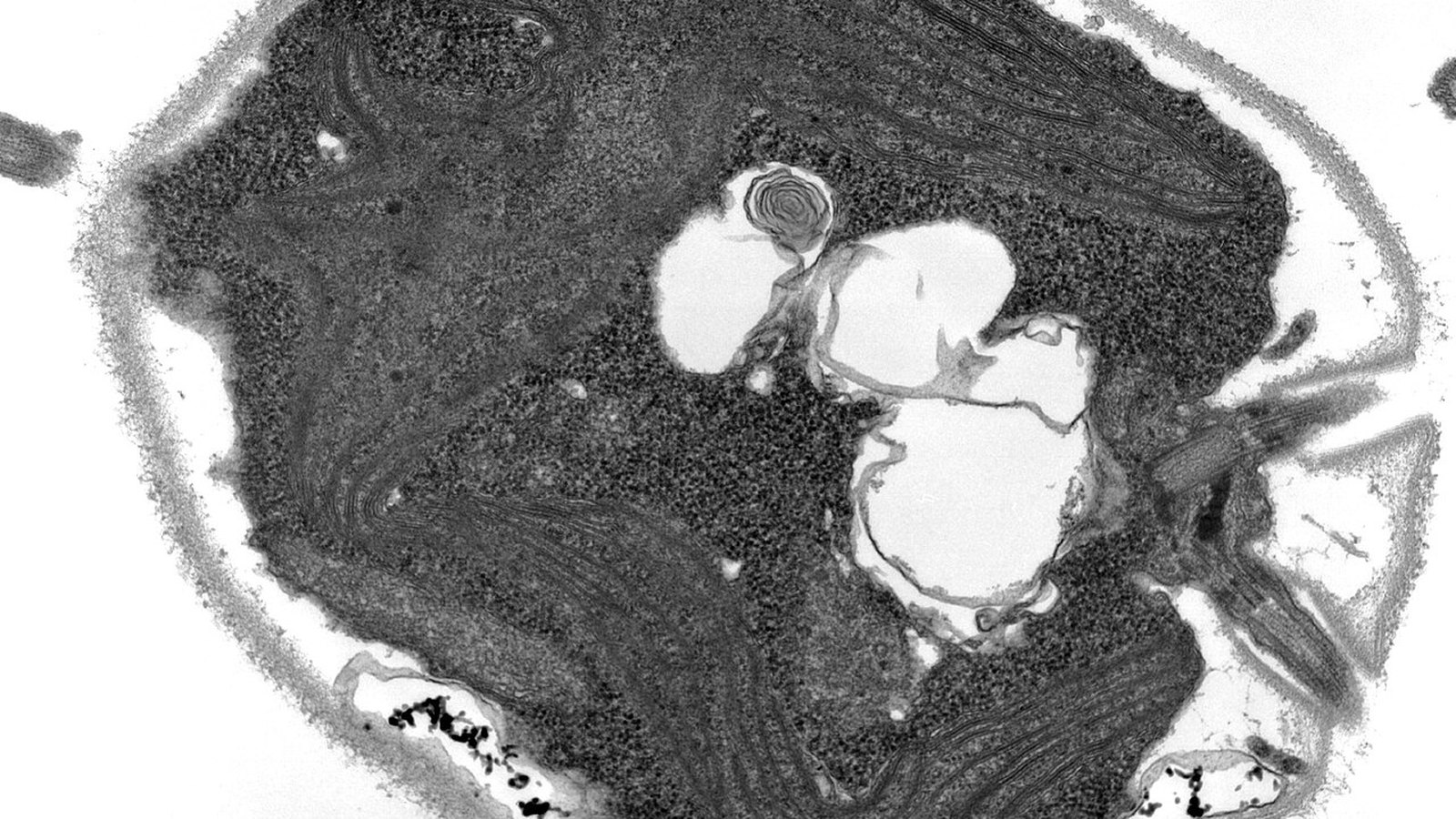
A team led by Curtin University says it found cell-like structures and traces of heme in the leg bones of Aratasaurus from Brazil. A leading researcher in the field is not convinced they are red blood cells.
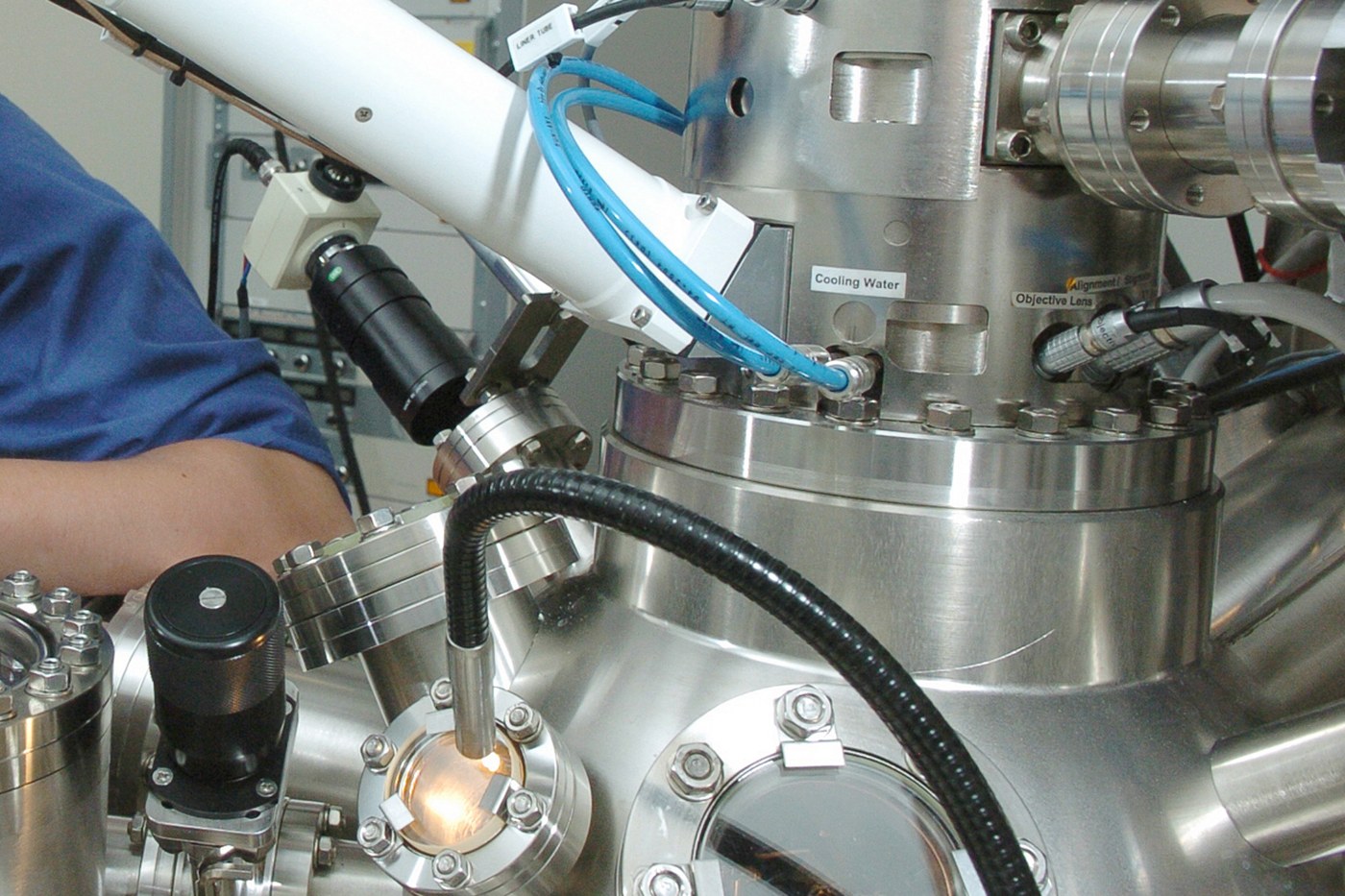
Using a modified scanning tunnelling microscope, the team flipped the nuclear spin of one titanium atom even when it was only weakly tied to the atom's electron. The researchers say they don't yet know why.
Two of the scientists who proposed the hypothesis, together with MIT’s Ryan Williams, have been asked to help organize an open examination of OpenAI’s claim and say their role is not a certification.
Bidding lasted about 12 minutes among six parties and the buyer has not been named. Paleontologists quoted by the BBC and CNN disagree about whether specimens like this should be sold privately.
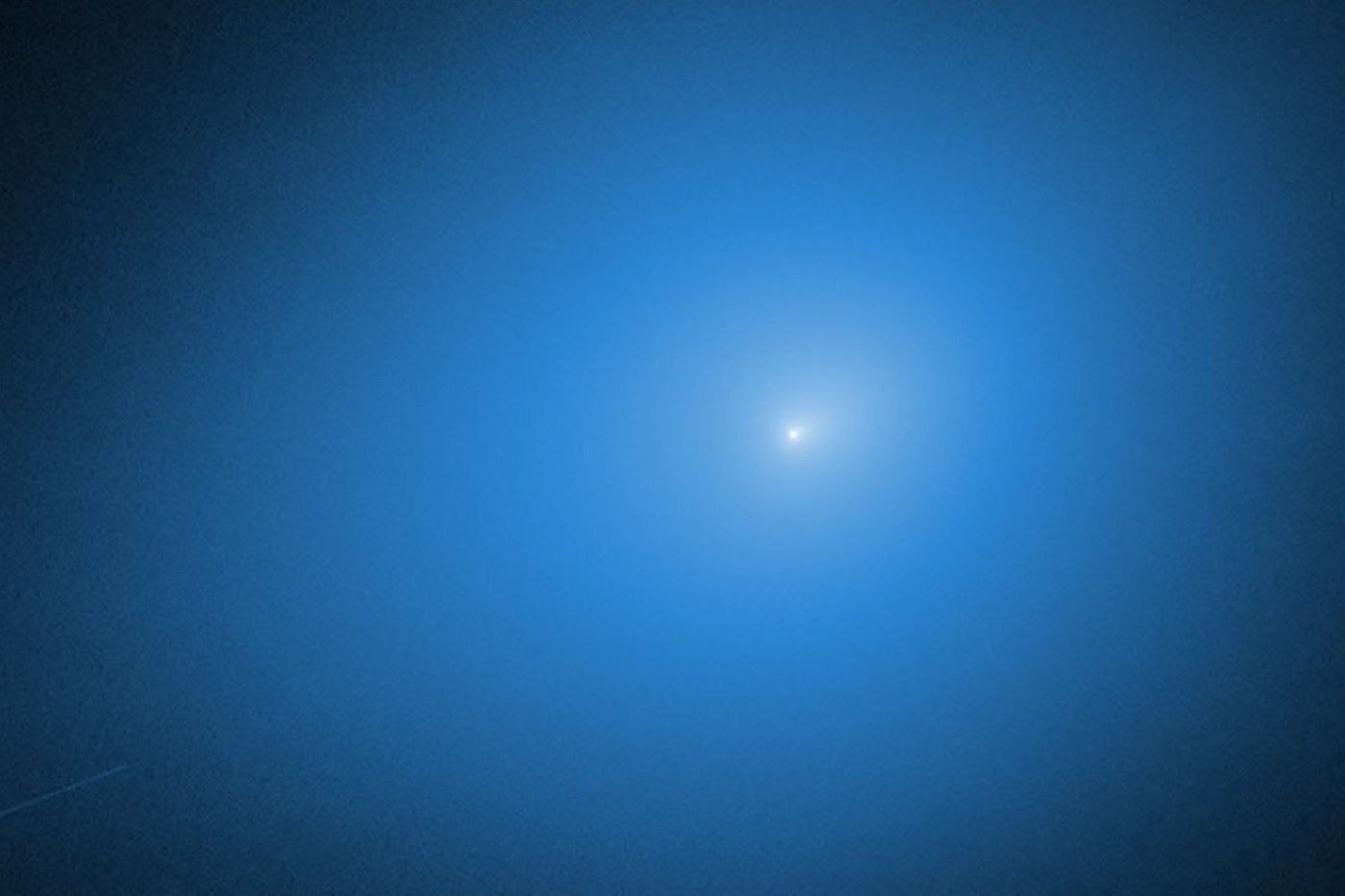
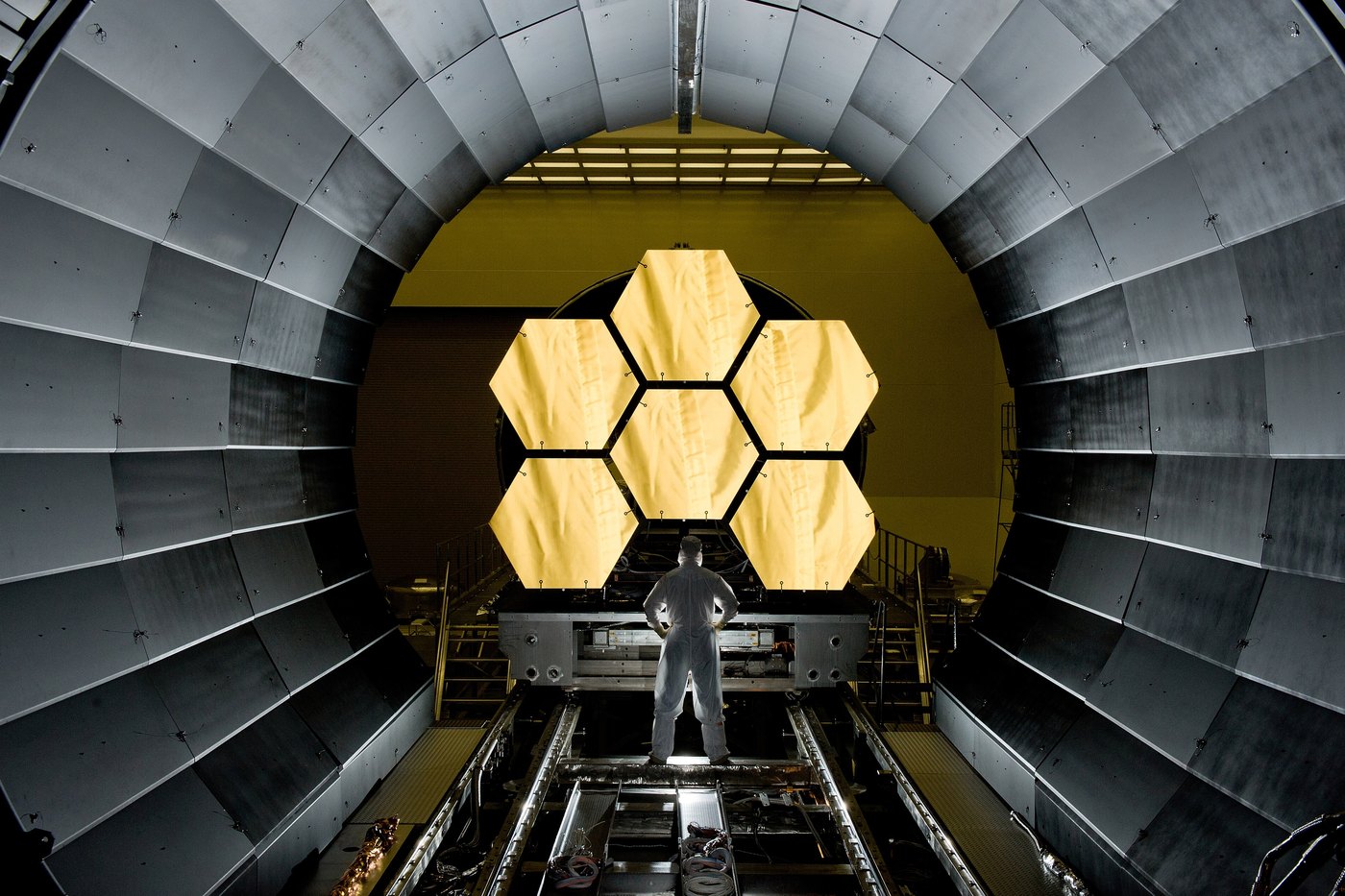
Spectra from the James Webb Space Telescope suggest the comet's ice is mixed with dust in micron-sized grains, unlike most comets studied so far. Similar features appear in some icy bodies of the outer solar system.
The University of Bonn team says it is the first REM rebound shown in an invertebrate. The evidence is behavioral, and the researchers did not test what the sleep is for.
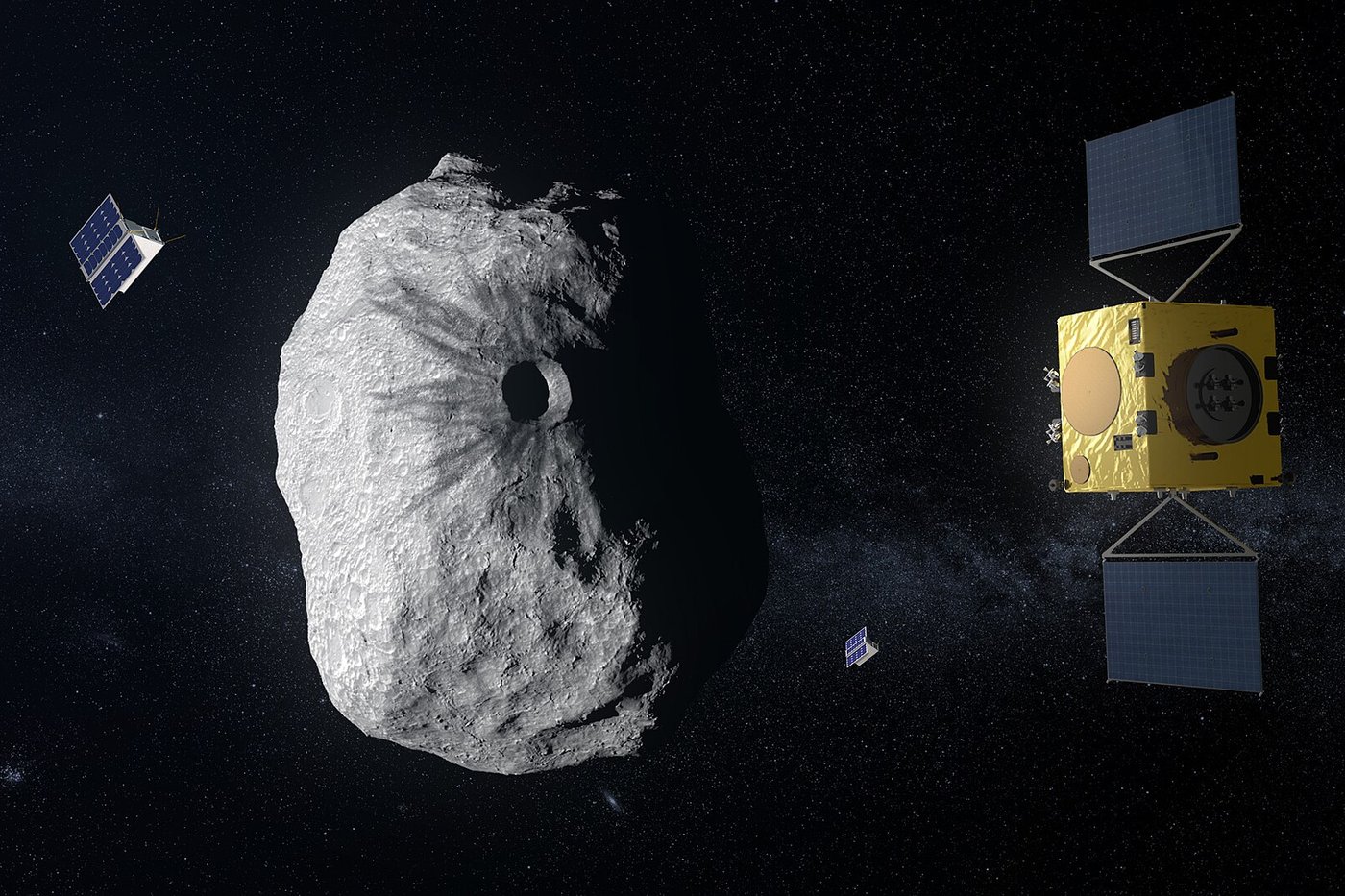
From 1,280 km away, Hera's camera separated the moonlet Dimorphos from its parent asteroid Didymos. The spacecraft is due to arrive next week to study the crater left by DART's 2022 impact.
Researchers say two nearly complete skeletons of Gerrothorax maritimus, found in ancient seabed rock in Guizhou, show amphibians once lived fully at sea. No living amphibian does.
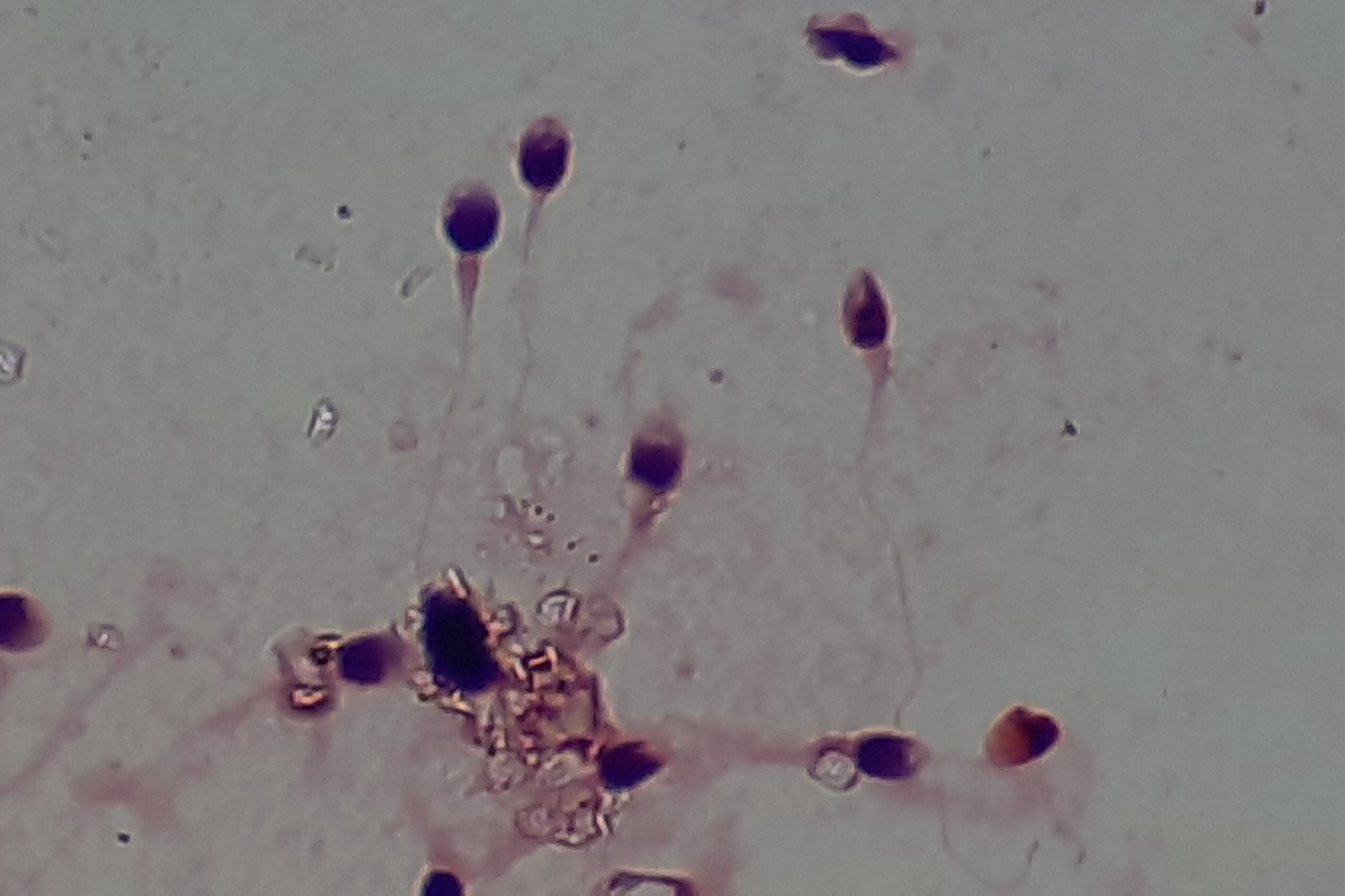
Protein fibrils best known from Alzheimer’s research carried genetic material into bovine and human sperm in lab tests. Mouse embryos made with the loaded sperm produced far more of a test protein.
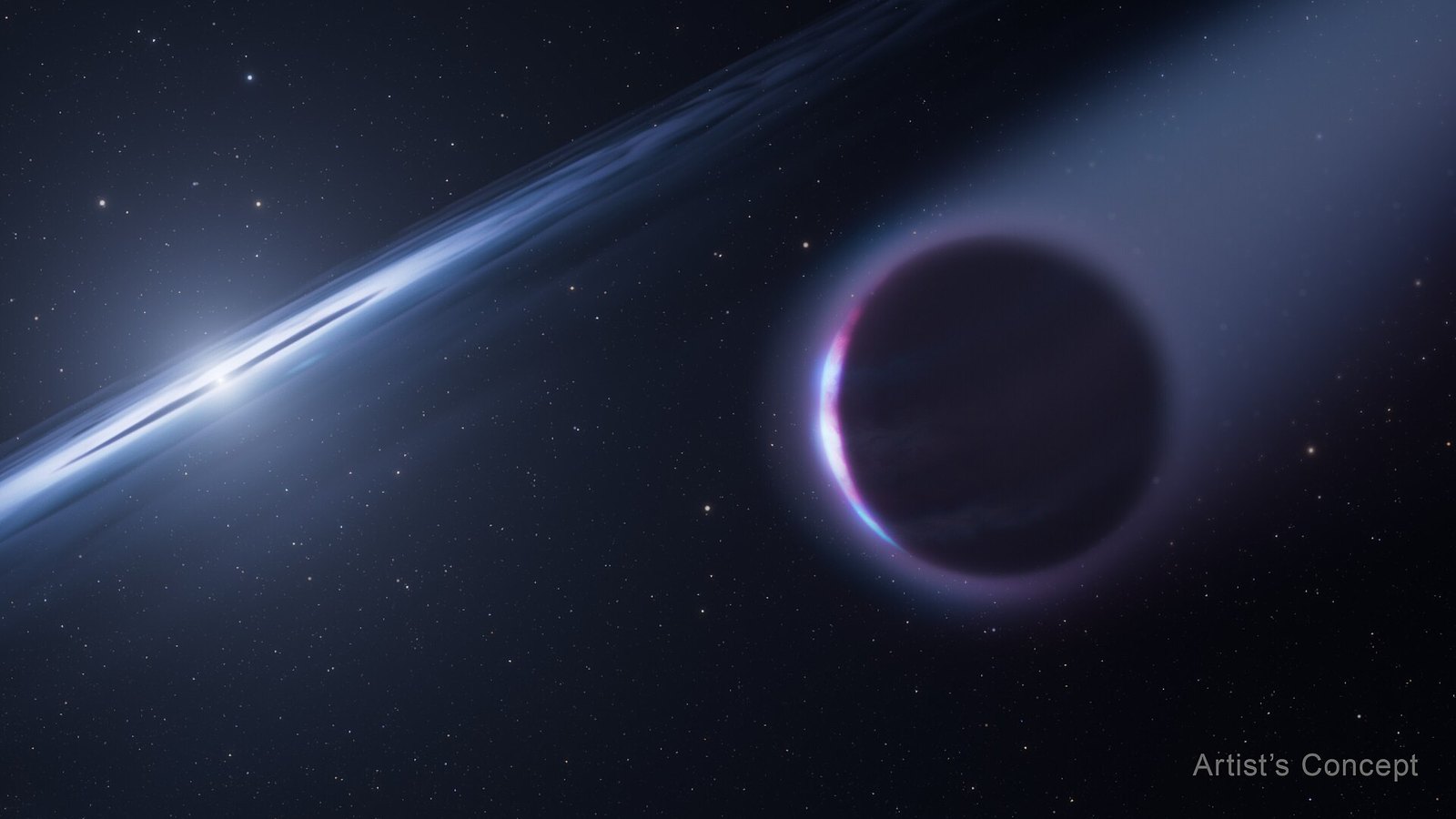
A 37-hour phase curve suggests the molten world 280 light-years away keeps an atmosphere, possibly with mineral clouds that act like sunscreen.
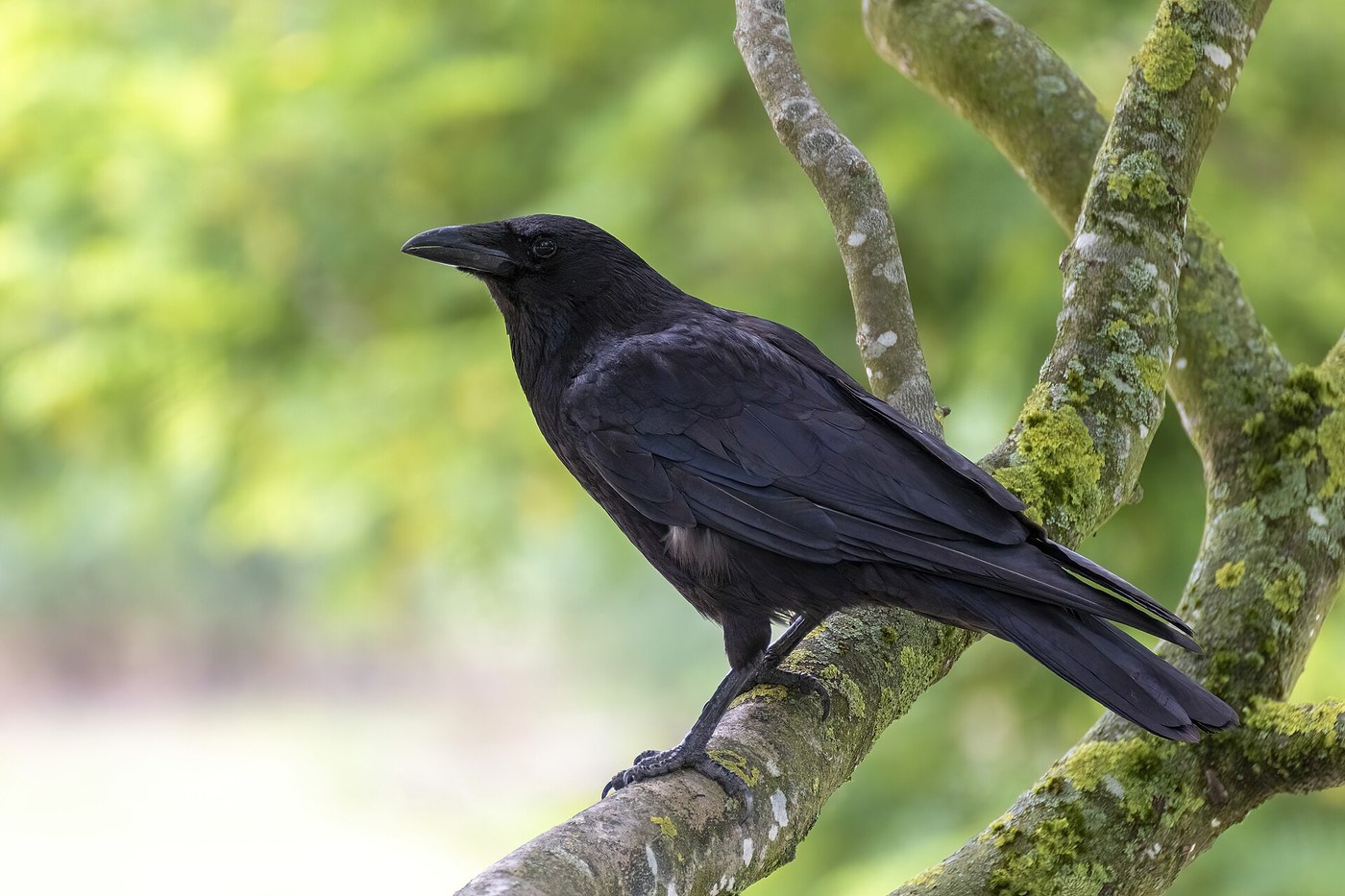
Brain recordings in the birds showed a decision signal building within 70 milliseconds, in a pattern that resembles primate models.
Four astronauts would spend about two weeks in low Earth orbit testing both commercial lunar landers. NASA says it still plans a crewed Moon landing on Artemis IV in 2028.
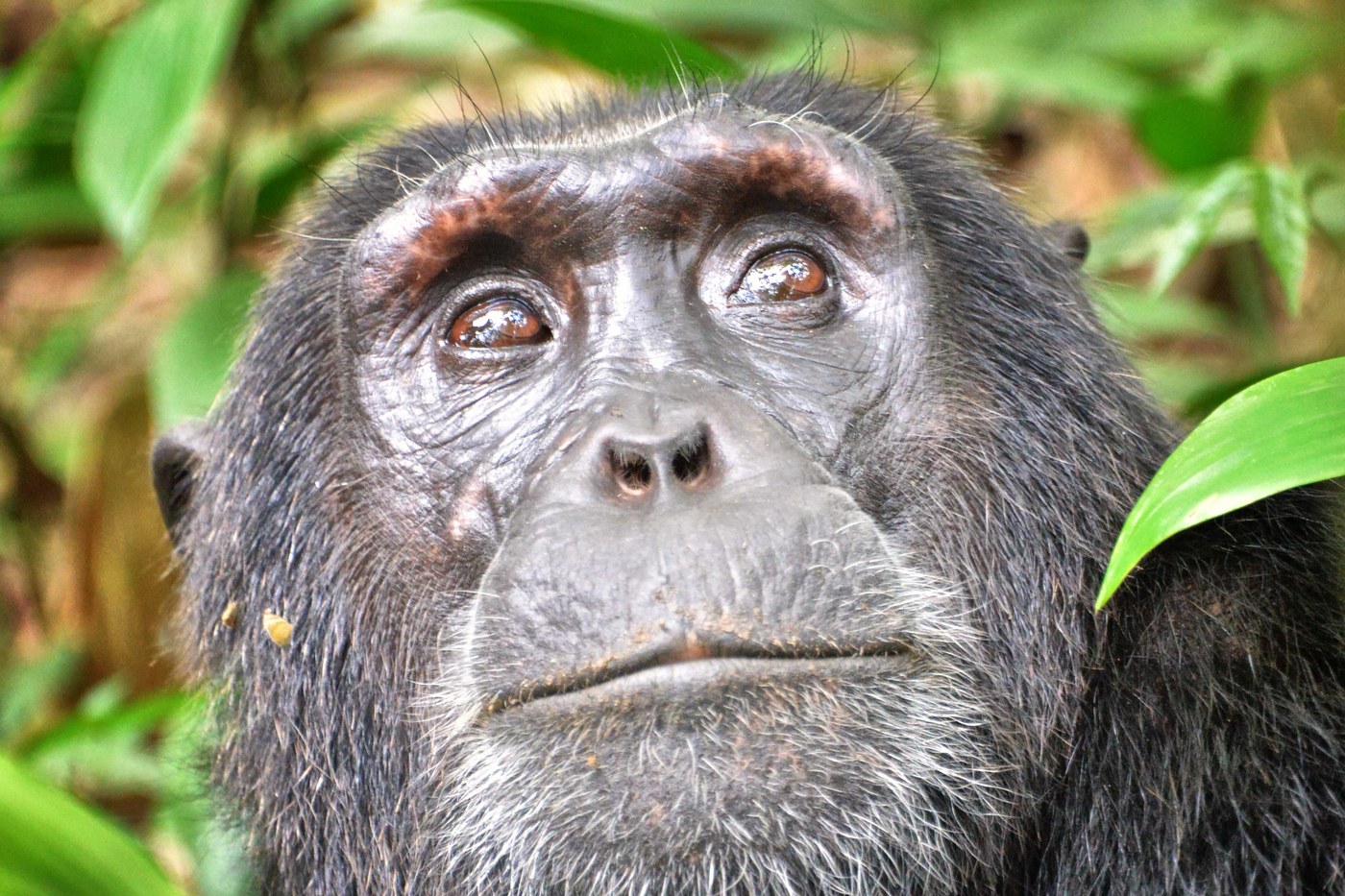
Lund University researchers report in Science Advances that remnants of the retrovirus PTERV1 silence a gene called LINC00662 in chimps. Removing the insertion with CRISPR turned the gene back on.
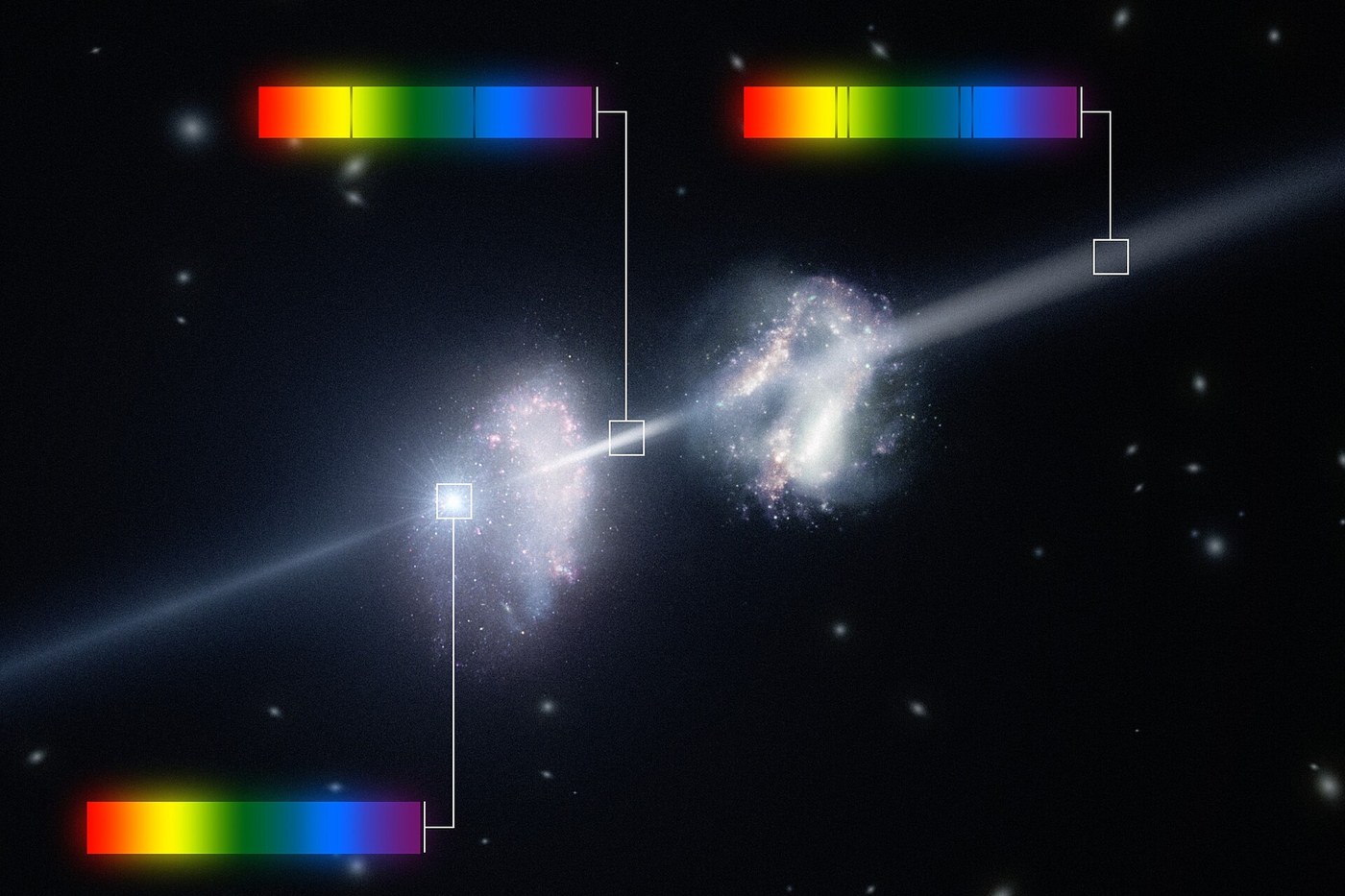
Observations of six nearby galaxies found that ionizing light escapes mostly in the first few million years of a starburst, before galactic winds develop.
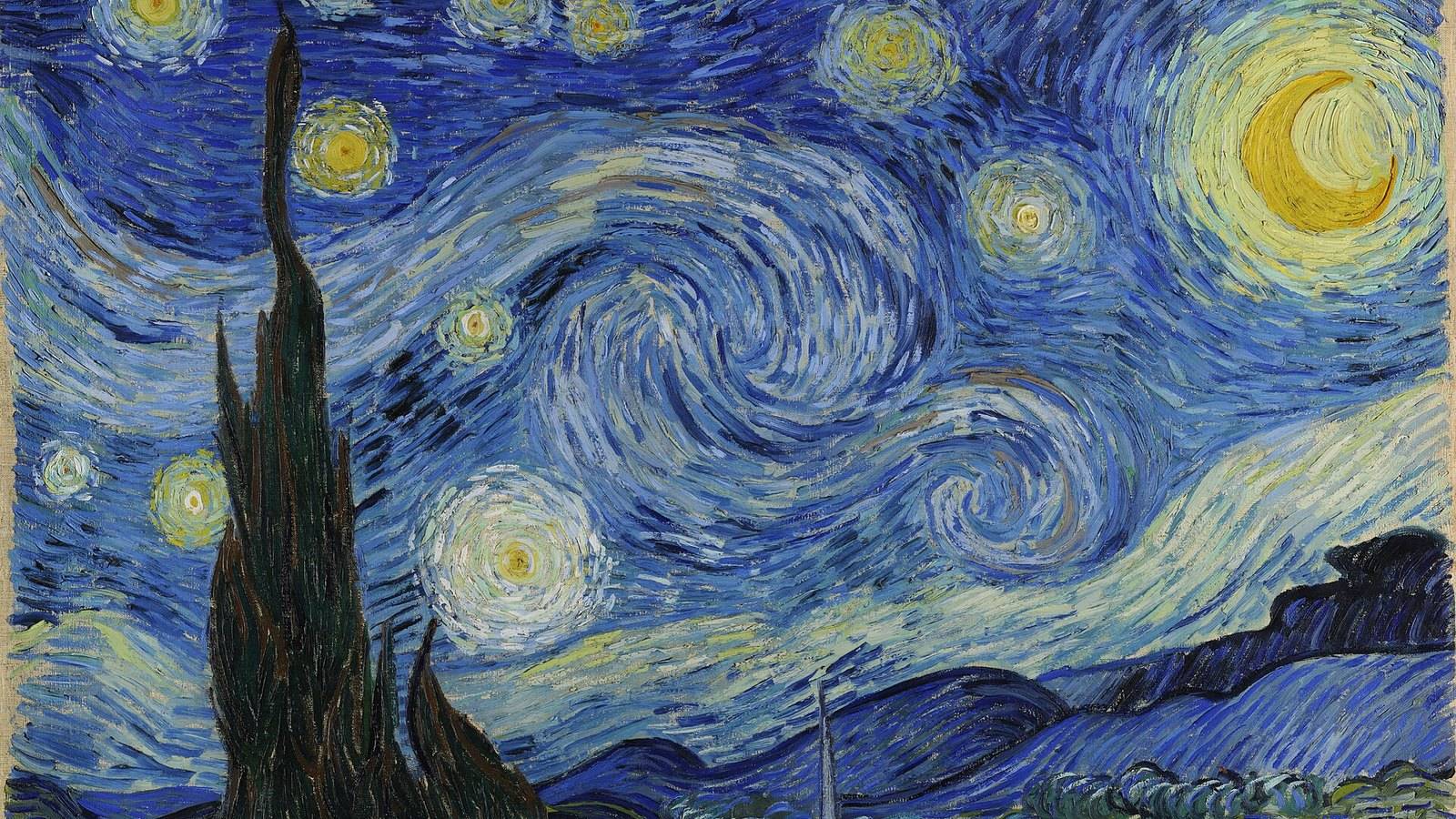
Researchers in Seoul fit the painting’s bright points to the Hyades, a waning crescent Moon and Venus over Saint-Rémy. An astronomer who has studied the work says the comparison doesn’t hold up.
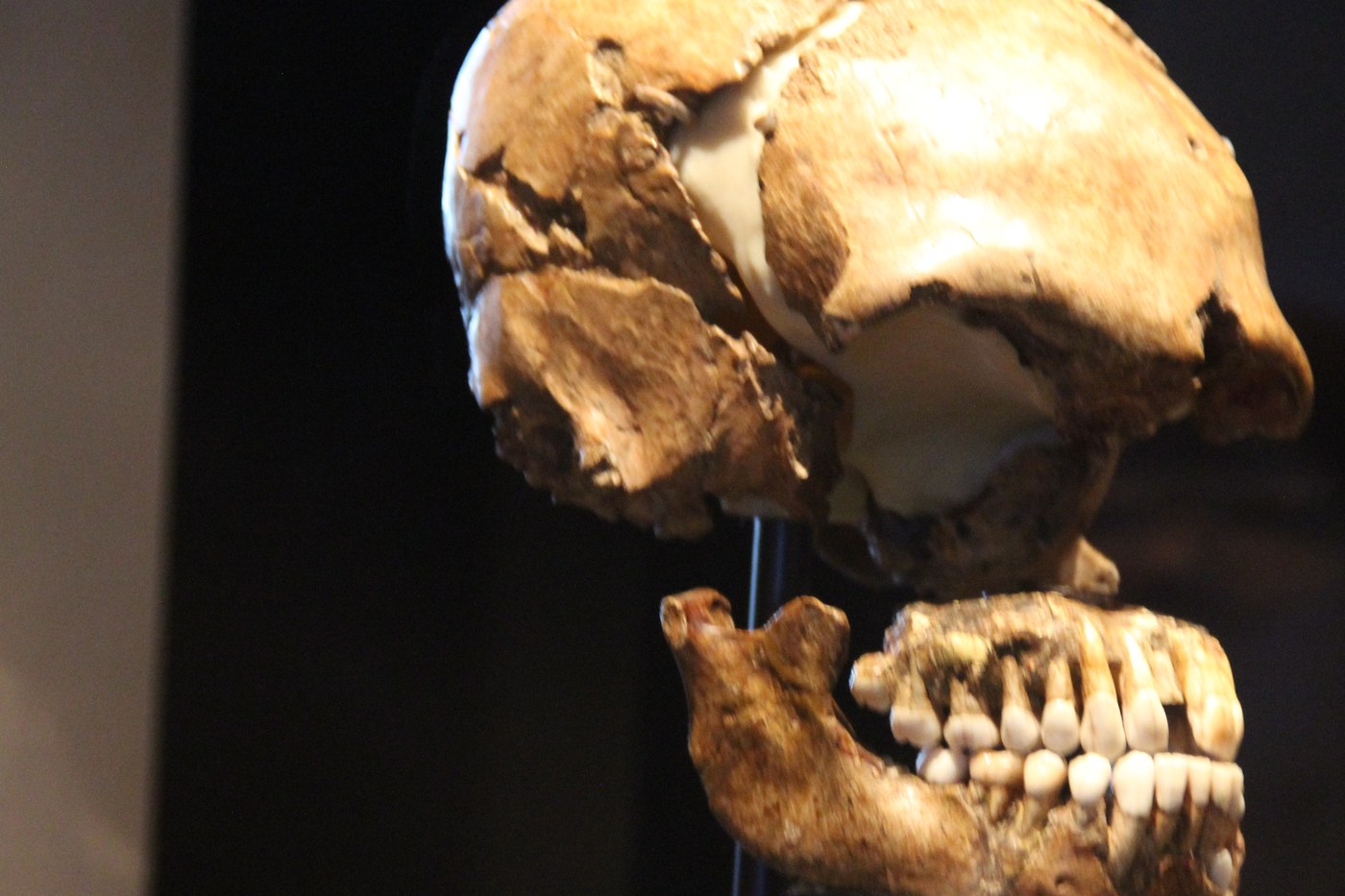
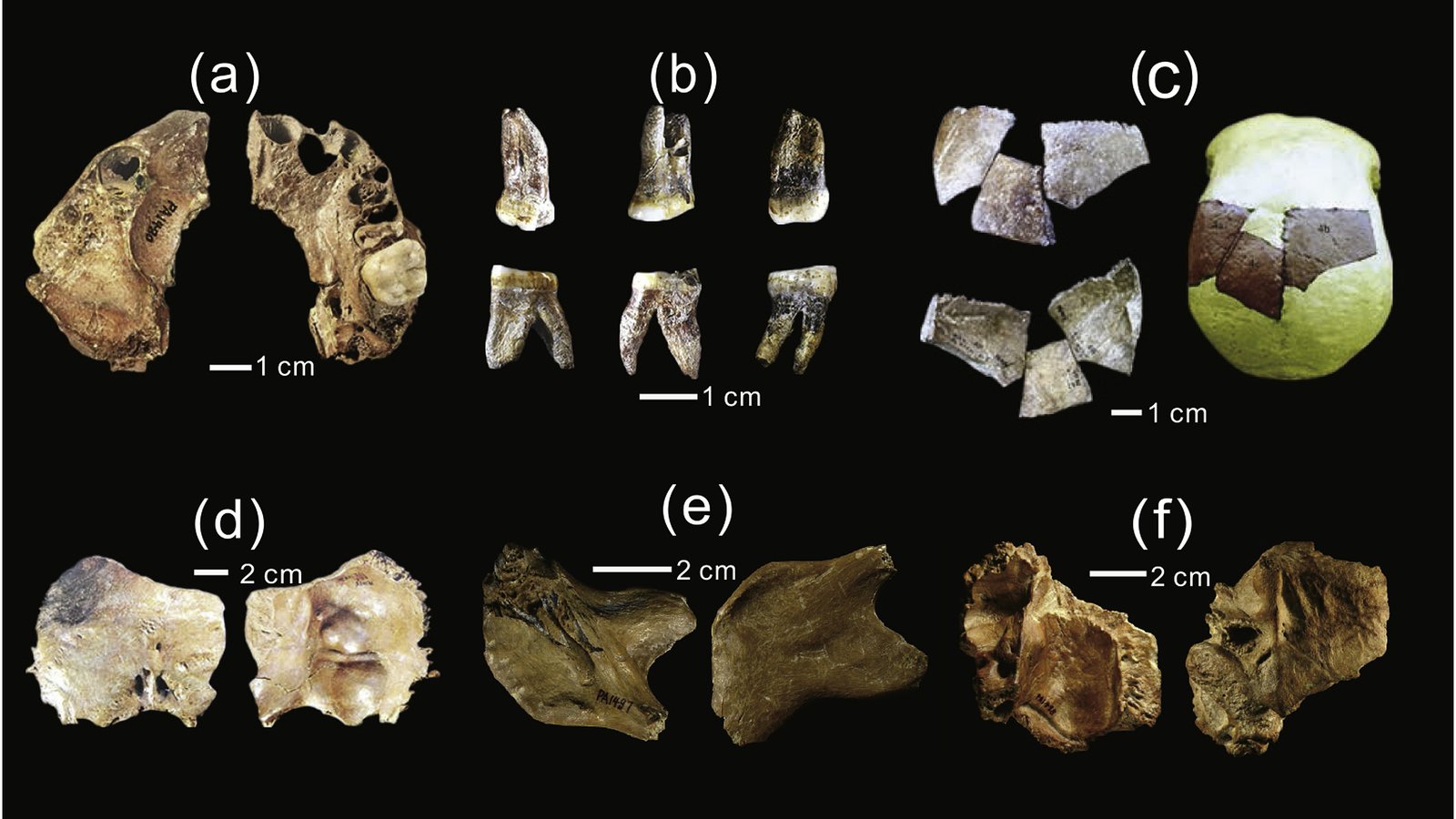
A Nature paper uses molecular evidence from teeth and bone to place the roughly 140,000- to 200,000-year-old remains in the Denisovan lineage and outlines shared skull traits.
Stanford-led researchers report in Nature that a largely ‘silent’ front region of the insula strongly influences the others, a possible route for thinking to shape how the body feels.
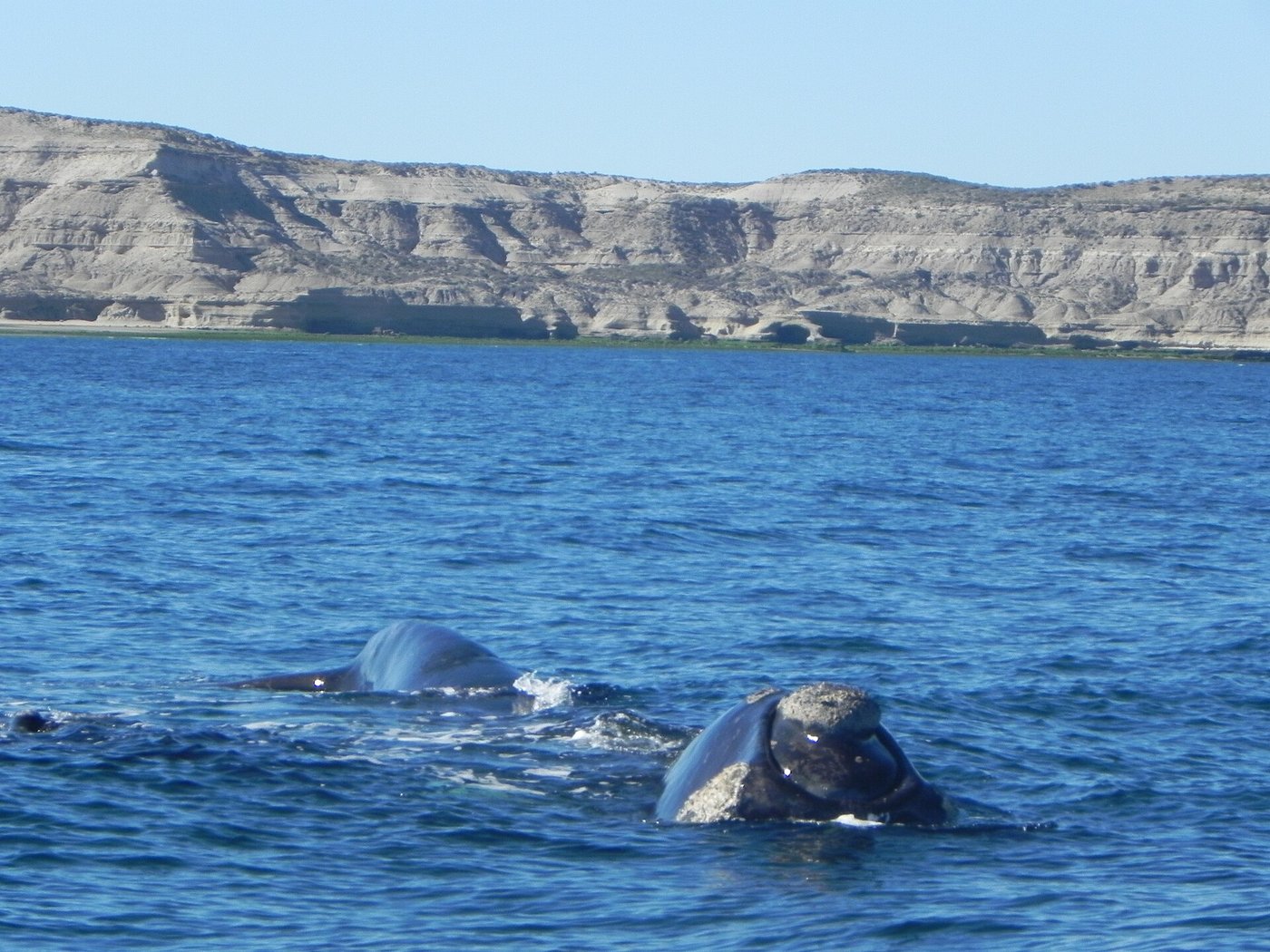
Unofficial counts put deaths above 300 this season. Calf deaths have been linked to a bacterium; the cause in adults is still under investigation.
A Northwestern University team reports a “one-positron quantum cyclotron” in Physical Review Letters. The goal is to compare the magnetic moments of the positron and the electron with unprecedented precision.
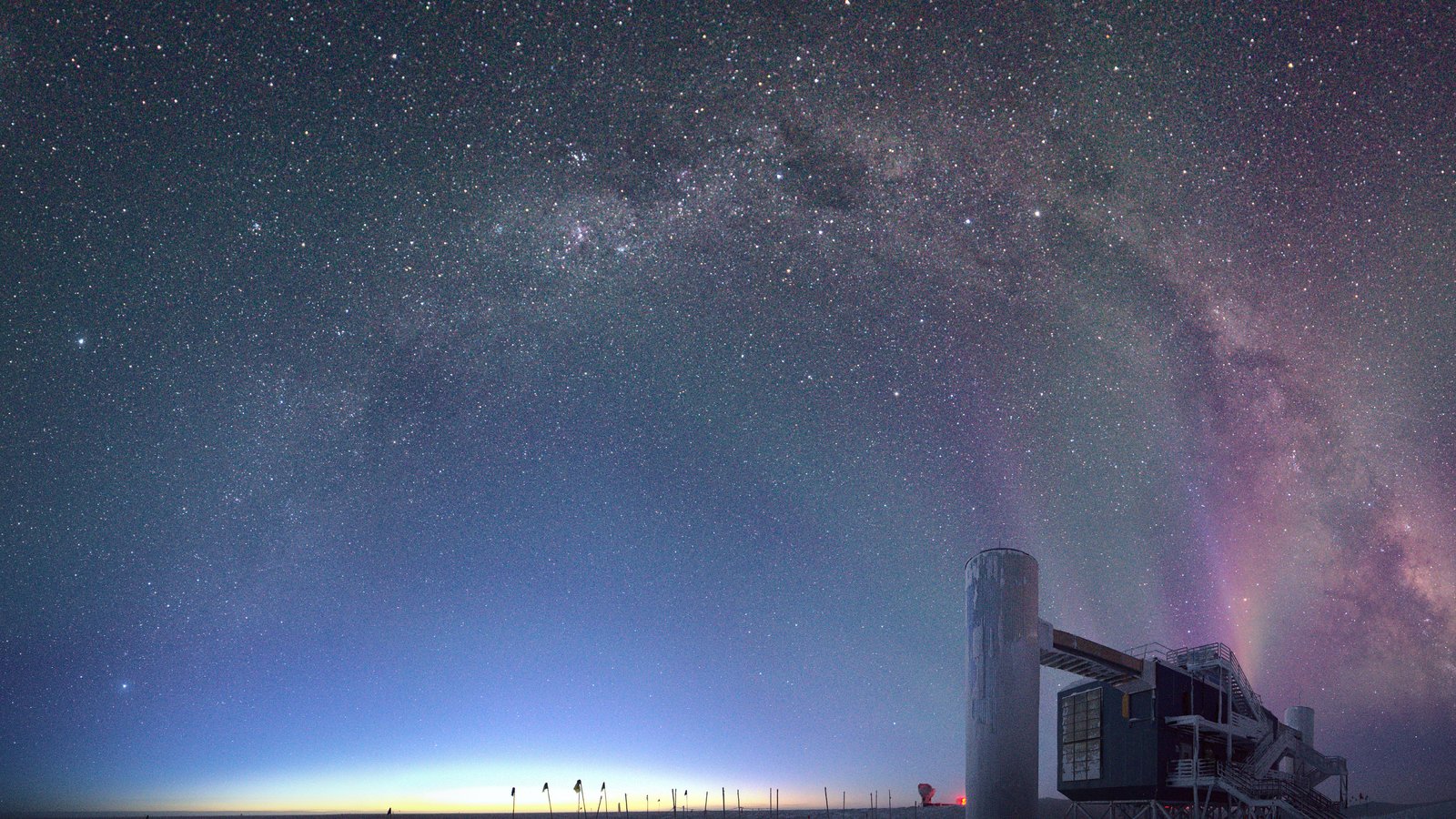
The Belgian-born University of Wisconsin–Madison physicist proposed using Antarctic ice to catch high-energy neutrinos in 1988. The detector, finished in 2011, found neutrinos from far outside the solar system.
Researchers published lifespan pain reference curves from 118 countries. Gaps were widest for headache, facial and abdominal pain. The steepest rise in prevalence came before age 55. Data are self-reported.
A Warwick-led team says unusual niobium-rich material falling onto white dwarf HS 0209+0832 points to a gas giant that formed after the star died. The planet has not been directly seen and remains a candidate.
Roselyn Campbell re-examined 46 First Dynasty skulls and reports potentially lethal perimortem trauma on 18. She cautions that the small, incomplete sample may not represent all retainers. The paper was published Oct. 5 in Frontiers in Environmental Archaeology.
The three scientists were honored for discovering a light-sensitive algal protein and turning it into a switch that lets researchers turn individual nerve cells on and off with light.
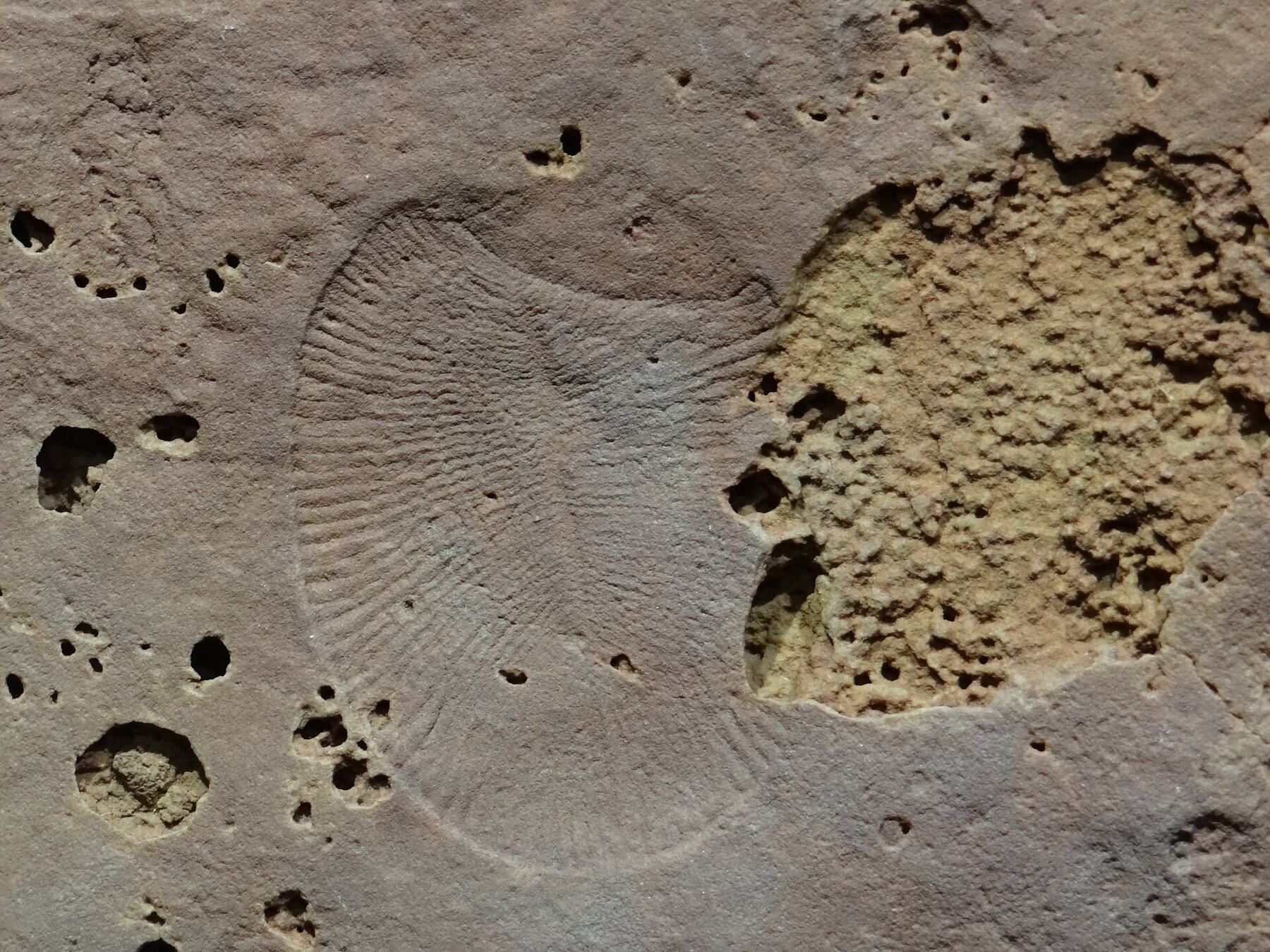
A paper published Friday in Science Advances argues that molecular-clock estimates point to an animal origin 100 to 200 million years before the oldest animal body fossils, which date to about 574 million years ago. The authors say it does not prove animals existed that early.
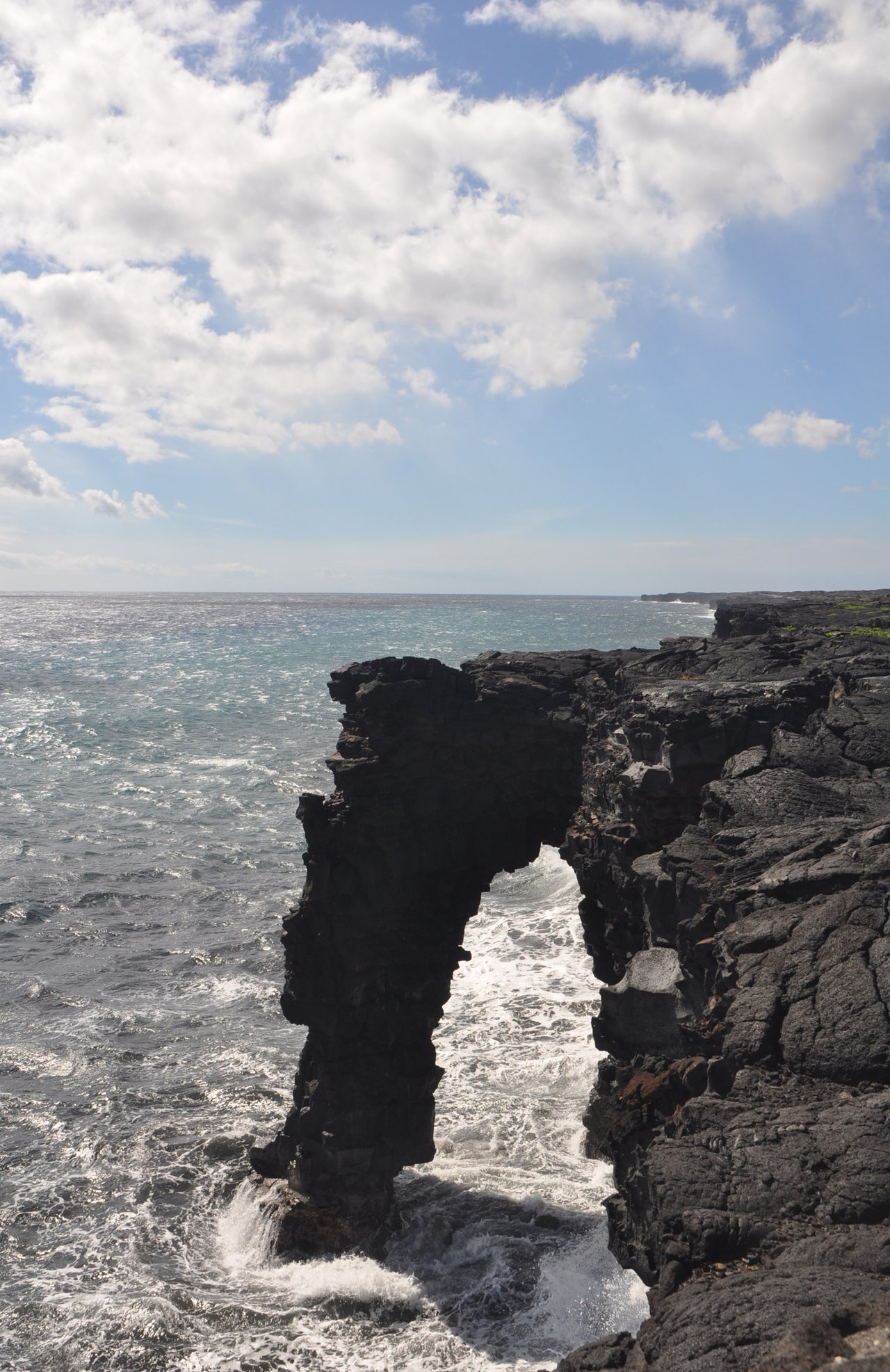
The roughly 90-foot coastal landmark was standing Sept. 23 and gone by the night of Sept. 27, the National Park Service said Oct. 1; the exact time of the collapse is unknown. Park officials warn visitors to stay clear of unstable cliff edges.
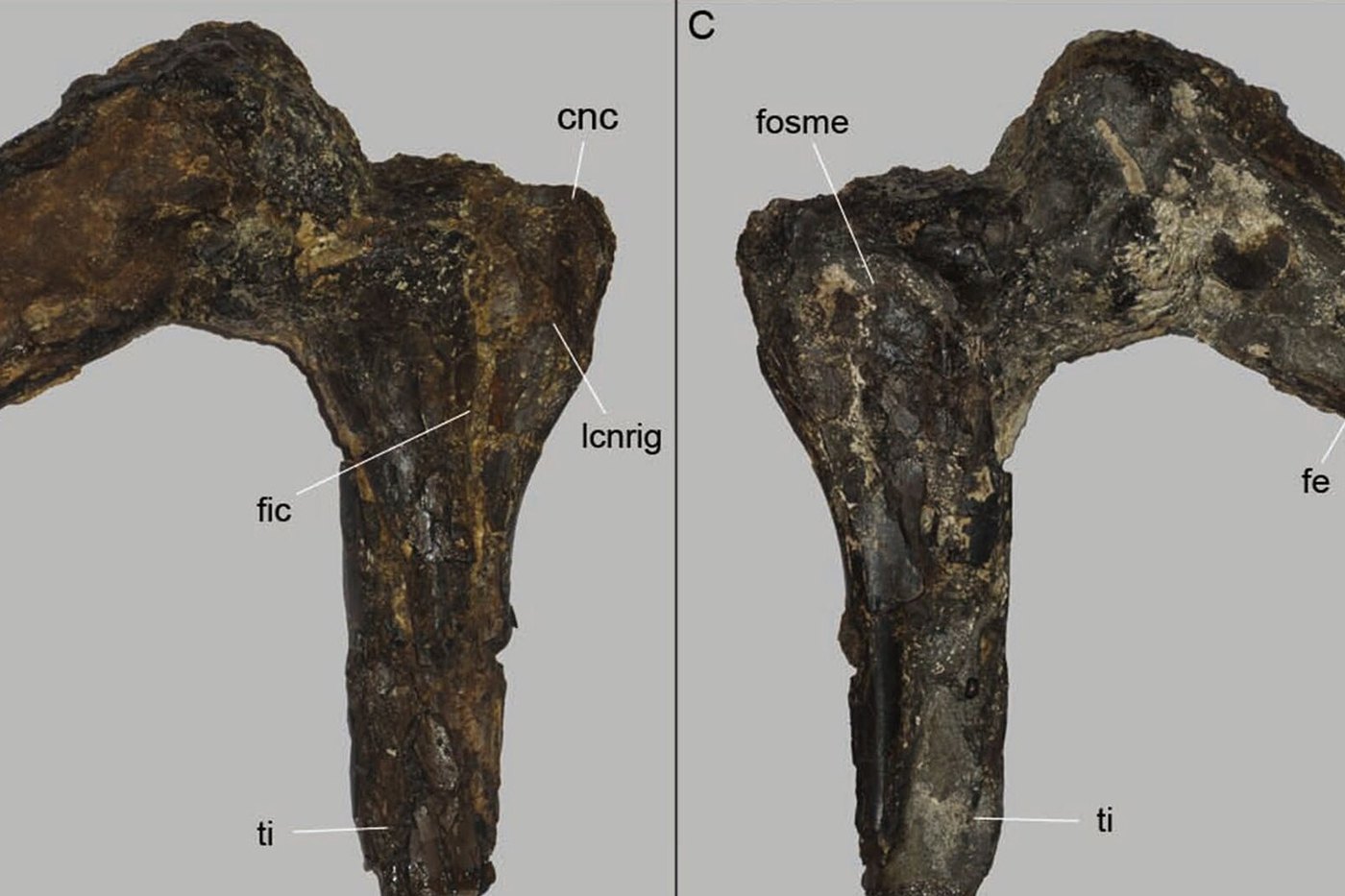
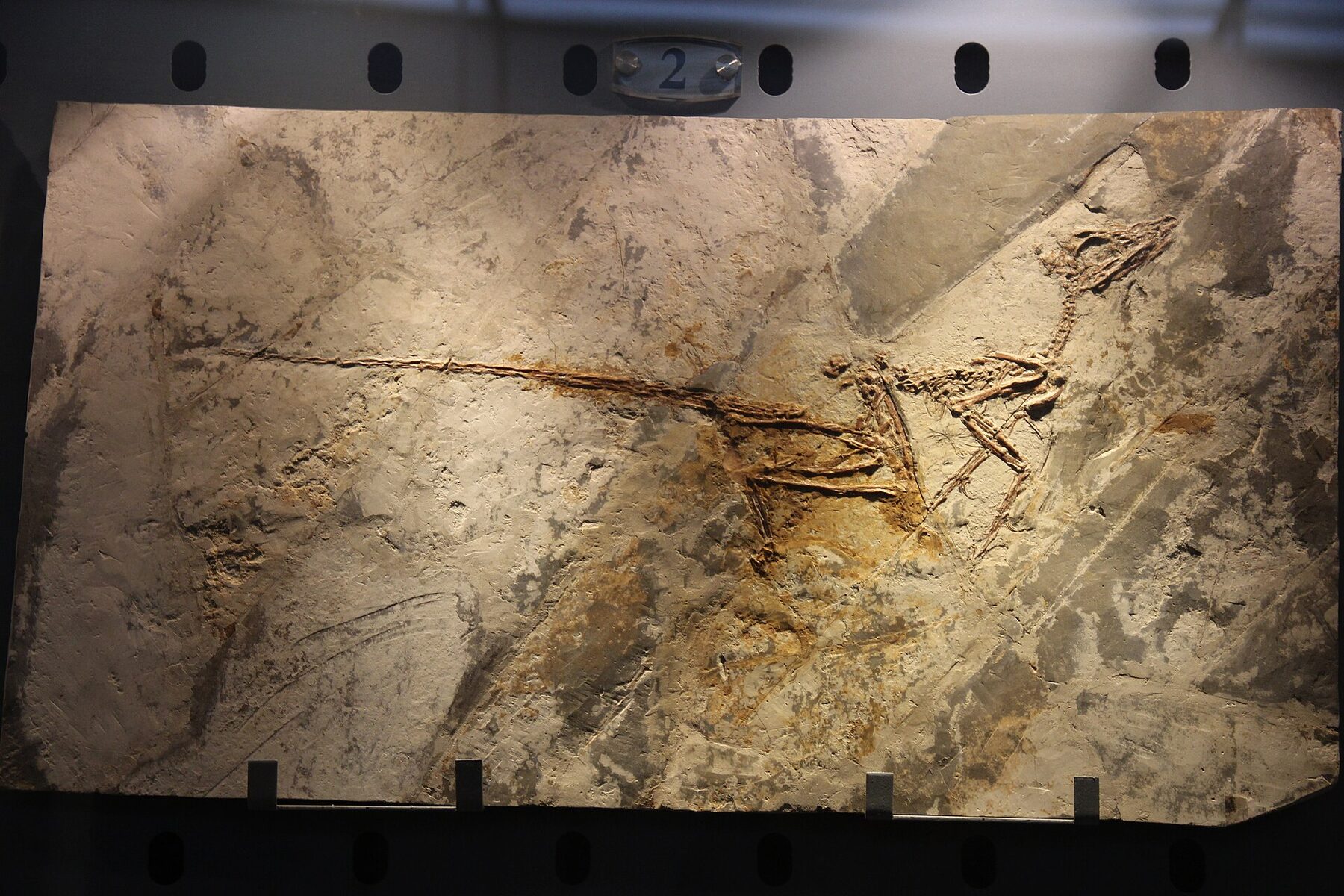
Researchers describing Norellraptor barsboldi in Nature Communications say its winged relatives acquired flight features in a different order than birds did. The specimen was found by a farmer in northeast China.
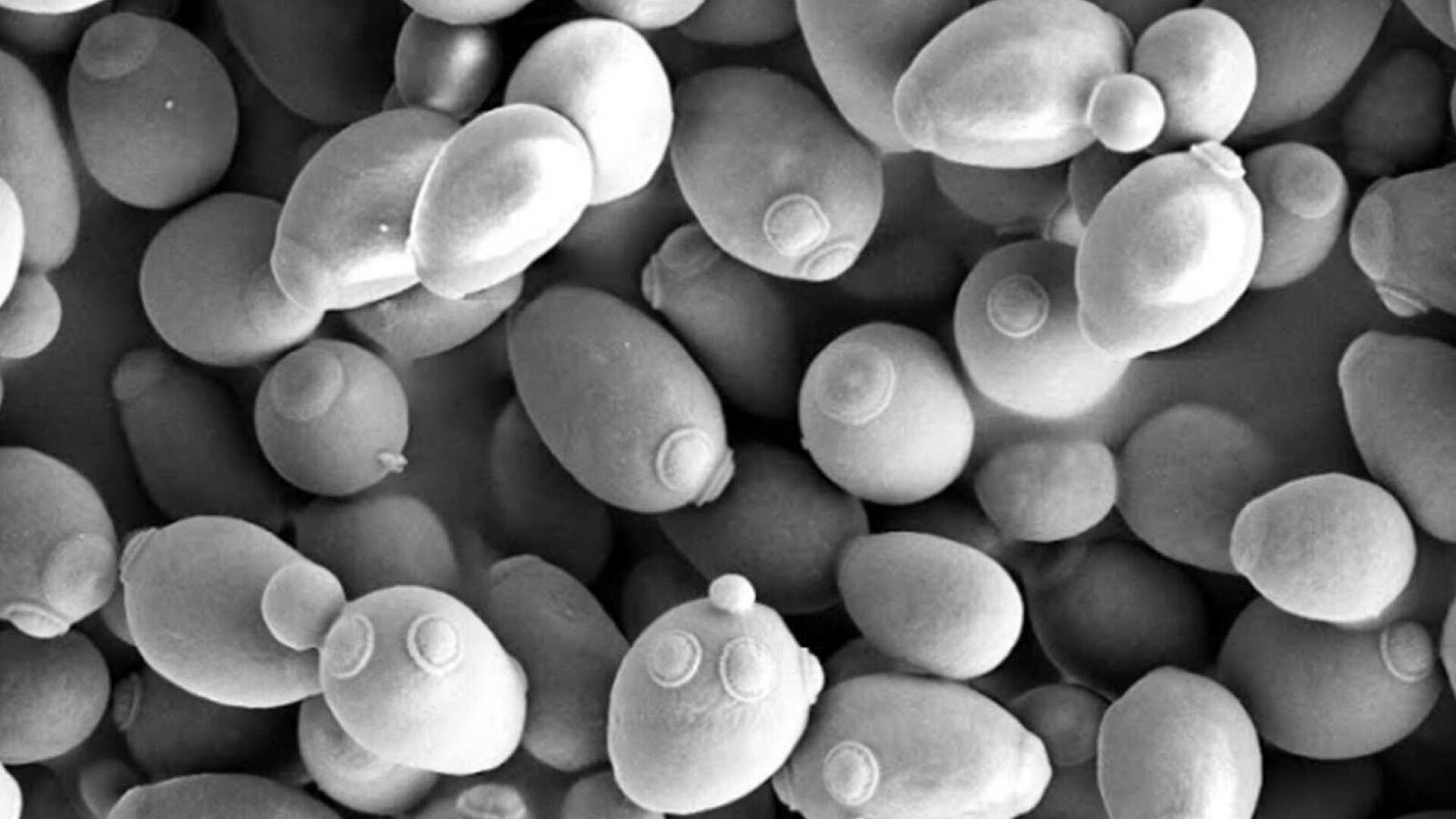
A Chalmers-led team combined large language models, biological knowledge bases and the robot scientist Eve into a closed loop that proposes, runs and evaluates experiments on brewer’s yeast. The peer-reviewed study was published online in July in the Journal of the Royal Society Interface; Chalmers announced it on Sept. 30.
The lipids carry a positive charge in acidic conditions and turn negative at the near-neutral pH of blood. The results so far are in mice and human blood cells, not patients.
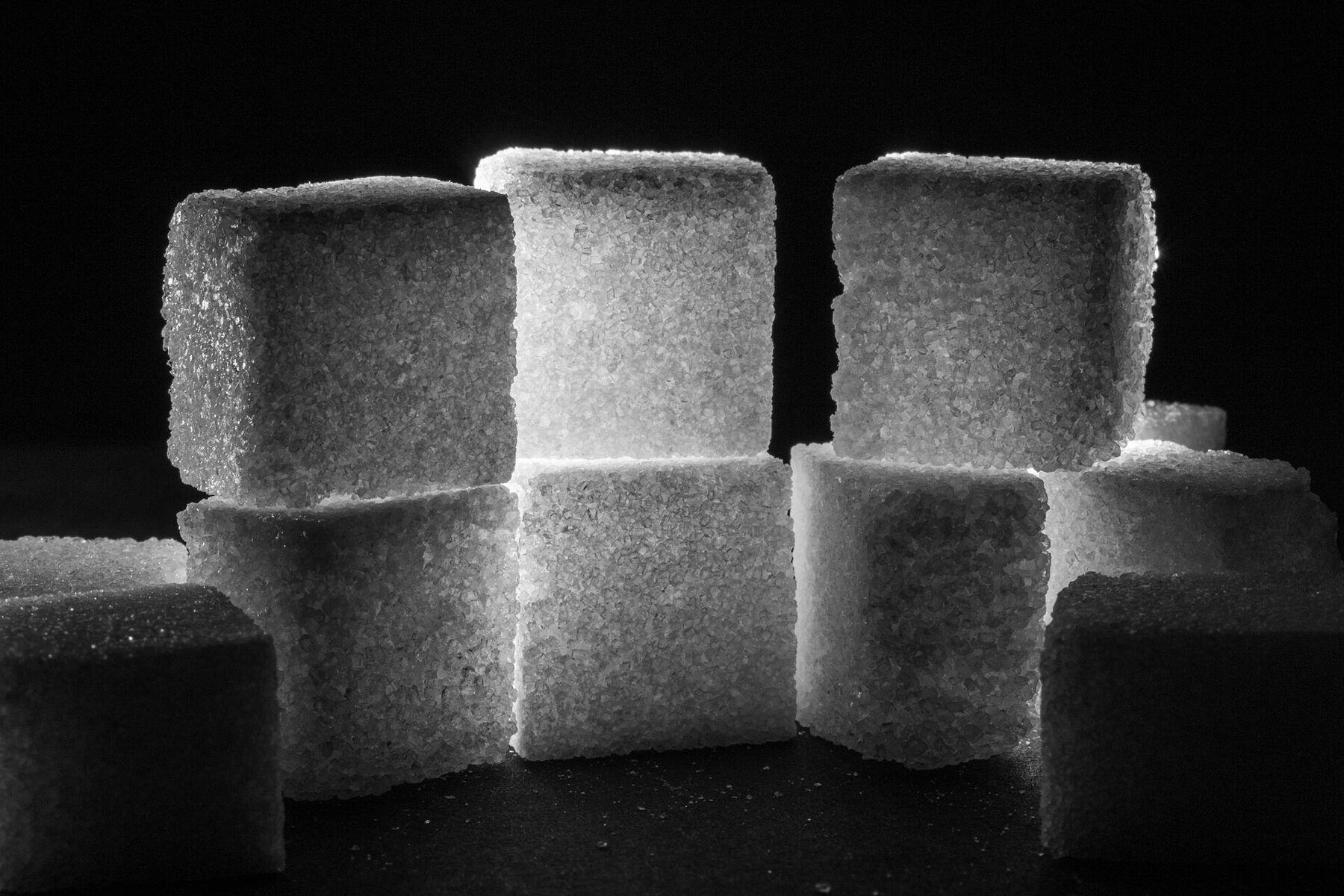
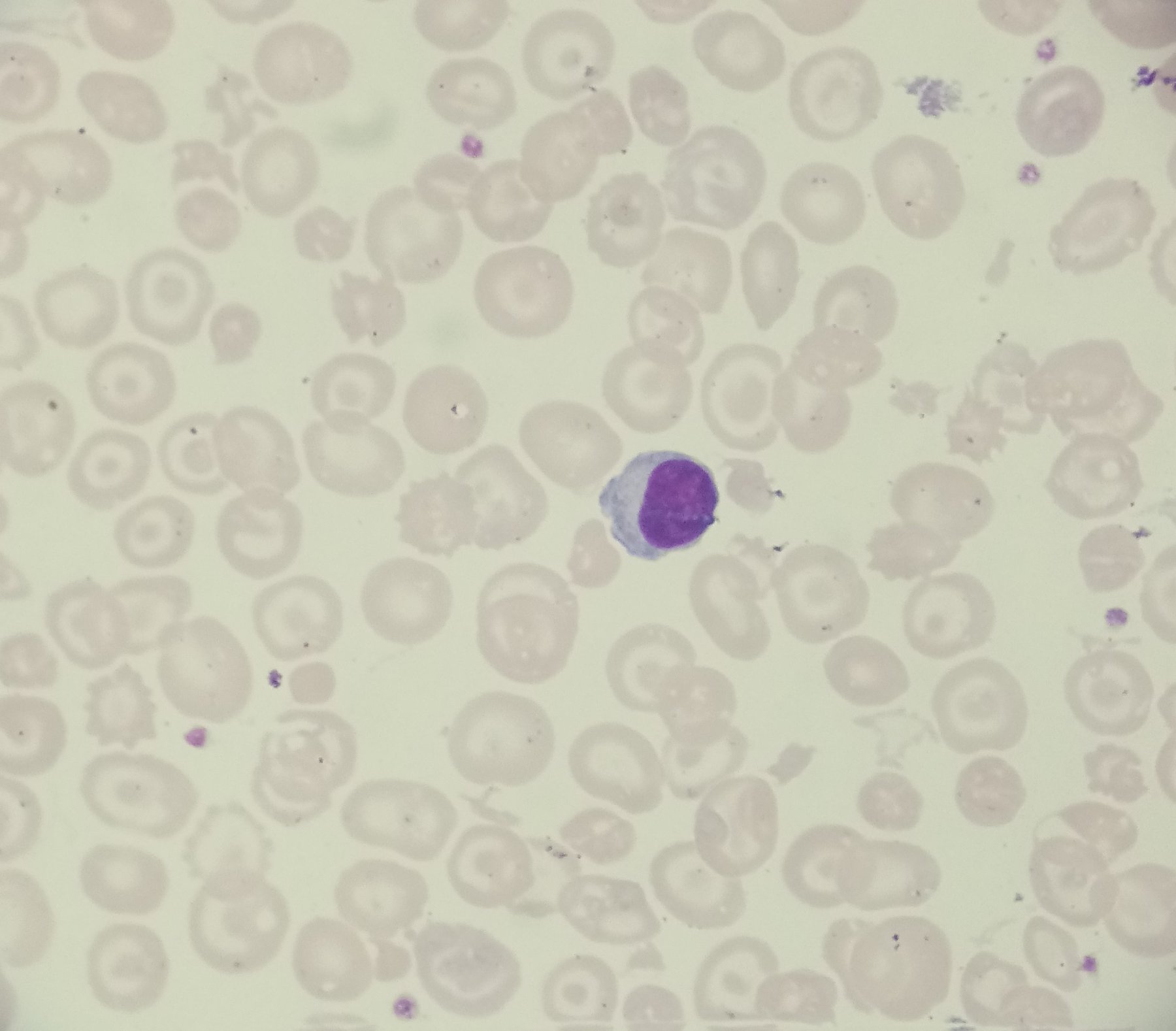
A Nature study tracked 9,419 meals eaten by 173 hospitalized stem cell transplant patients, and mouse experiments backed the link. The researchers say it is too early to advise everyone on antibiotics to avoid sugar.
An Oxford-led Nature Genetics study finds two repressor sites in the ζ-globin promoter; disrupting both raised ζ-globin to levels the authors call therapeutically relevant in patient-derived cells. The work is preclinical.
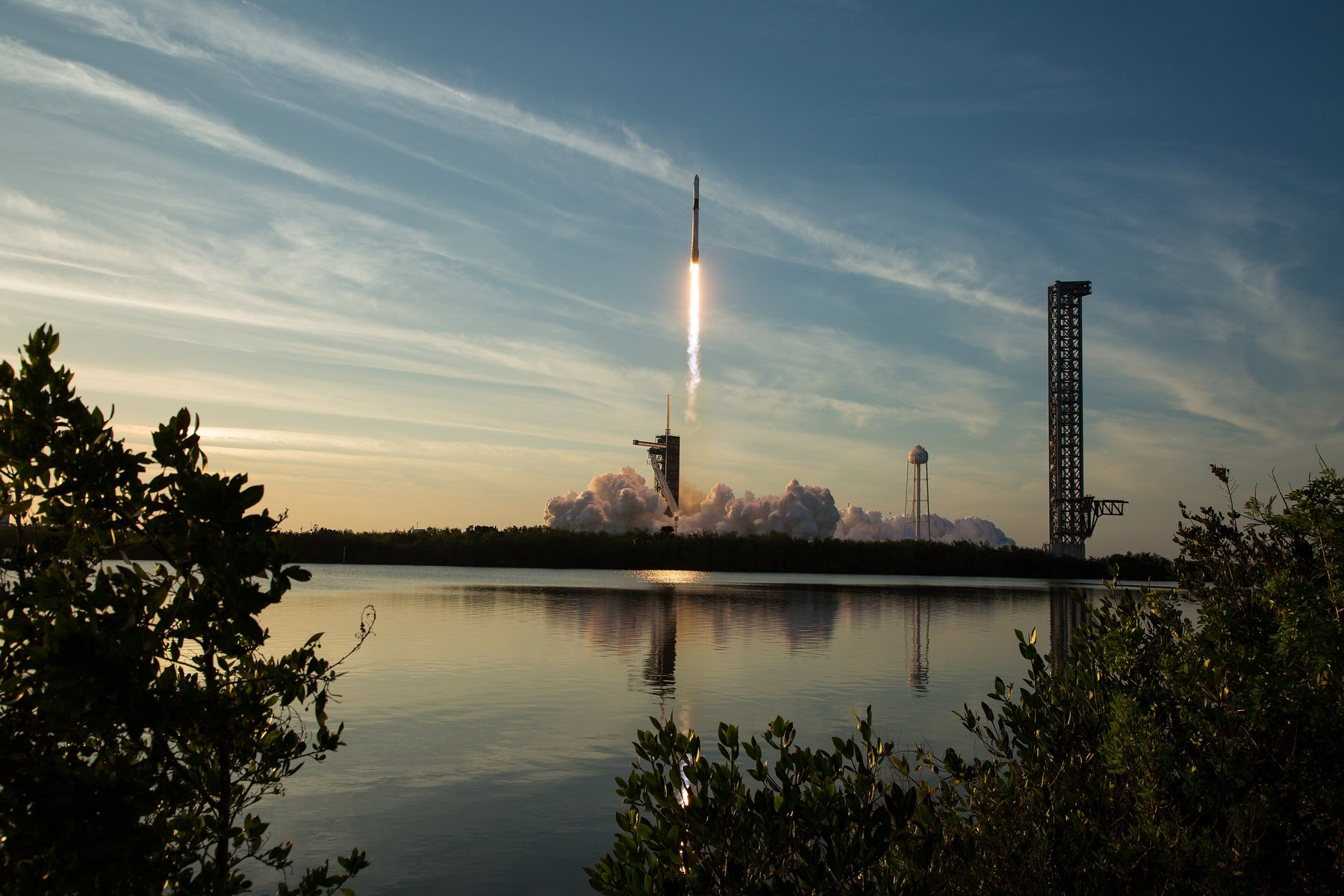
A Falcon 9 lifted off from Cape Canaveral at 11:10 a.m. EDT (8:10 a.m. PT) Thursday with two NASA astronauts, a Canadian astronaut and a Russian cosmonaut aboard the Dragon capsule Grace, at the start of a stay of up to six months.
DeepMind says watermarked protein binders matched unwatermarked ones in lab tests while carrying a detectable signature. Biosecurity experts quoted by Nature say the mark can often be scrubbed away by redesign.
Harvard Medical School researchers at Boston Children’s Hospital and Dana-Farber report in Nature a prime-editing-based method that integrates medium-to-large DNA sequences in dividing and non-dividing human cells, aiming at universal gene therapies.
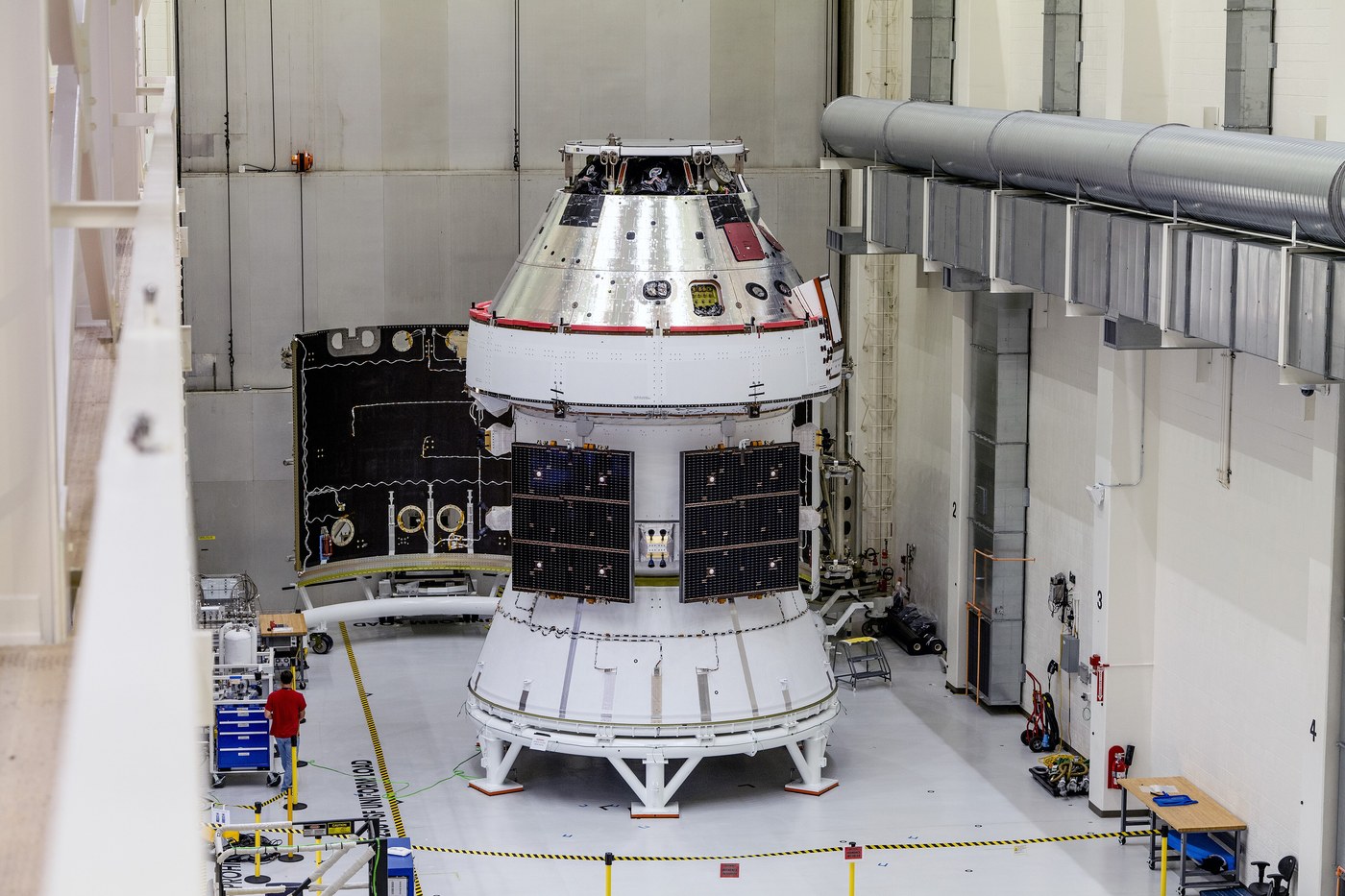
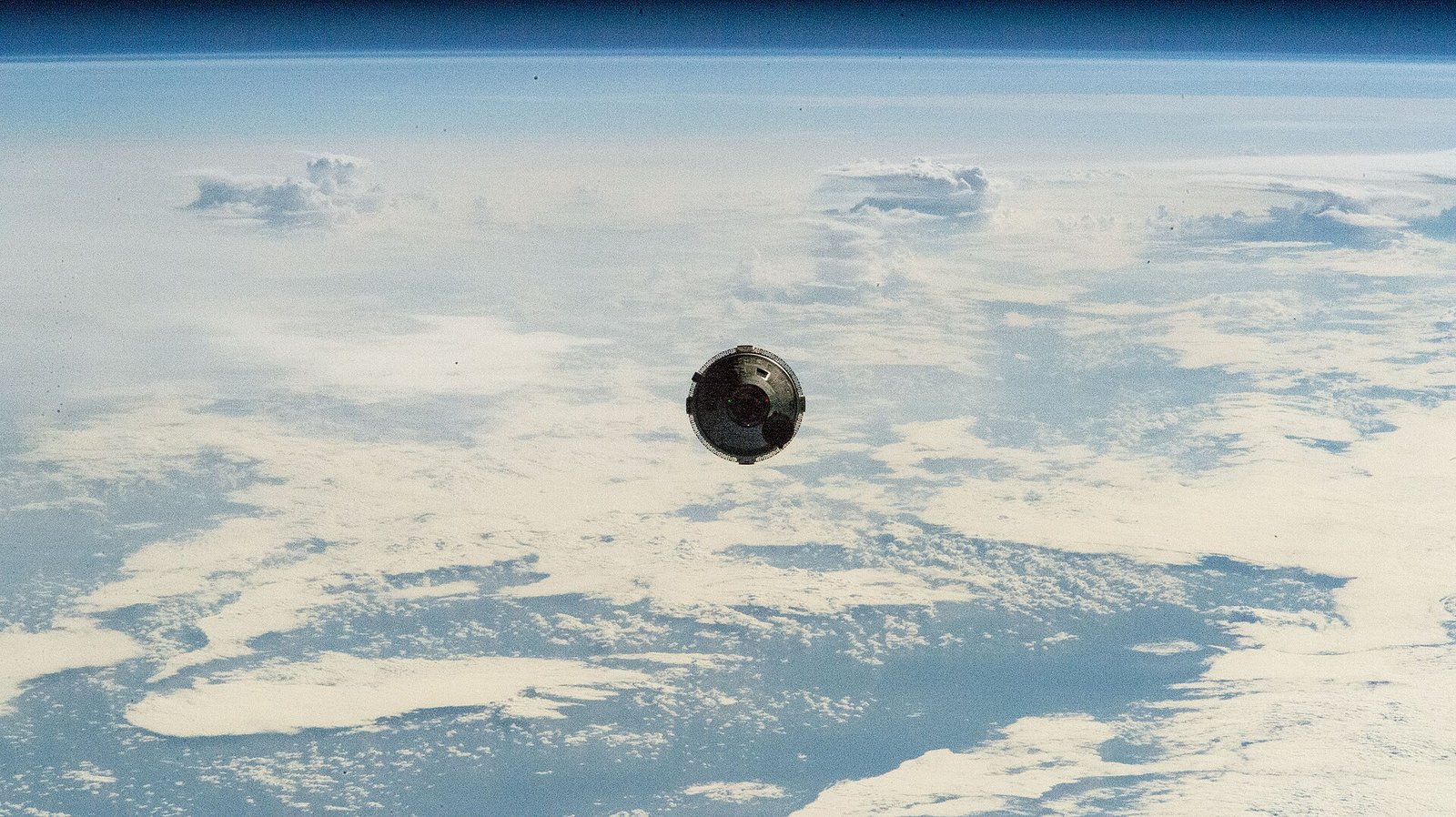
The cargo-carrying Starliner-1 mission is meant to test Boeing’s fixes after the troubled 2024 crew flight; astronaut Woody Hoburg will command the next crewed mission, and NASA put the cost of upgrades and rocket certification at $359 million.
Nature Energy study describes a nickel-hydroxide electrochemical stack using about 0.8 MWh per ton — below many direct-air systems — with a startup sketching $100/ton scale pathways.
Joint briefing updates mission concept studies; no launch date is locked in the new materials.
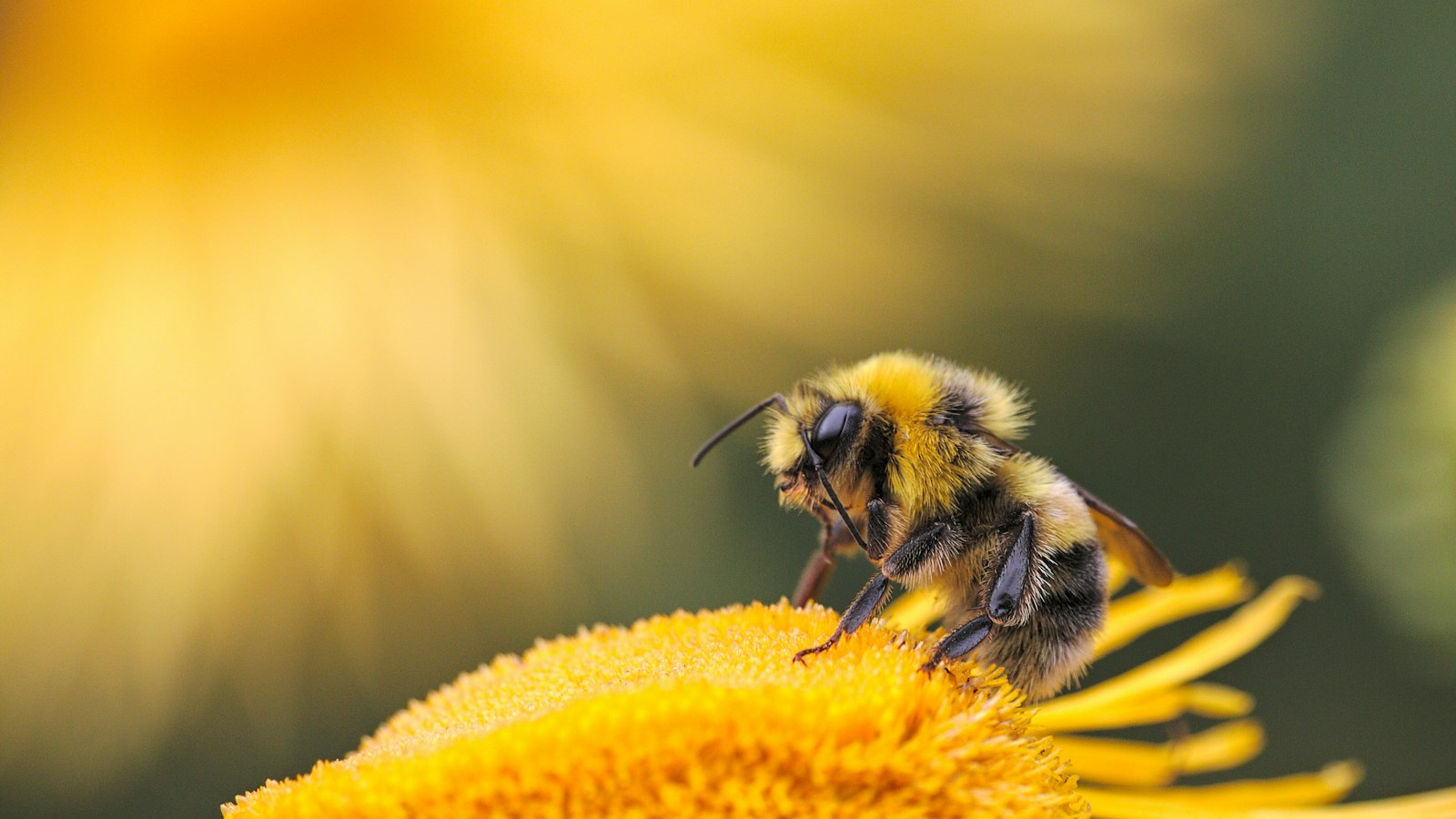
The model screened more than 50 million compounds, and seven tested in the field repelled foraging bees, an eLife paper reports. The work was funded by BASF, and most authors are inventors on a related patent application.
Company and Reuters accounts describe array-associated reverse transcriptases found in bacteriophage DNA; biological function remains unknown.
UC Berkeley’s Nature study finds TSC2 loss drives pro-inflammatory glia in human models; immunosuppressant approaches flagged as possible next steps.
Keck, ALMA, and VLT data point to a still-growing giant planet in a disk gap about 454 light-years away; the team pegs the system at under about 1 million years old.
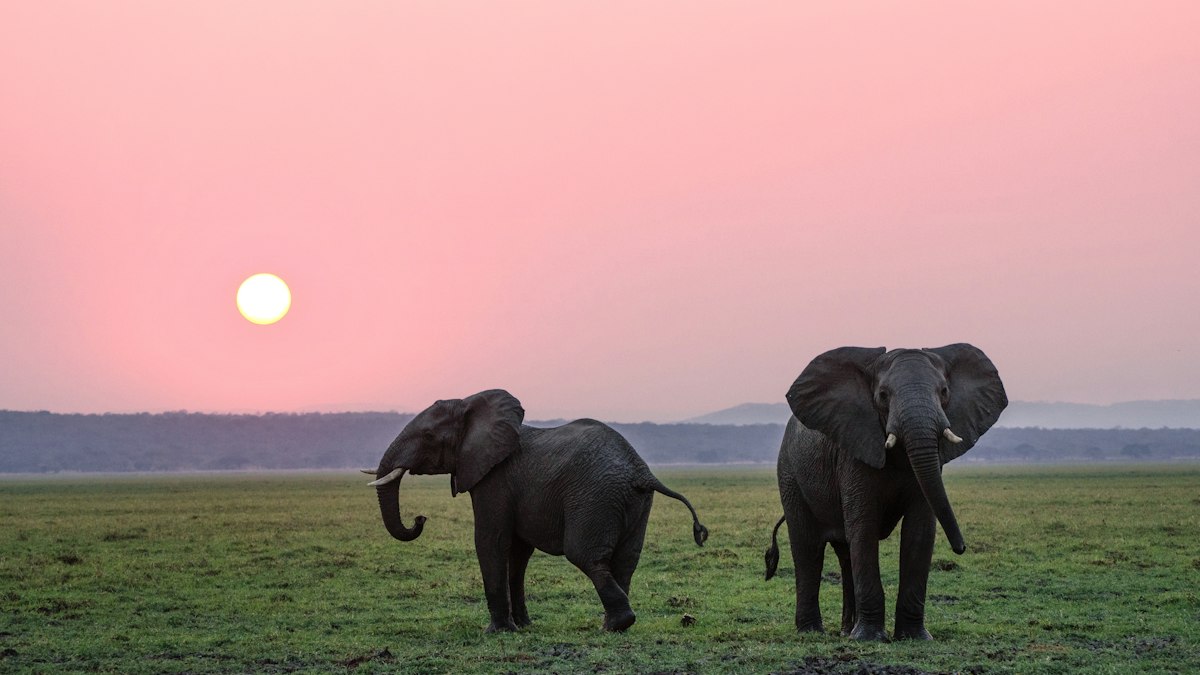
BBC and Smithsonian cover research suggesting African elephants select plants with local medicinal uses; authors say stronger behavioral proof is still needed.
MeerKAT observations are reported as auroral emission implying a ~1,250-gauss field; the study is not peer-reviewed, and outlets stress the signals are not technosignatures.
NIRPS measurements give a Psi angle near 136 degrees with no massive companion to blame; UNIGE-led team floats late secondary-disk accretion as a hypothesis.