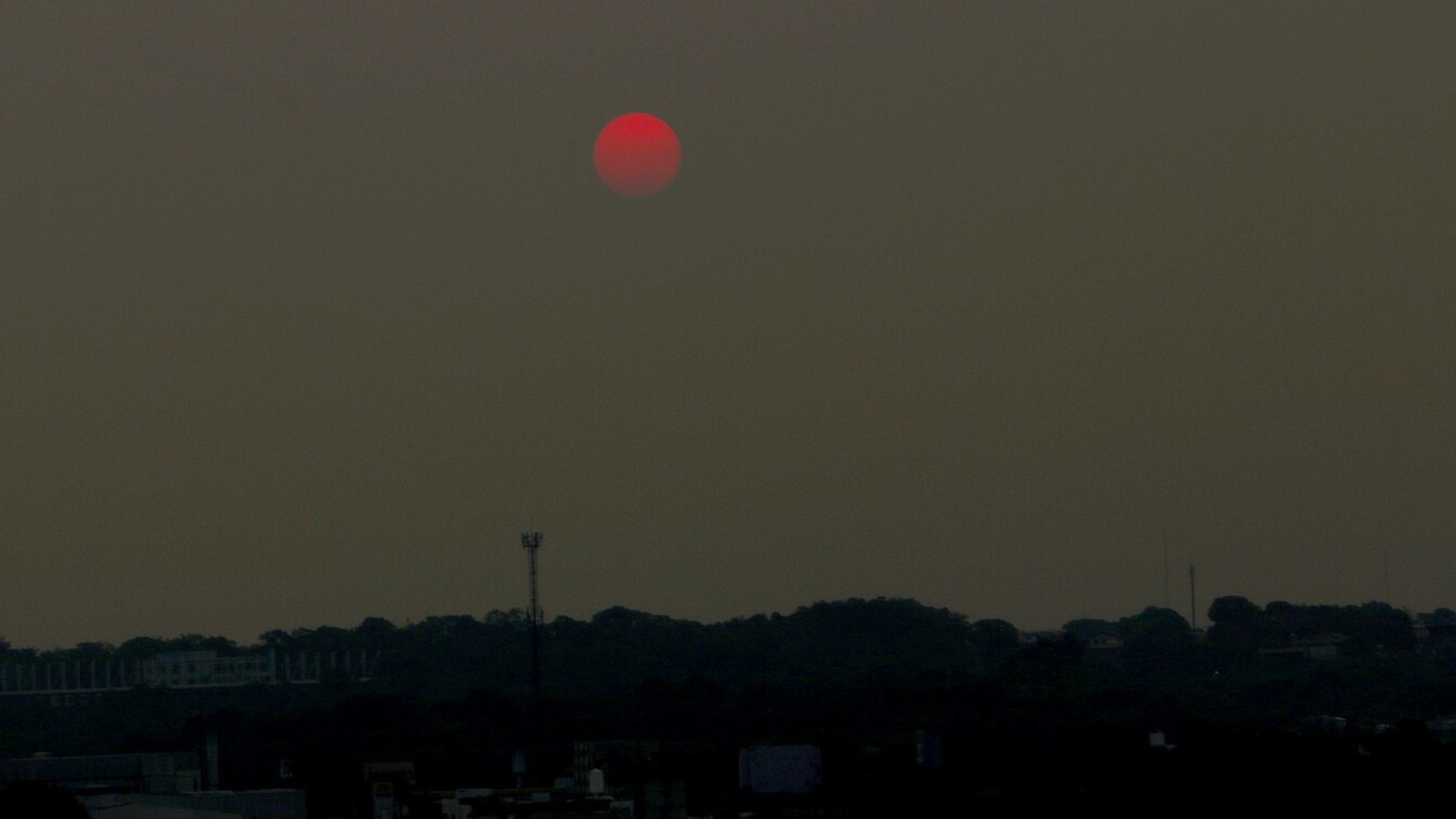
The Amazon rainforest released an average of 1.17 billion metric tons more carbon dioxide than it absorbed each year from 2010 to 2024, according to a study published Wednesday in Nature (opens in new tab) and led by Brazil’s National Institute for Space Research (INPE), Agência FAPESP (opens in new tab) reported. Fires emitted about 1.47 billion metric tons a year, far exceeding the forest’s absorption of about 300 million tons.
The study, based on 15 years of atmospheric carbon measurements, attributed 98% of the change to human activity, Brazil’s G1 reported. “O fogo é o novo desmatamento” (“Fire is the new deforestation”), Gatti told G1, in a quote translated from Portuguese.
Over 46 years, deforestation and degradation reduced annual rainfall by 8% and dry-season rainfall by 20%, while average temperatures rose 1.13°C, according to FAPESP. “The main message of the study is shocking: the problem in the Amazon is human activity,” lead author Luciana Vanni Gatti said, according to FAPESP. INPE data show more than 41,200 fires in the Brazilian Amazon so far this year, compared with 43,130 in all of 2025, FAPESP reported.