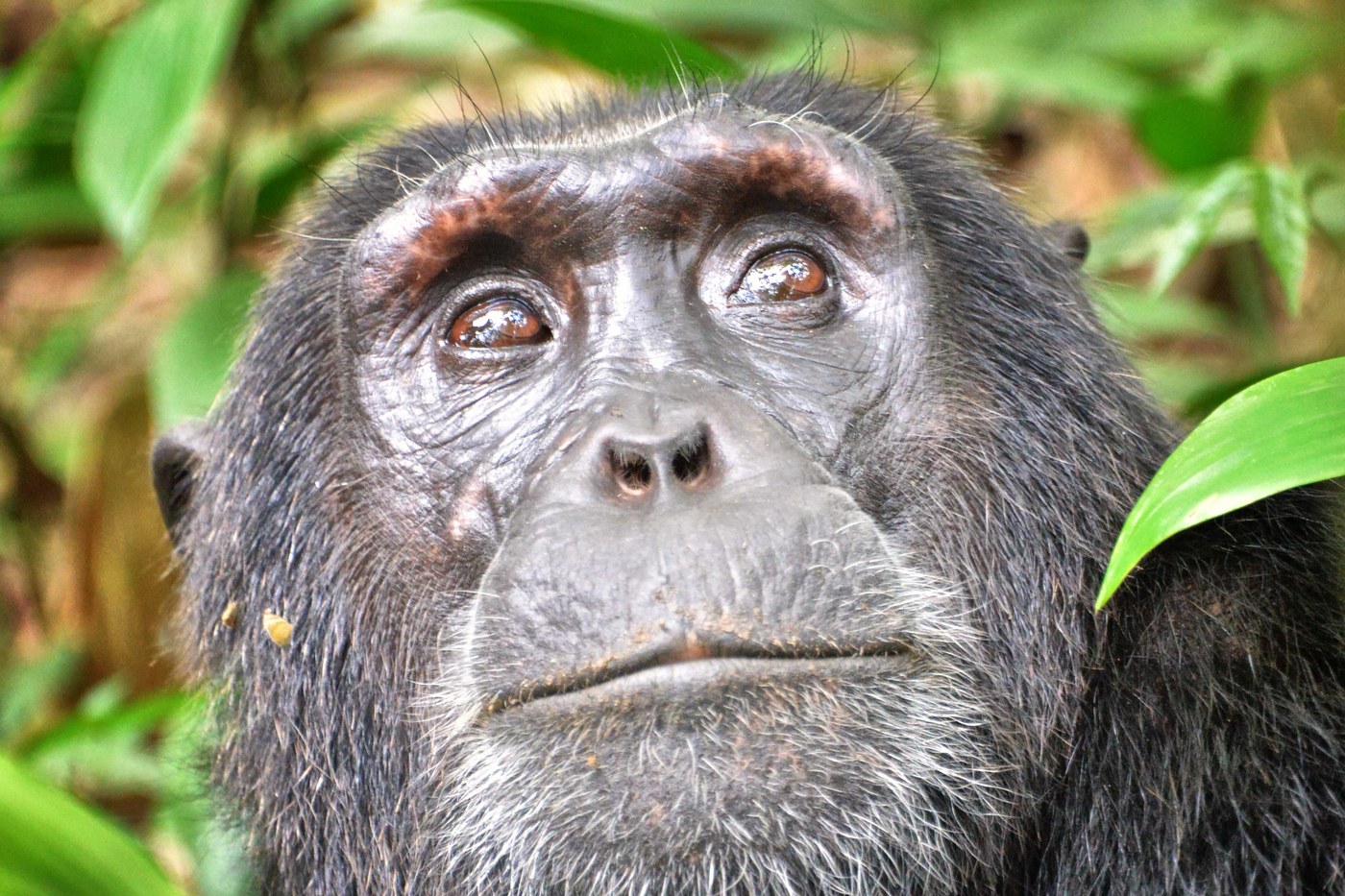
Leftover DNA from an ancient retrovirus that infected the ancestors of chimpanzees, but not humans, silences a gene that appears to help brain cells mature. That is according to a study by researchers at Lund University in Sweden, published Oct. 23 in Science Advances. The retrovirus, PTERV1, is found in chimpanzees and other African apes but not in humans, lead author Patricia Gerdes told ScienceAlert (opens in new tab).
In chimpanzees, the viral DNA sits at 158 locations in the genome, Science News (opens in new tab) reported. Working with chimpanzee stem cells, the team used CRISPR to remove the insertion near a gene called LINC00662. The gene, normally silent in chimps but active in developing human brain cells, then switched on. When the researchers switched the gene off in human brain organoids, neurons and their extensions did not mature and grow as fully, ScienceAlert (opens in new tab) reported.
“Our findings show one way an ancient viral [DNA] insertion could create a lasting difference in how a gene is regulated in humans and chimpanzees,” neuroscientist Johan Jakobsson of Lund told Science News (opens in new tab). He said other genetic and environmental changes are probably involved too. Gerdes cautioned that restoring the gene in chimp cells “does not show that removing it would transform brain development.”
Ravinder Kanda, an evolutionary geneticist at Oxford Brookes University who was not involved, said the team convincingly showed that the viral leftovers affect developmental differences between human and chimp neurons. “They’ve proved that absolutely. How far that goes, I don’t think we can quite say yet,” Kanda told Science News (opens in new tab).