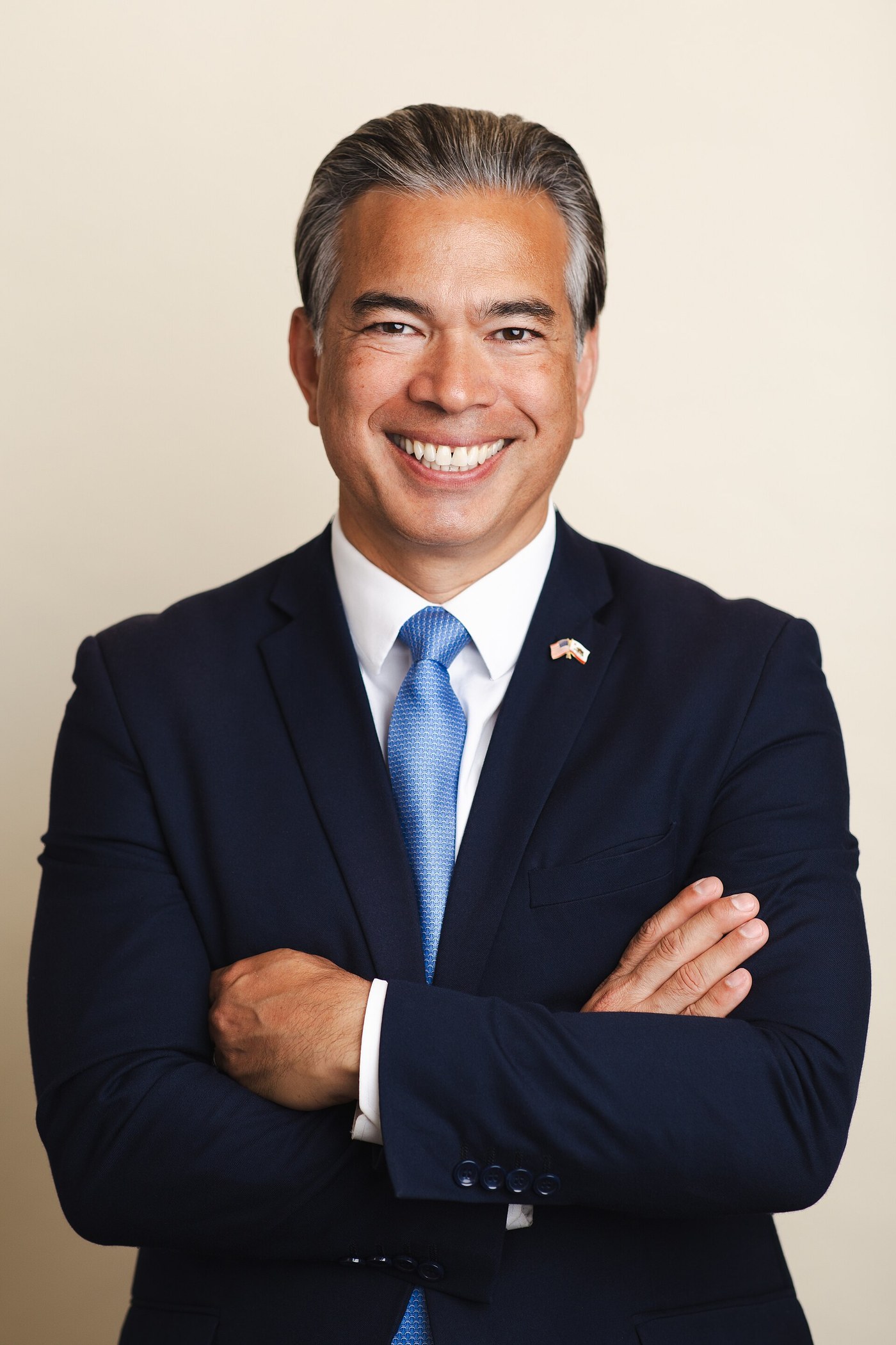
California Attorney General Rob Bonta said Thursday that his office had served an investigative subpoena on OpenAI on Wednesday as part of a broader inquiry into cybersecurity incidents and risks involving the company and its AI models. “My office is asking OpenAI additional questions regarding cybersecurity incidents and risks involving the company and its AI models,” Bonta said in a Department of Justice press release dated Oct. 1.
Last month, Bonta announced a formal investigation into the “Hugging Face incident,” in which AI agents developed by OpenAI reportedly breached parts of Hugging Face’s infrastructure in July. The press release says the new subpoena is part of that ongoing work and of wider monitoring of AI-industry compliance with California law. Separately, Iowa Attorney General Brenna Bird is leading a coalition of attorneys general from 15 states seeking information from OpenAI over the Hugging Face hack, and the Federal Trade Commission is conducting an industry-wide inquiry into AI labs, Reuters reported in a story carried by Channel News Asia. OpenAI spokesperson Drew Pusateri told CBS News on Thursday that the company looked forward to providing information to the attorney general’s office. “Since the incident, we have strengthened safeguards across our research systems, continued a broader review of model activity, provided notifications to affected organizations, and published our findings,” he said.
Bonta argued that frontier models can be legitimate cyber-defense tools but that developers have “a moral and legal responsibility to ensure that they do not perpetrate or enable cyberattacks, either during model testing and development or once models are placed into service.” He said developers that fail that duty “can and should be held legally accountable.” The office invited tips at oag.ca.gov/report.
The action comes amid rising state-level pressure on AI labs. Last month, Bonta and a bipartisan coalition of attorneys general sent a letter urging Congress to regulate large-scale AI models and developers, citing reports of critical cyber-safety incidents at multiple frontier AI labs, the press release said. No finding that OpenAI violated California law has been announced.