The Centers for Disease Control and Prevention (opens in new tab) reported on Tuesday that 19 drug-resistant germs cause an estimated 9.7 million to 9.8 million infections and about 50,800 deaths a year in the United States. CIDRAP (opens in new tab) gave the infection figure as 9.7 million and NBC Chicago (opens in new tab) as 9.8 million. More than 42,000 of the deaths were from infections commonly associated with health care, the CDC said, according to NBC Chicago (opens in new tab). The estimates are based on 2023 data, CIDRAP (opens in new tab) reported.
The CDC’s previous threats report, in 2019, estimated 2.8 million infections and 35,000 deaths a year, CIDRAP (opens in new tab) reported. The agency says the totals are not directly comparable: “CDC’s methodologies and data sources changed substantially between previous reports and the 2026 update to the AR Threats Report for all pathogens except C. auris. Therefore, direct comparisons between reports should not be made.” CIDRAP (opens in new tab) reported that CDC officials say part of the jump reflects real increases in infections from some resistant bacteria and fungi.
The report sorts 19 germs into four urgent threats, 13 serious threats and two concerning threats, and keeps a watch list of six more, according to the CDC’s list. The urgent threats are Candida auris, carbapenem-resistant Acinetobacter, carbapenem-resistant Enterobacterales (CRE) and drug-resistant Neisseria gonorrhoeae, which causes gonorrhea.
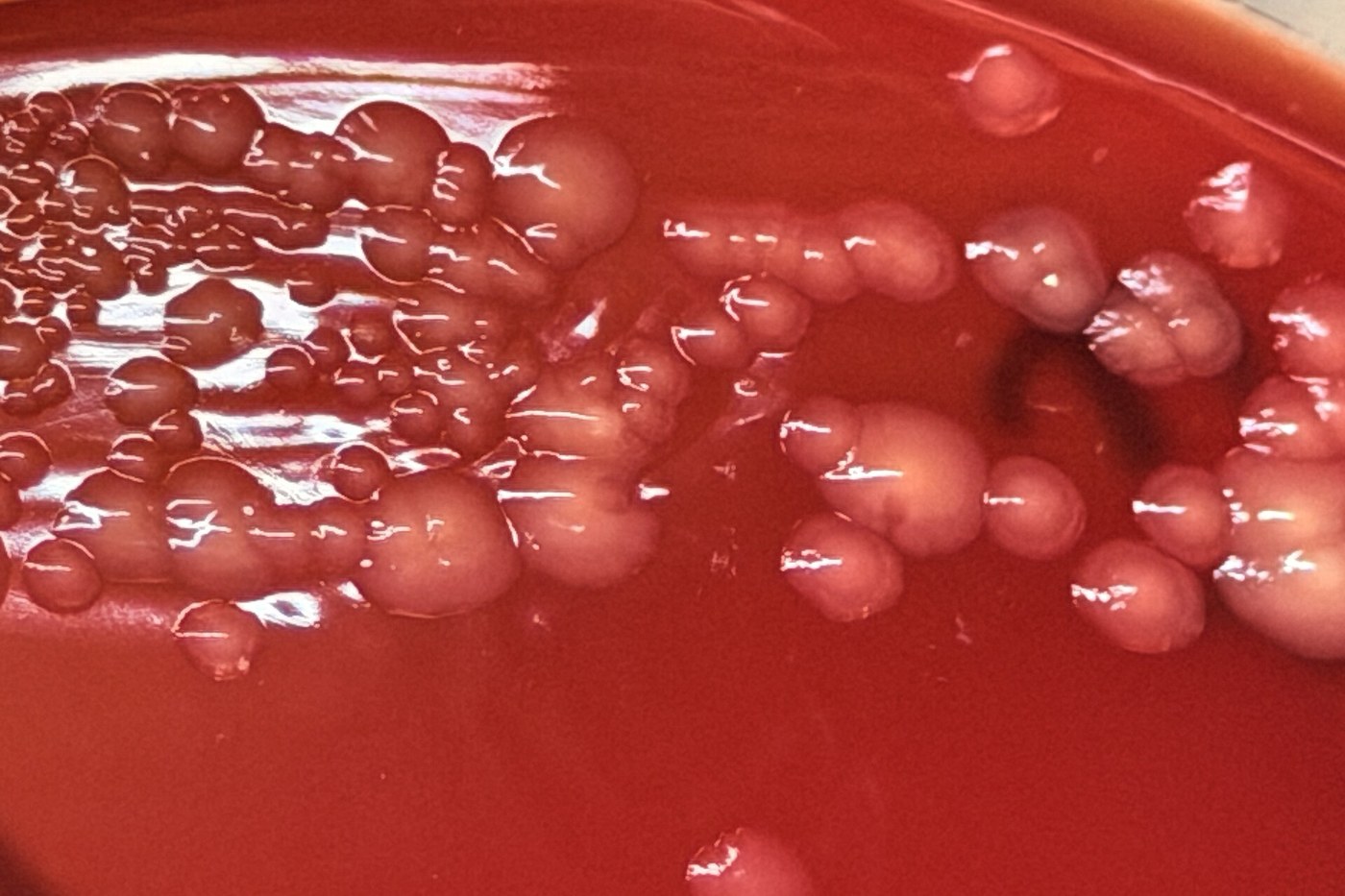
Candida auris, a fungus that spreads in health care settings, caused 4,523 infections in 2023, a tenfold increase from 2019, CIDRAP (opens in new tab) reported. NBC Chicago (opens in new tab), citing the CDC, said some strains resist all three available classes of antifungal drugs. Tom Chiller, a former chief of the CDC’s Mycotic Diseases Branch who now works at a fungal-diagnostics company, told CIDRAP (opens in new tab) the infections are fatal in 29% to 62% of patients and that more drug development is needed.
C. diff, which causes severe diarrhea, was moved from urgent to serious after a decline in cases that the CDC attributes to better infection control and antibiotic use, CIDRAP (opens in new tab) reported. Infections fell 9% from 2018 to 2023, but the germ still caused more than 11,000 deaths among hospital patients in 2023. Drug-resistant Neisseria meningitidis, which can cause meningitis, was added as a new serious threat, according to the CDC and CIDRAP (opens in new tab).
“Antimicrobial resistance threatens modern medicine and puts millions of Americans at risk every year,” CDC Director Erica Schwartz said in a release. “This data shows both the progress we’ve made and the significant work that remains.”