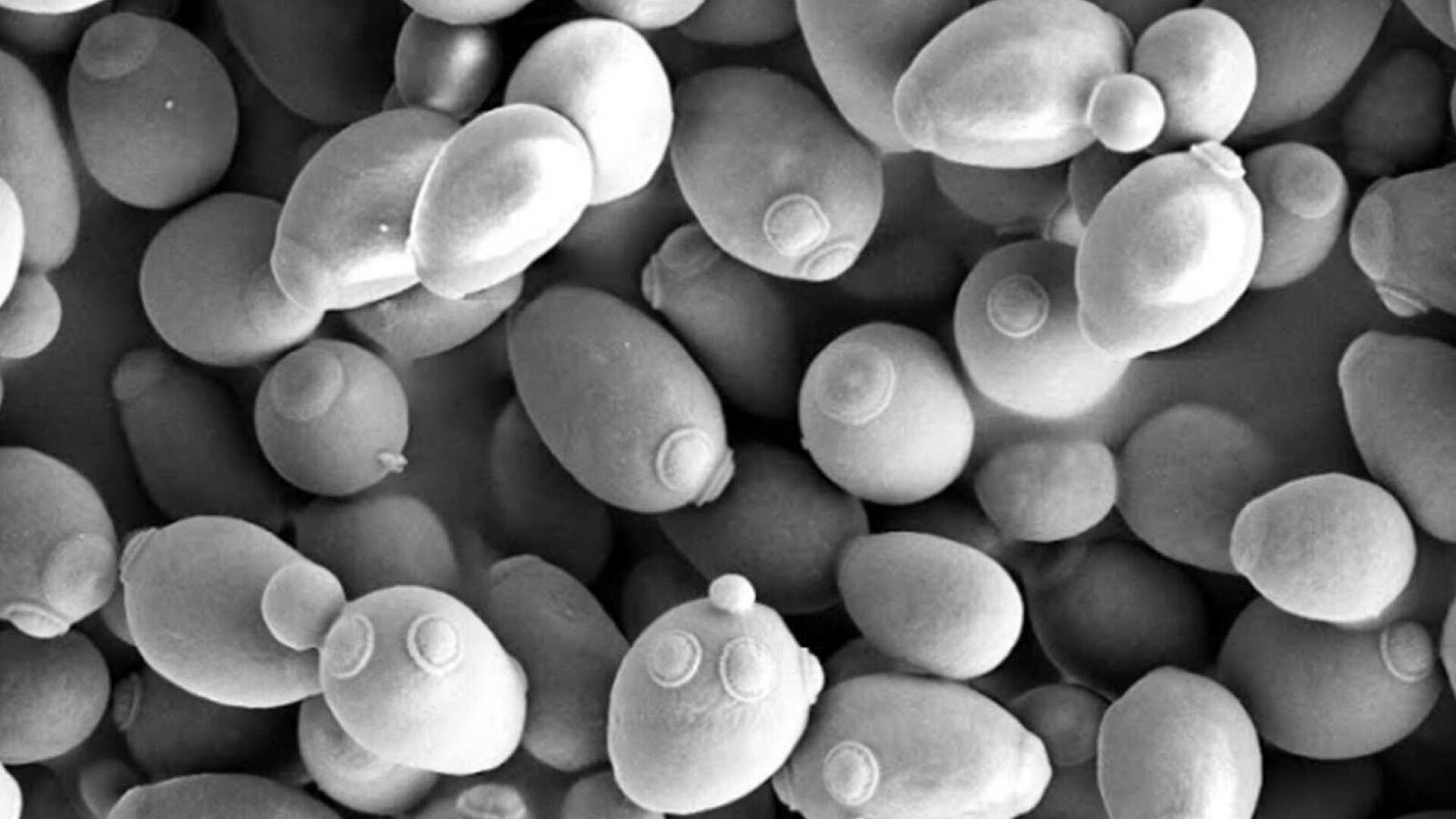
Researchers at Chalmers University of Technology (opens in new tab), with colleagues at the University of Gothenburg and the University of Cambridge, say they have built a closed-loop “AI scientist” that can generate biological hypotheses, design experiments and interpret results with minimal human intervention, Chalmers announced on Sept. 30 and Euronews (opens in new tab) reported on Oct. 2. The system was demonstrated on Saccharomyces cerevisiae, brewer’s yeast.
According to Chalmers and Euronews (opens in new tab), the team combined large language models, automated reasoning and laboratory robotics—including the robot scientist Eve—and fed the system structured knowledge such as the yeast genome, metabolism and prior studies. Coauthor Ievgeniia Tiukova said the AI could identify promising questions, recommend experiments, evaluate outcomes and iteratively refine its understanding. Euronews (opens in new tab) reported that the system analysed a database of about 60,000 phenotypical, physiological and metabolic relations, formed nearly 2,000 testable predictions about nutrients and stress resistance (the paper itself reports 1,933 hypotheses across 16 amino acids), and converted selected ideas into machine-readable lab instructions.
The study, “Agentic AI integrated with scientific knowledge: laboratory validation in systems biology,” was published online July 8 in the Journal of the Royal Society Interface (opens in new tab), according to the journal. The paper reports that the system identified previously undescribed interactions in yeast, including glutamate-induced growth inhibition in spermine-treated cells and partial rescue from formic-acid stress by aminoadipate. Senior author Ross King, a professor at Chalmers and the University of Gothenburg who earlier built robot scientists Adam and Eve, said AI scientists “will collaborate with human scientists to accelerate discoveries across biology, medicine and biotechnology.” The university said both authors emphasise that the AI will, for now, augment rather than replace scientists, and King said, “Human scientists remain essential for defining research priorities, interpreting broader scientific significance and ensuring ethical oversight.”
Chalmers listed funding from Sweden’s WASP program, the UK Engineering and Physical Sciences Research Council, Chalmers AI Research Centre and Formas. Euronews (opens in new tab) noted parallel policy interest, citing a recent World Health Organization report on ethical safeguards for AI-enabled health research. The university release described Eve as originally designed for drug discovery and now updated with large language models and automated reasoning.