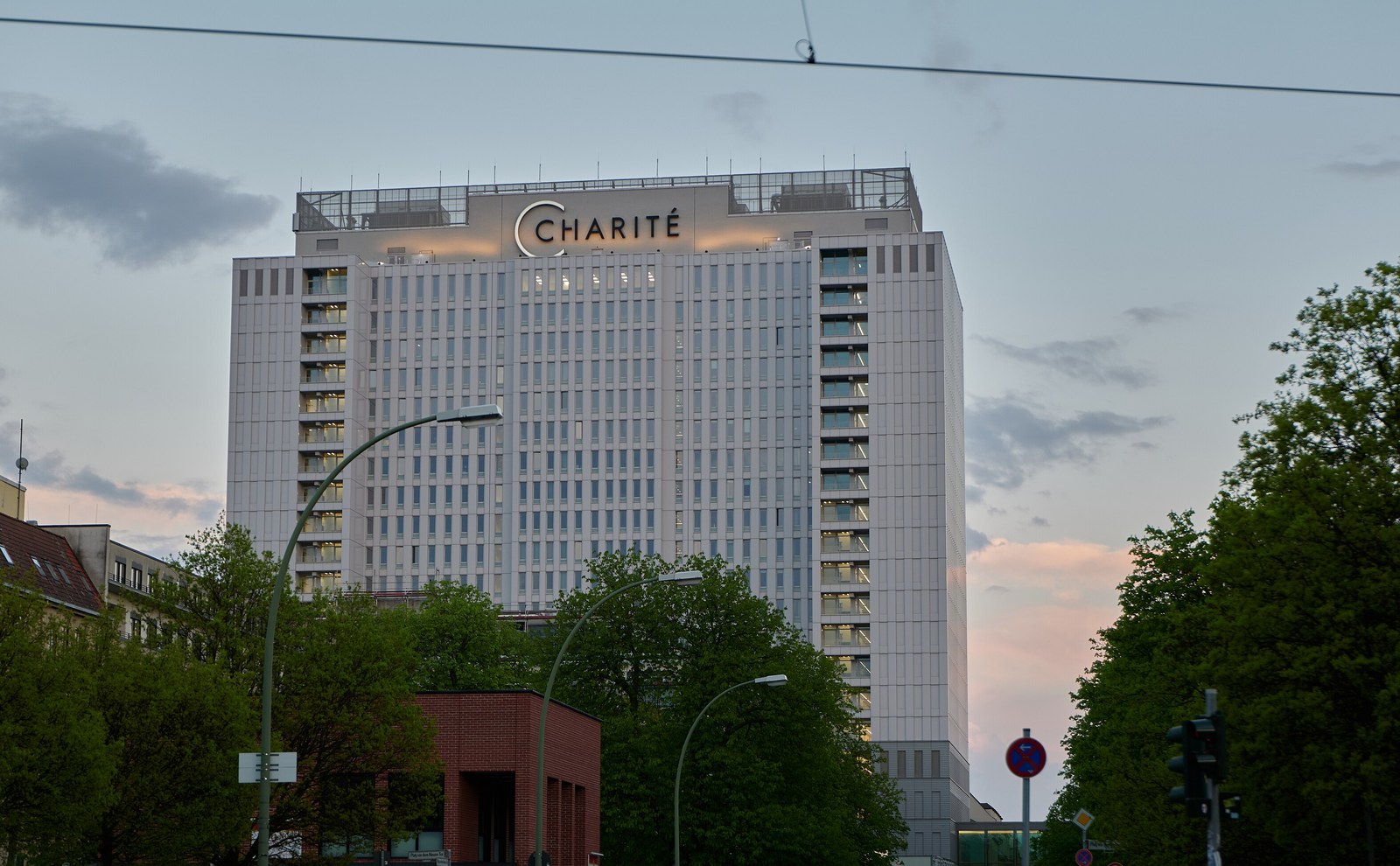
Mohammad, a 19-year-old with severe beta-thalassemia, is the first patient in Germany to receive the CRISPR-based gene therapy exagamglogene autotemcel (Exa-cel, sold as Casgevy) as part of standard medical care, Charité – Universitätsmedizin Berlin announced on Oct. 1. Until now the drug had been used in Germany only in clinical trials, dpa reported. PD Dr. Lena Oevermann, a senior physician who heads Charité’s Hemoglobinopathy Program, administered the therapy on May 28 in the presence of CRISPR co-discoverer and Nobel laureate Emmanuelle Charpentier. Four months later he no longer depends on blood transfusions, the hospital said.
Severe beta-thalassemia is caused by a genetic defect that impairs production of hemoglobin, leaving tissues short of oxygen; untreated, patients with the severe form die before reaching toddler age, according to Charité, which said about 60,000 children worldwide are born with it each year. Affected children need transfusions every three weeks to survive. A stem-cell transplant can cure the disease, but Oevermann said it “is only an option up to age 14, because after that the risks of complications simply become too great.” Mohammad was too old, so Charité gave him Exa-cel after a case-by-case review by his health insurer.
Exa-cel is a cell-based gene therapy, and the whole process took about 12 months. Doctors mobilized Mohammad’s blood stem cells, collected them and sent them to the manufacturer’s laboratories in the Netherlands, where CRISPR editing reactivated the gene for gamma globin, a component of fetal hemoglobin. After chemoconditioning cleared space in his bone marrow, he received more than 900 million edited stem cells on May 28. Within 40 days his body began producing fetal hemoglobin, which now makes up 85% of his total hemoglobin, Oevermann said; full production is expected to take about half a year, but his total hemoglobin is already in the normal range. He was discharged just under six weeks after the infusion.
Oevermann cautioned that chemoconditioning causes painful inflammation of the mucous membranes, “is likely to cause infertility and can lead to liver damage,” adding: “Furthermore, we do not yet have data on the long-term safety and efficacy of the gene therapy.” Exa-cel has held conditional EU approval since 2024 for certain patients with transfusion-dependent beta-thalassemia or severe sickle-cell disease, with 15 years of follow-up required, and may be given only at specialized centers; Charité says it is the first qualified center in Germany. The drug was developed by CRISPR Therapeutics, which Charpentier co-founded, and Vertex Pharmaceuticals.
“Now, just 14 years after it was first described, the gene-editing tool is part of a treatment that we can offer to seriously ill young patients in routine clinical practice,” said Charité CEO Heyo K. Kroemer. Charité did not disclose the cost. Vertex agreed a reimbursement amount with German health insurers that is to remain confidential, Tagesspiegel (opens in new tab) reported, citing Deutsches Ärzteblatt figures that put the price at the equivalent of €1.87 million in the United States and €1.91 million in Britain. dpa also noted that Joachim Kunz of Heidelberg University Hospital has said the therapy is extremely complex, requires elaborate logistics and is unlikely to be scalable beyond a limited number of patients a year.