New federal rules for sharing the Colorado River took effect Oct. 1, the start of the water year, and will leave Arizona, California and Nevada with roughly 20% less water after years of failed negotiations among the seven basin states, NPR reported with KJZZ (opens in new tab)’s Alex Hager. The rules replace a prior framework after about 20 years and reflect that the river can no longer supply the nearly 40 million people who depend on it at prior levels, the report said.
Arizona is hit hardest by the new cuts, NPR/KJZZ (opens in new tab) reported. Tom Buschatzke, Arizona’s top water negotiator, said the state wants water users to have plans in place. He is working with California and Nevada on a deal to spread the pain, but John Berggren of Western Resource Advocates told KJZZ (opens in new tab) that high-level bargains still must be sold to cities and farms that actually have to use less. Nevada has sued the federal government over the river plans, slowing three-state talks, NPR said. Arizona has set aside $9 million to sue other states or the federal government over the river and says it reserves the right to go to court.
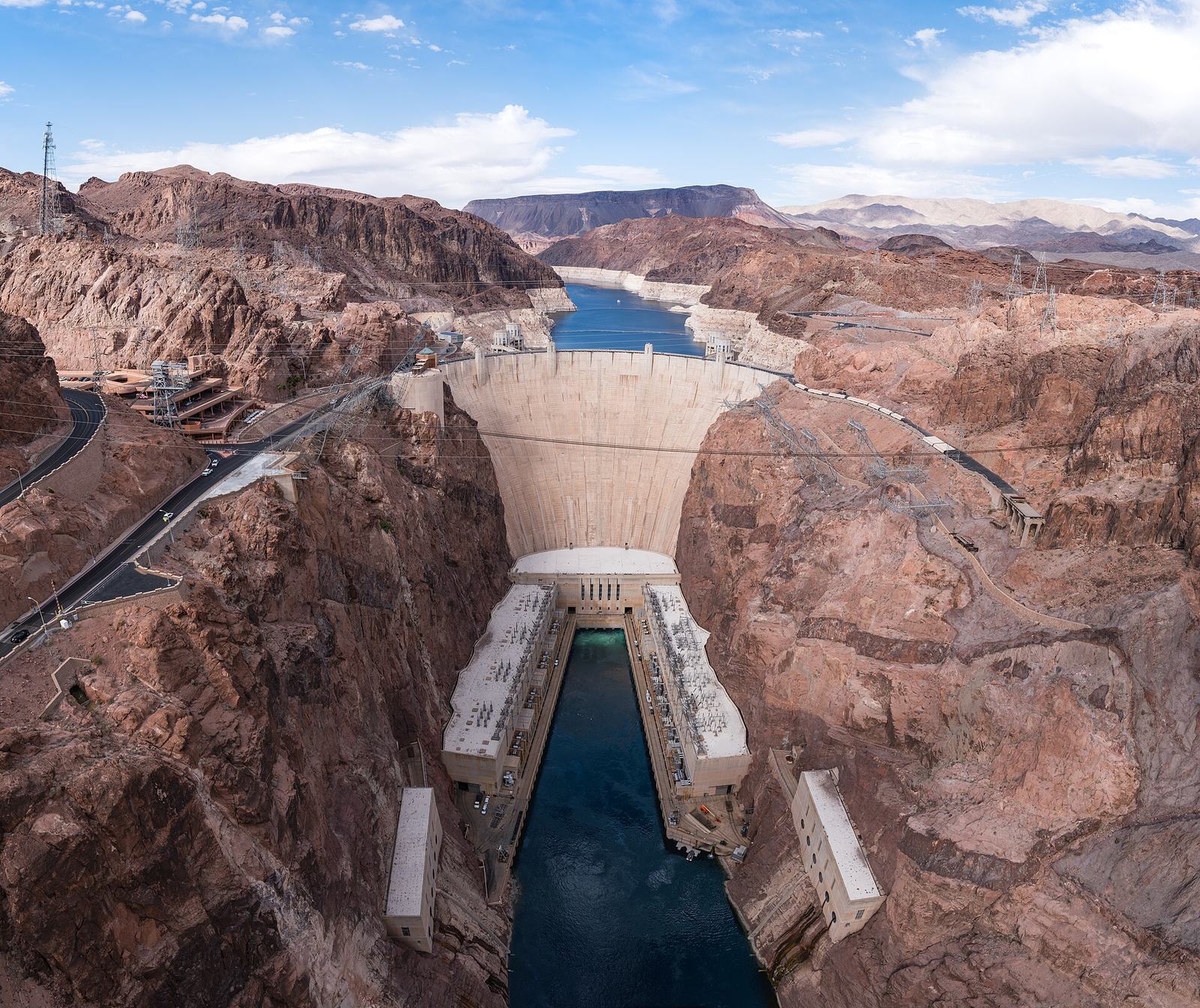
KJZZ (opens in new tab) reported that the new rules immediately change how much water is sent from Lake Powell downstream to Lake Mead, but the amount flowing out of Lake Mead won’t change until the beginning of 2027; Arizona’s cuts become official on Jan. 1, 2027. The Guardian (opens in new tab), in an Oct. 1 overview by Climate Central, said Lake Mead is less than 27% full, its lowest level since it was filled nearly 90 years ago, and that Lake Powell is also at a historic low. It cited a 26-year megadrought that has cut the river’s flow by 20%, record-low snowpack in the winter of 2025–26 and extreme heat as drivers of the decline, and said the three Lower Basin states will together reduce use by about 1.25 million acre-feet a year beginning in 2027.
Federal money is available as an incentive to use less water, NPR reported, but negotiators still lack a finished three-state deal. Buschatzke told KJZZ (opens in new tab) he is “very optimistic” about progress on that deal, which must be signed by Jan. 1, 2027.