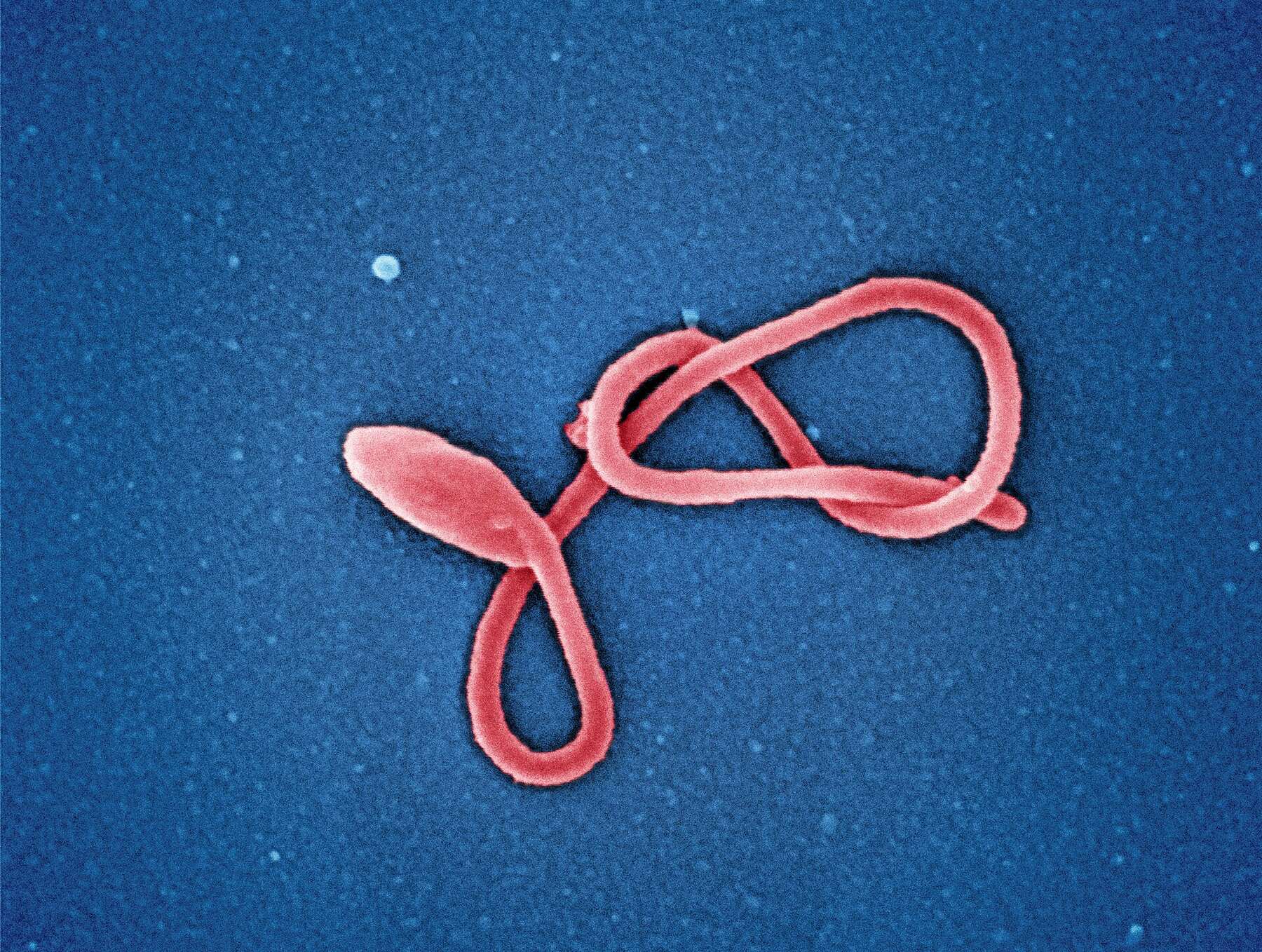
The Ebola outbreak in the Democratic Republic of the Congo had killed 4,018 people among 8,300 cases, according to Health Ministry figures reported in early October by the Associated Press and Reuters. Reuters described the 8,300 as confirmed cases; the AP described them as cases recorded since the outbreak was declared May 15. The outbreak is caused by the Bundibugyo virus, and the AP described it as the fastest-growing Ebola outbreak in history. Euronews (opens in new tab) reported that those figures also showed 2,162 people had recovered.
The World Health Organization’s Disease Outbreak News report published Sept. 25, with data through Sept. 23, counted 7,890 confirmed cases, including 3,799 deaths, for a crude case fatality ratio of 48.1%. It said cases had been confirmed in 63 health zones across seven provinces — Bas-Uélé, Haut-Uélé, Ituri, North Kivu, South Kivu, Sud Ubangi and Tshopo — with 48 health zones in six provinces reporting at least one case in the previous 21 days. Dungu in Haut-Uélé and Bulu in Sud Ubangi were the most recently affected health zones, and no new cases had been reported from South Kivu since May 29, the WHO said.
Ituri remains the epicenter, with 6,032 confirmed cases, followed by North Kivu with 1,480 and the highest fatality ratio in the outbreak, 59.7%, according to the WHO report. Médecins Sans Frontières said Friday that North Kivu now accounts for nearly 40% of newly confirmed cases nationwide, up from 24% at the end of August. “It is like fighting a wildfire,” said Stéphanie Hoffmann, coordinator of the group’s Ebola treatment center in Butembo, according to the AP. “Multiple outbreaks are developing at the same time, with varying intensity and in different locations.”
The WHO says “no approved vaccines or specific treatments currently exist” for Bundibugyo virus disease. CIDRAP (opens in new tab) reported that, as of late last week, 6,300 health workers had received the Ervebo vaccine as part of a clinical trial and 1,066 others had also received doses. Ervebo has proven efficacy against the more common Zaire Ebola virus; its effectiveness against Bundibugyo is being estimated, and the antivirals remdesivir and obeldesivir are being studied for treatment and post-exposure prevention, CIDRAP (opens in new tab) reported, citing Africa CDC.
The Africa Centres for Disease Control and Prevention said Thursday that newly confirmed cases are falling, but that the decline could reflect insecurity and difficulty getting communities to cooperate in some hot spots, the AP reported. “This curve doesn’t mean that the outbreak is totally under control,” Africa CDC epidemiologist Wessam Mankoula said at a briefing, according to CIDRAP (opens in new tab).
Health workers in Bunia, the capital of Ituri, protested over unpaid wages, the AP reported. “There is no explanation from the administration,” said Biongi Beiza, one of the protesters. A senior U.N. official said soldiers searching for weapons this week burned a displacement camp housing a transit center for patients in Kigonze, outside Bunia, forcing 19,000 people to flee, according to the AP. “When we lose a center, that means we lose capacity, we lose investment, and we have to start again,” said Julien Harneis, the U.N.’s senior Ebola coordinator. Al Jazeera (opens in new tab) reported that Marie-Celestin Karondwa, a local official of the governing Union for Democracy and Social Progress, was beaten at his home in Butembo on Sunday after taking part in a radio program to raise awareness about the epidemic, and died of his injuries in hospital.
An MSF aid worker infected in Congo was flown to the Netherlands and admitted to a high-level isolation unit at Leiden University Medical Center, the AP reported. In a risk assessment on Aug. 14, the WHO rated the risk as very high within Congo, high for countries sharing land borders with it and low for the rest of the African region and globally, and its Sept. 25 report advised against restrictions on travel or trade.
The WHO’s Disease Outbreak News report published Oct. 23 counted 9,704 confirmed cases, including 4,687 deaths, as of Oct. 20, an overall fatality rate of 48.3%. Confirmed cases have been identified in 66 health zones across eight provinces, and 50 of those zones reported at least one new case in the preceding 21 days, the WHO said. Mandima, Beni and Bunia reported the most cases and deaths in that period.
Of 30,130 contacts under follow-up, 79.7% were seen in the previous 24 hours, below the required threshold of 95%, according to the WHO. The agency said the TUMAINI trial, a Phase 2/3 trial of vaccine candidates against Bundibugyo virus, launched on Oct. 23 with first participants enrolled in Bunia.
Update, Oct. 27: Congolese health authorities reported Tuesday that the outbreak has reached 10,060 confirmed cases, including 4,887 deaths, as of Oct. 25, Xinhua (opens in new tab) reported, citing data released by the authorities that day. AFP (opens in new tab), citing “the DRC’s figures,” likewise reported that 10,060 people have been infected and 4,887 have died since the virus was first detected in May, and that the outbreak has passed 10,000 confirmed cases, with almost 5,000 deaths. Xinhua (opens in new tab) put the case fatality rate at 48.6 percent. AFP (opens in new tab) reported that some 2,684 people have recovered in the DRC and that the fatality rate “appears to be close to 50 percent,” according to the Congolese National Institute of Public Health.
Xinhua (opens in new tab) reported that the outbreak has affected 66 health zones across eight of the DRC’s 26 provinces, and that Ituri remains the epicenter, accounting for 71.7 percent of all confirmed cases. AFP (opens in new tab) said Ituri and North Kivu account for the majority of reported cases. The Oct. 25 totals are higher than the WHO’s count above, which runs through Oct. 20, and than the earlier health ministry total of 4,018 deaths among 8,300 cases.