Five straight days of heavy rain and thunderstorms flooded farmland, wrecked roads and damaged homes across Crete, Euronews (opens in new tab) reported Monday. Damage was reported in all four of the Greek island’s regional units: Chania, Rethymno, Heraklion and Lasithi.
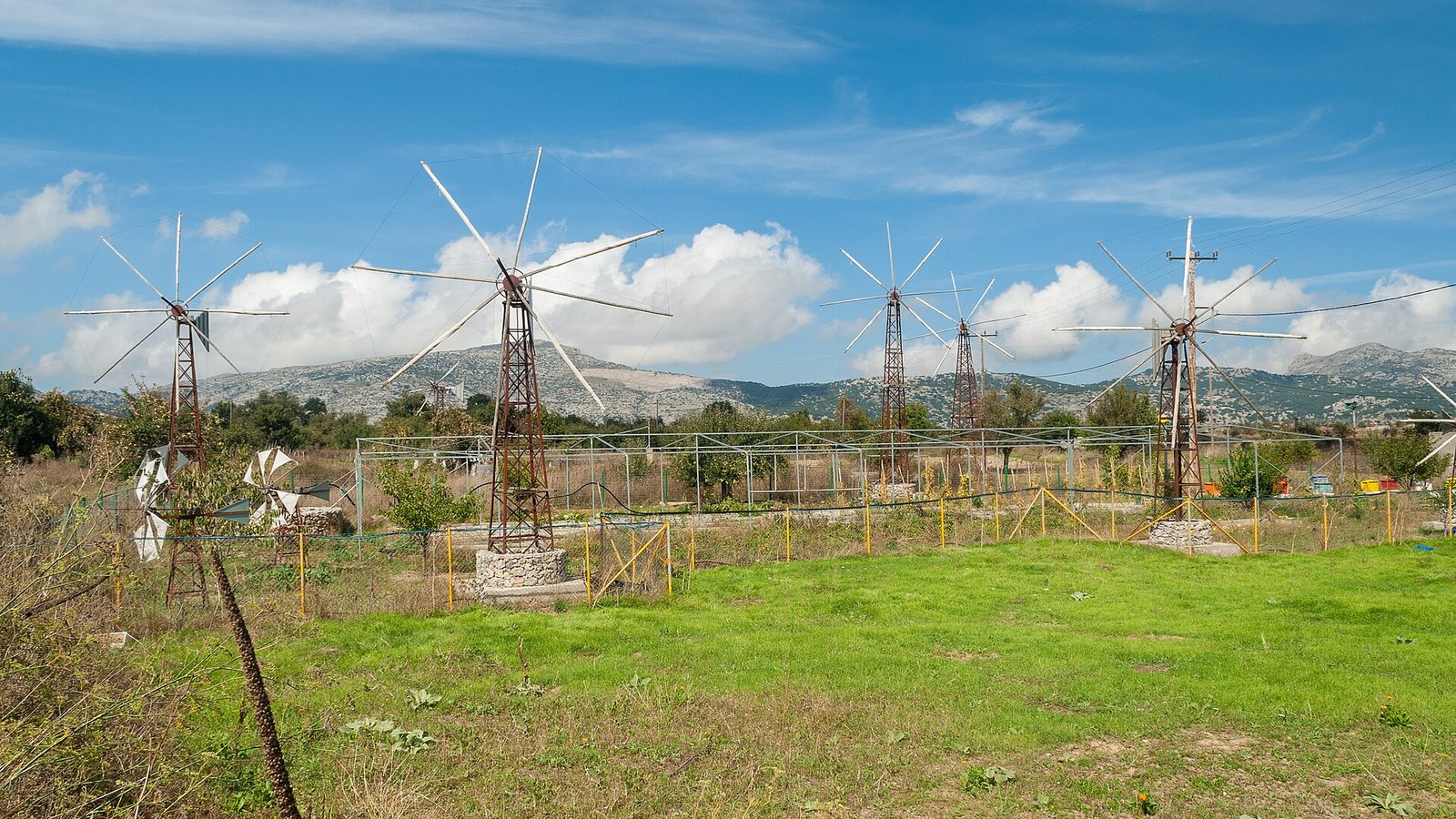
Thodoris Ninos, head of the Crete Development Organisation, said about 440 millimeters of rain fell on the Lasithi Plateau in two days, in an area that usually gets 700 to 900 millimeters a year, according to Euronews (opens in new tab). The National Observatory of Athens recorded 318 millimeters at Xyloskalo, at the entrance to the Samaria Gorge, by Saturday, Kathimerini (opens in new tab) reported.
Between Oct. 1 and midday Sunday, the fire service received 485 calls, carried out 96 pump-outs and moved 101 people to safety, Euronews (opens in new tab) reported, citing Greek fire-service figures. An 80-year-old livestock farmer who went missing in the Rethymno region was found dead, and authorities are investigating the circumstances. In Ierapetra, Mayor Manolis Frangoulis told AFP (opens in new tab) that cars had been washed into the sea; state broadcaster ERT reported that 23 people were trapped in their vehicles on the road to Sitia.
Eight national park workers remained stranded in a safe spot inside the Samaria Gorge after the trail turned into a torrent. Officials said they had food, medicine and communications and were told not to move until the water dropped, Euronews (opens in new tab) and Kathimerini (opens in new tab) reported. Euronews (opens in new tab), citing the local outlet Cretalive, said about 3,000 tonnes of potatoes and vegetables may have been destroyed on the Lasithi Plateau.
Greece’s civil protection authority activated the EU’s Copernicus emergency mapping service to assess flooded areas from satellite images, Euronews (opens in new tab) reported. An expanded government delegation, including the ministers for infrastructure and for climate crisis and civil protection, was due to visit Crete on Monday.