A University of Delaware–led team has demonstrated a lab-scale electrochemical carbon-capture device that pumps CO₂ across battery-like cells, reporting energy use near 0.8 megawatt-hours per ton — lower than the roughly 1.5–3 MWh/ton range cited for many current direct-air capture plants.
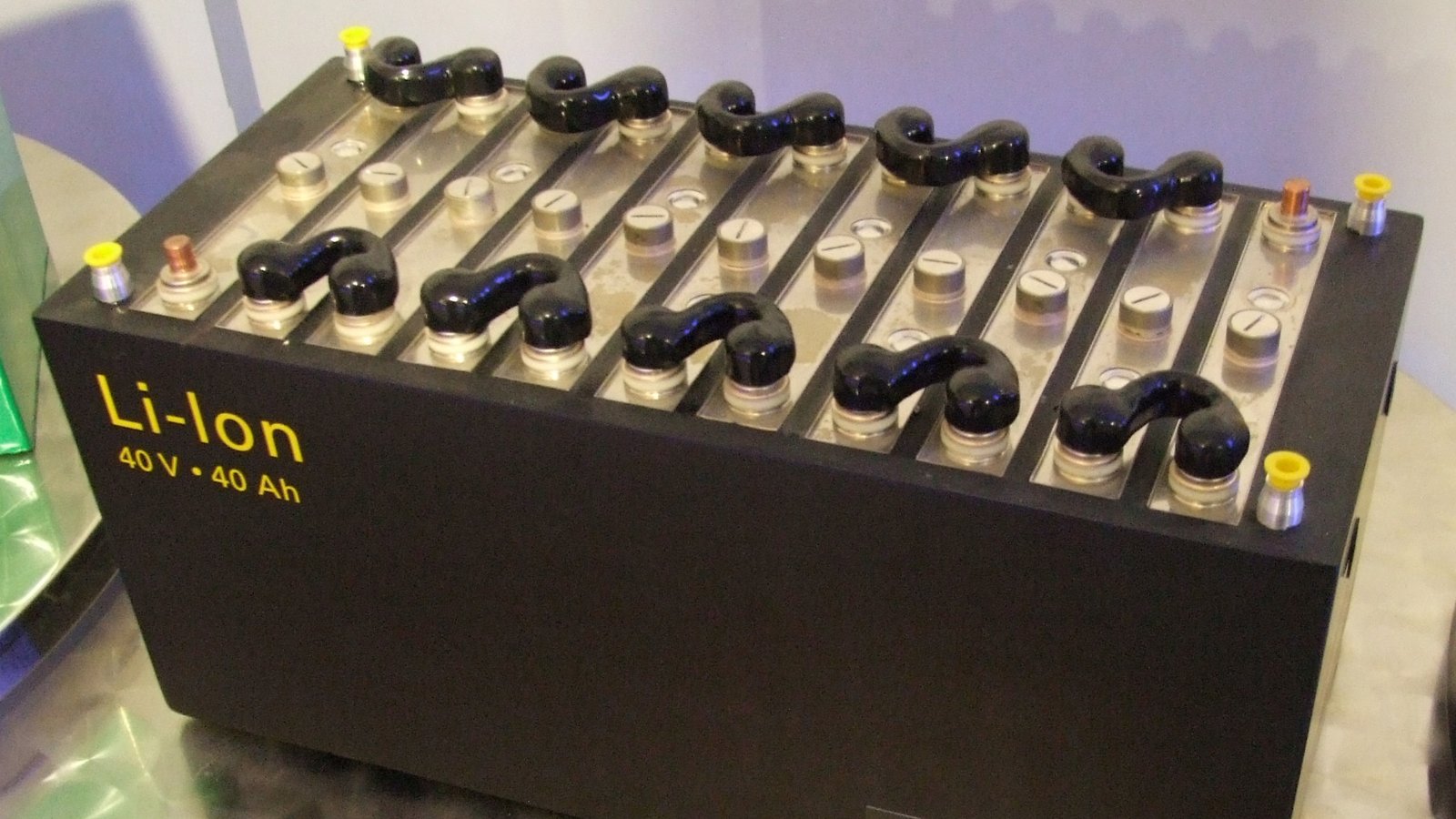
Writing in Nature Energy (published Sept. 22) and summarized by Ars Technica (opens in new tab), researchers led by James Buchen use nickel-hydroxide electrodes (chemically akin to older nickel-metal hydride cells) to generate hydroxide that binds CO₂ as carbonate/bicarbonate, which crosses a membrane and is released as concentrated CO₂ at the opposite electrode; reversing the voltage swaps the electrodes’ roles. A nine-cell stack with fuel-cell-style air channels served as the prototype.
Several authors are linked to startup RepAir Carbon. Their paper sketches an initial small pilot near $566 per ton of captured CO₂ and, applying lithium-ion industry learning rates, projects roughly $92 per ton at a plant a thousand times larger — below Climeworks’ public 2030 ambition of about $250–$350 per ton, though Ars notes such scaling forecasts often prove optimistic.
Electrochemical capture is one of several pathways racing toward the long-cited ~$100/ton adoption threshold. The work does not yet prove commercial durability, siting costs or full life-cycle emissions of the power supply — factors that will determine whether the lab advantage survives outside the bench.