Heat killed an estimated 50,391 people in 854 European cities from June through August, and 32,619 of those deaths were caused by the extra heat from human-caused climate change, according to an analysis by researchers at Imperial College London and the London School of Hygiene & Tropical Medicine. The Associated Press, reporting via NPR, said the study is due in an upcoming issue of Nature Health. The toll is 71% higher than the previous worst summer, 2022, which had 29,480 deaths.
The figures are modeled, not counted. The team combined observed temperatures with established heat–mortality relationships for each city and age group, then compared them with a simulated world without warming, the AP reported. The cities hold about 40% of the population of the 30 countries studied, and the count leaves out a deadly May heat wave, so the authors say the totals are underestimates. About one-third of the deaths came during a June 17–July 1 heat wave, when temperatures were 5.3C above normal, according to co-author Garyfallos Konstantinoudis.
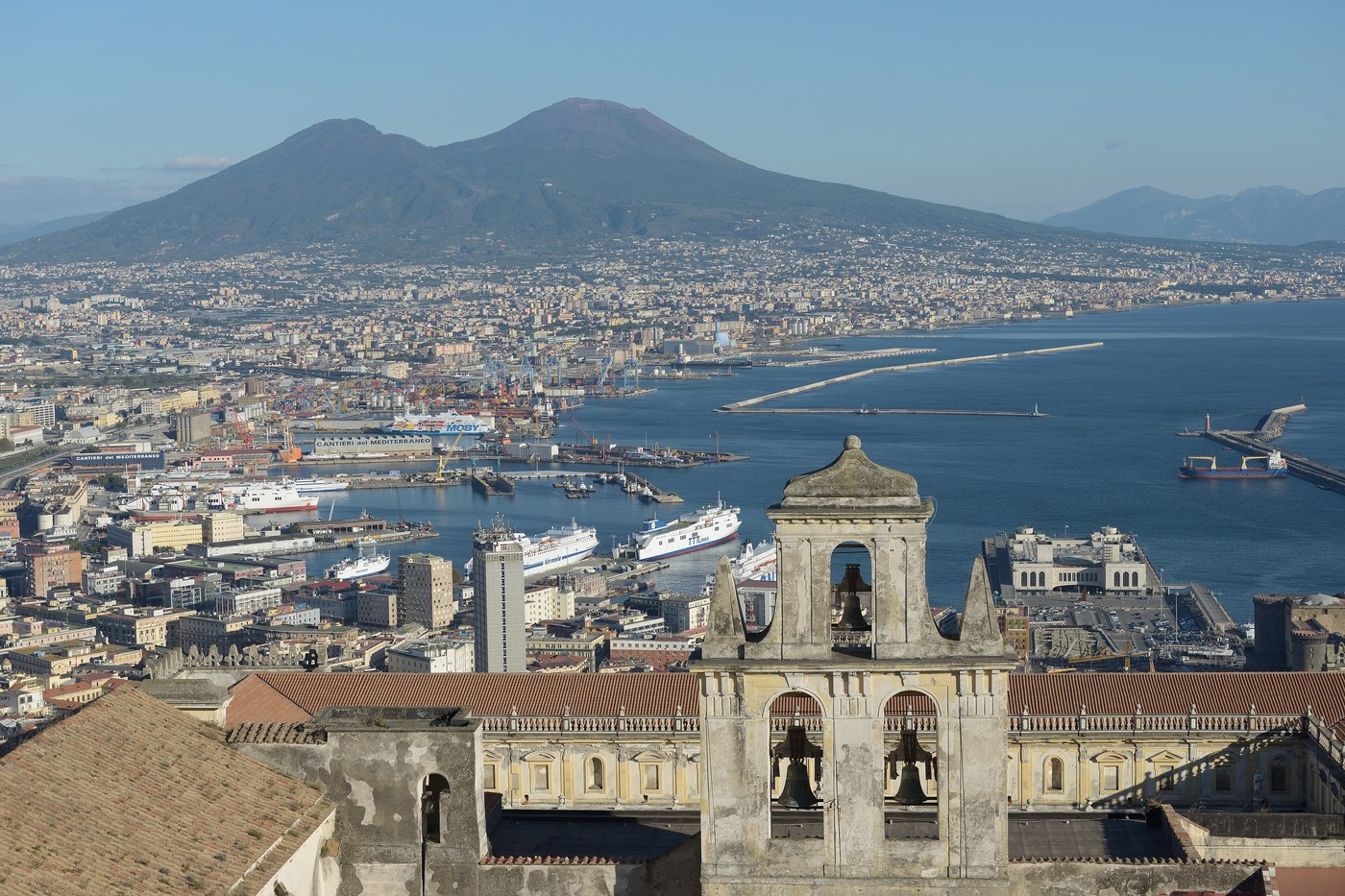
“These numbers are a stark reminder that our hotter, more extreme summers are having an increasingly severe impact on public health,” lead author Clair Barnes of Imperial said, according to Euronews (opens in new tab). The share of heat deaths attributed to climate change has risen from roughly 40% to 45% early this century to 65% this summer, according to the researchers. Naples had the highest death rate, The Guardian (opens in new tab) reported, while Italy, France, Spain, Germany and the UK had the largest totals.
Outside experts quoted by the AP called the methods state-of-the-art. David García-García of Spain’s Carlos III health institute told The Guardian (opens in new tab) the work was a “valuable contribution” but noted the estimates “do not incorporate actual data on deaths occurring in the summer of 2026.” Many European countries have yet to release final figures for this summer, Euronews (opens in new tab) reported.