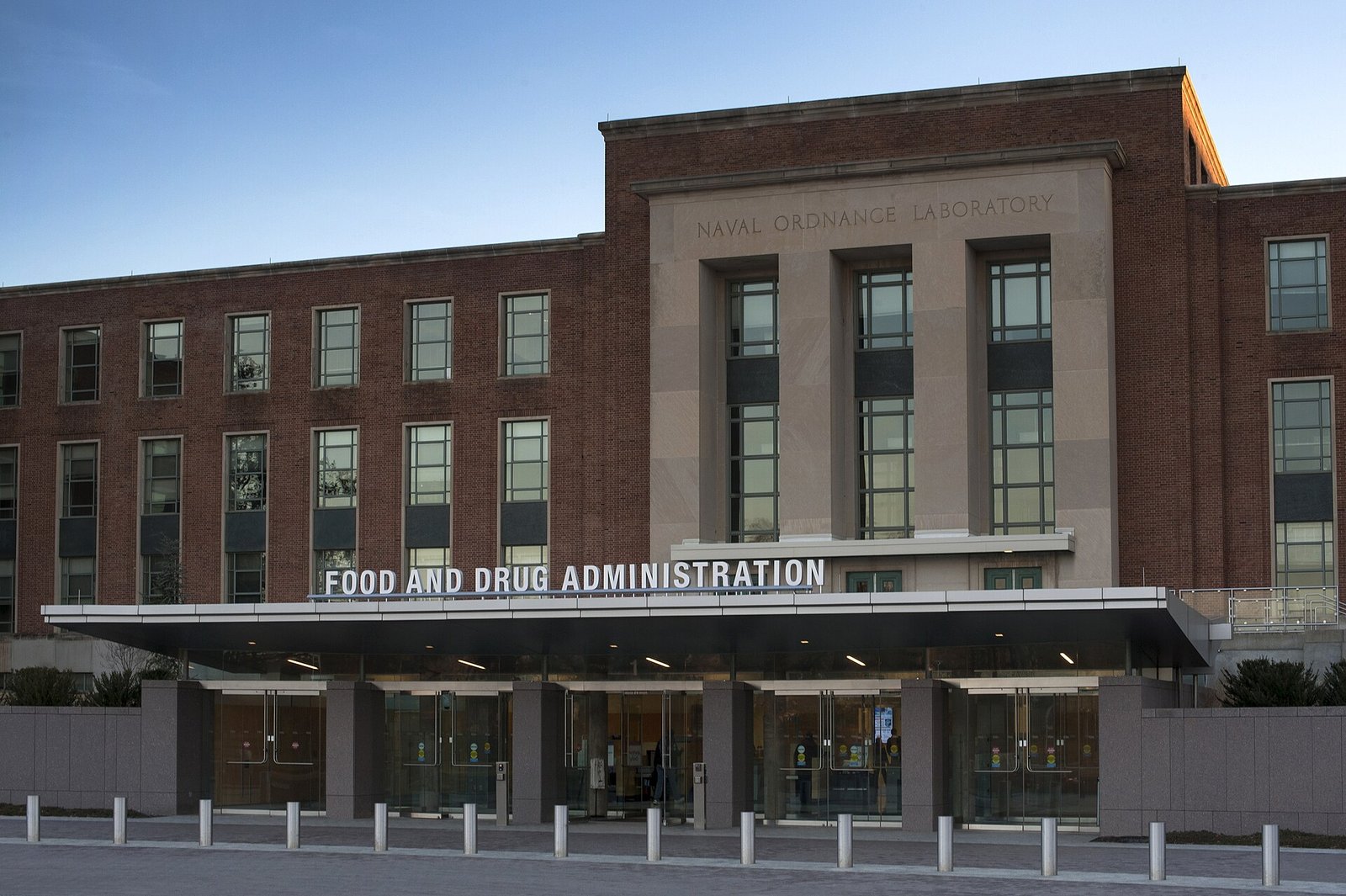
The U.S. Food and Drug Administration (opens in new tab) on Monday, Oct. 5, announced a request for information describing approaches it is considering for early-phase clinical trials of ibogaine drug products, a plant-derived psychoactive drug, and asked for public comment on them, the agency said.
The request seeks comments, data and information on dose selection and escalation, care setting, safety monitoring, eligibility criteria, stopping rules and safety oversight. It does not approve ibogaine for any use. “FDA has made no final determination as to the characteristics that would allow a trial of an ibogaine drug product to proceed, and it must evaluate whether each IND is supported by adequate scientific justification,” the agency wrote in its Federal Register notice, referring to investigational new drug applications.
The FDA said its preliminary thinking includes “small, sequential dose-ascending groups and a starting dose justified by available data and not exceeding 10 mg/kg.” The notice describes an initial, open-label trial in which small groups of participants each receive a single dose, conducted in an inpatient unit equipped to manage a life-threatening arrhythmia, which would likely include continuous heart rhythm monitoring and a defibrillator at the bedside, according to the notice and RAPS’ Regulatory Focus.
The agency pointed to concerns raised in past studies about prolongation of the heart rate-corrected QT (QTc) interval and the associated risk of life-threatening arrhythmia, as well as neurotoxicity seen in nonclinical studies, RAPS reported. Under the scenario the FDA is considering, dosing would be paused for review if, among other things, a participant has a sustained ventricular arrhythmia or a seizure, QTc prolongation above 500 milliseconds persists for more than two days, or a participant develops new suicidal thoughts or behavior after the drug’s acute effects wear off. Potential participants could be adults ages 18 to 55 who have stopped taking psychiatric medications, the notice says.
“Patients facing serious conditions that have not responded to existing treatments deserve rigorous scientific investigation of promising new approaches,” said Dr. Michael Davis, director of the FDA’s Center for Drug Evaluation and Research. “With ibogaine, there are important scientific questions as well as serious safety concerns. We are seeking high-quality data and input that can help inform clinical research while putting patient safety first.”
The FDA said the request is its latest step under President Trump’s April 2026 executive order on Accelerating Medical Treatments for Serious Mental Illness. The Department of Health and Human Services is prioritizing adults with opioid use disorder and adults with post-traumatic stress disorder for federally supported ibogaine research; the Advanced Research Projects Agency for Health is funding a program to collect safety and efficacy data through early-phase clinical trials, and the National Institute on Drug Abuse is funding research on ibogaine for opioid use disorder, the agency said. The FDA has also allowed an early-phase study of noribogaine hydrochloride, an ibogaine derivative, for alcohol use disorder; Applied Clinical Trials (opens in new tab) identified the sponsor as DemeRx NB.
Peter Pitts, a former FDA associate commissioner who now heads the Center for Medicine in the Public Interest, told RAPS that “the FDA’s call for public input is the right way to proceed,” and said administration officials with potential financial interests in ibogaine should recuse themselves from any HHS or FDA interactions.
Comments can be submitted at regulations.gov under Docket No. FDA-2026-N-10429. The comment period closes Friday, Nov. 20, 2026, the FDA said; the notice is scheduled for publication in the Federal Register on Oct. 6.