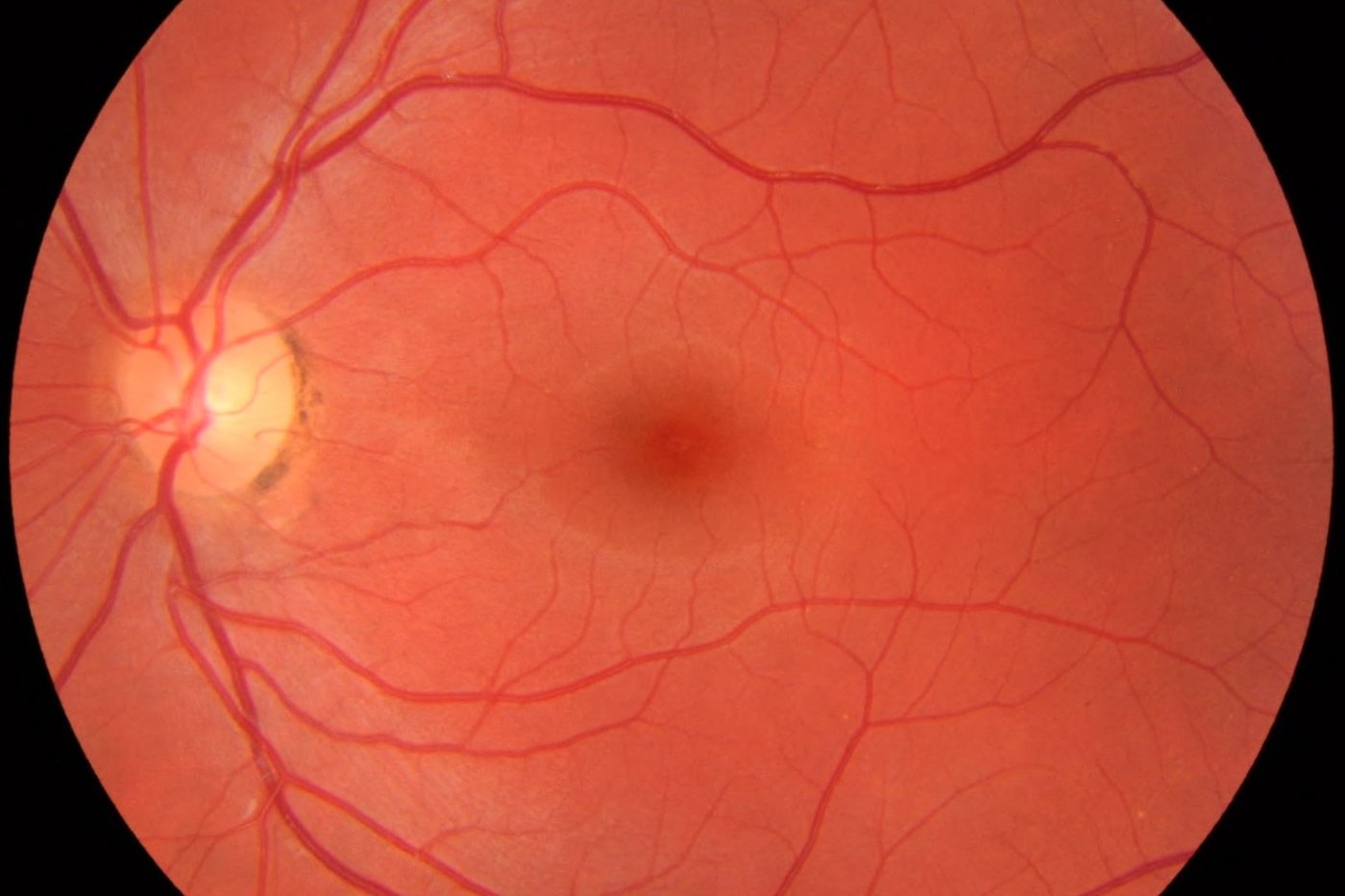
The U.S. Food and Drug Administration (opens in new tab) said on Monday it is requiring makers of all GLP-1 receptor agonist drugs to add a warning about a potential increased risk of non-arteritic anterior ischemic optic neuropathy, or NAION, a rare condition that can cause sudden, painless vision loss in one eye, sometimes permanently. The drugs are used for type 2 diabetes and weight loss.
The requirement covers the whole class, including Novo Nordisk's Ozempic and Wegovy and Eli Lilly's Mounjaro and Zepbound, NBC News (opens in new tab) reported. The FDA said NAION cases have been reported with all currently marketed GLP-1 drugs. Spokespeople for Novo Nordisk and Lilly told NBC News (opens in new tab) that patient safety is their top priority.
The FDA said its analysis of 126 clinical trials found 6.4 NAION cases per 100,000 person-years among patients on GLP-1 drugs, compared with 3.8 among those on placebo or other glucose-lowering drugs. In its own real-world study, it found no statistically significant increase versus SGLT-2 inhibitors, another diabetes drug class, but did find a higher risk versus DPP-4 inhibitors. The agency said animal data did not show a mechanism and that NAION risk factors such as diabetes, high blood pressure and sleep apnea overlap with conditions common in GLP-1 users.
The FDA told patients to contact a health professional right away if they notice sudden vision loss, blurred or missing parts of vision, or color changes, and said those who have had NAION should discuss with their doctor whether to keep taking the drug. The review began after a 2024 JAMA Ophthalmology study linked semaglutide to NAION, the agency said.