Hillsborough, Pasco and Pinellas counties have declared local states of emergency over dengue fever, giving officials quicker access to emergency money, contracts and mutual aid as they try to curb the mosquitoes spreading the virus around Tampa Bay.
Hillsborough County Administrator Bonnie Wise signed an executive order that took effect Sept. 24. The order lets the county seek state, federal and local emergency funds and mutual aid and waive formal purchasing rules to secure mosquito-control supplies, and WFLA (opens in new tab) reported that the county said it also opens a path to federal reimbursement for some costs. Pasco declared an emergency a day earlier as a preventive step, and Pinellas commissioners approved Resolution 26-76 on a 7-0 vote on Sept. 24, according to WUSF and the county. Such orders last seven days unless extended or rescinded, and the Pinellas resolution lets its county administrator renew it as many times as needed.
Hillsborough is the outbreak’s center, and its case count depends on which weekly state report is cited. The county’s emergency order cites 134 confirmed cases as of Sept. 17, matching the Florida Department of Health report for Sept. 6–12. The Pinellas resolution lists the same 134 in Hillsborough, plus 7 in Pinellas and 2 in Pasco, with 21 more possible cases under investigation, and The Guardian (opens in new tab) also cited 134. The state’s next weekly report, covering Sept. 13–19, put Hillsborough at 170 of Florida’s 190 locally acquired cases since the outbreak began in July, the figure WFLA (opens in new tab) and WUSF reported. Officials have confirmed one dengue death in Hillsborough, an 80-year-old woman bitten near her South Tampa home, which WUSF described as the region’s first dengue death in about a century.
Statewide totals also differ. The state’s latest weekly report counts 190 locally acquired and 212 travel-related cases so far in 2026, while the CDC listed 392 Florida cases as of Monday, with different county-level figures, The Guardian (opens in new tab) reported. The Guardian (opens in new tab) did not report a reason for that difference.
Pasco and Pinellas officials said their emergencies were preventive. “There is really no reason to be alarmed at this point,” Pasco health department administrator Trang Chitakone said at a news conference, while urging residents to help prevent spread. Adriene Rogers, executive director of the Pasco Mosquito Control District, said the outbreak demands a regional response and that government cannot treat every backyard. Hillsborough has increased aerial and ground spraying, and officials across the region are asking residents to empty standing water, where the mosquitoes breed.
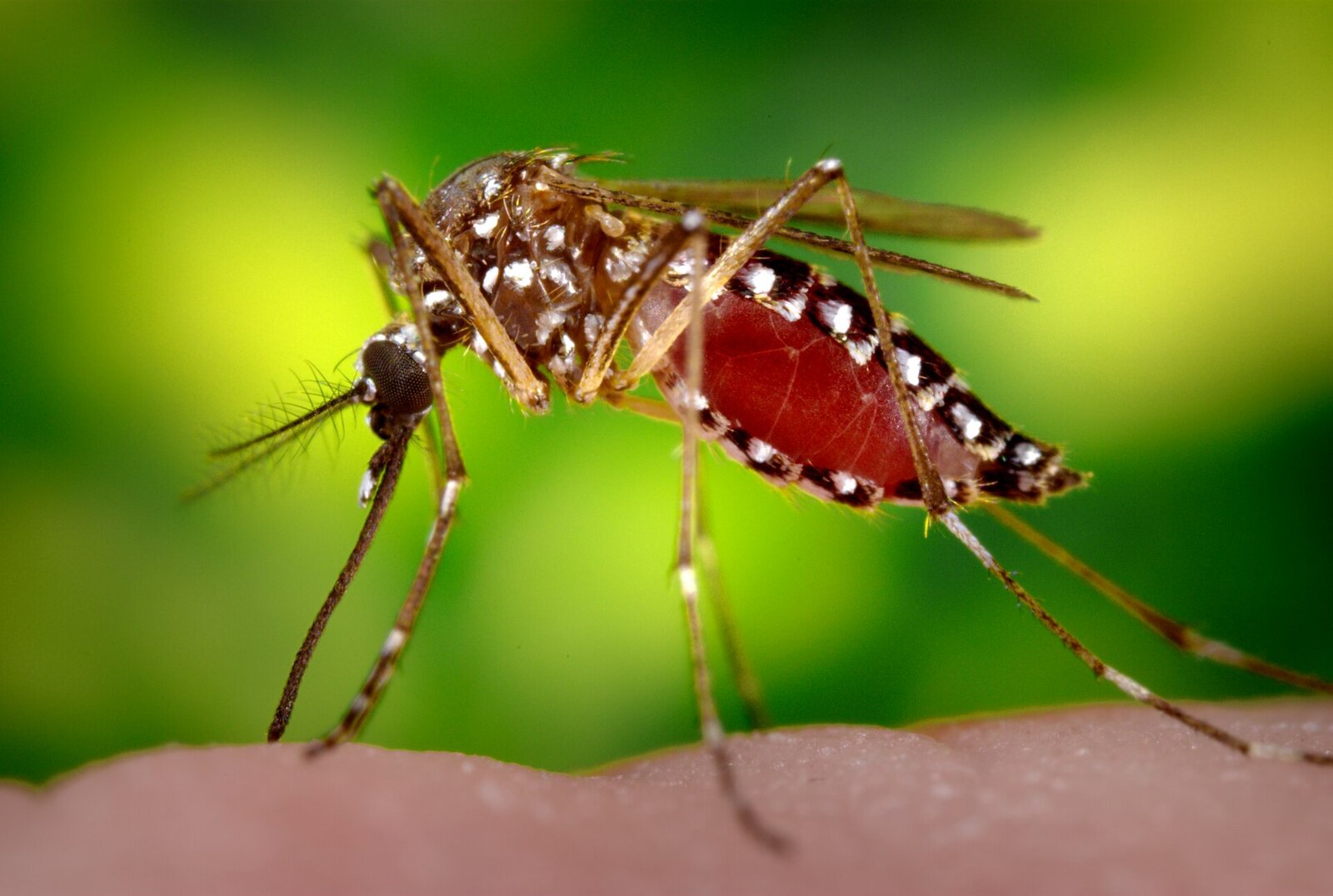
Dengue spreads mainly through bites from Aedes aegypti and Aedes albopictus mosquitoes, both found in Florida. Symptoms can include sudden fever, severe headache, eye pain and muscle and joint pain, and a rarer severe form can be fatal without proper supportive care, according to the state health department. Hillsborough officials have voiced hope that infections may slow, citing recent mosquito test pools that came back negative, The Guardian (opens in new tab) reported, citing Bay News 9.