French health and agriculture authorities said Thursday that a severely immunocompromised patient treated for a serious illness at the Hospices Civils de Lyon had been infected with Shamonda virus, the first documented human infection with the livestock virus. The patient died in early October, the agriculture ministry said, in a statement also reported by the BBC and Al Jazeera.
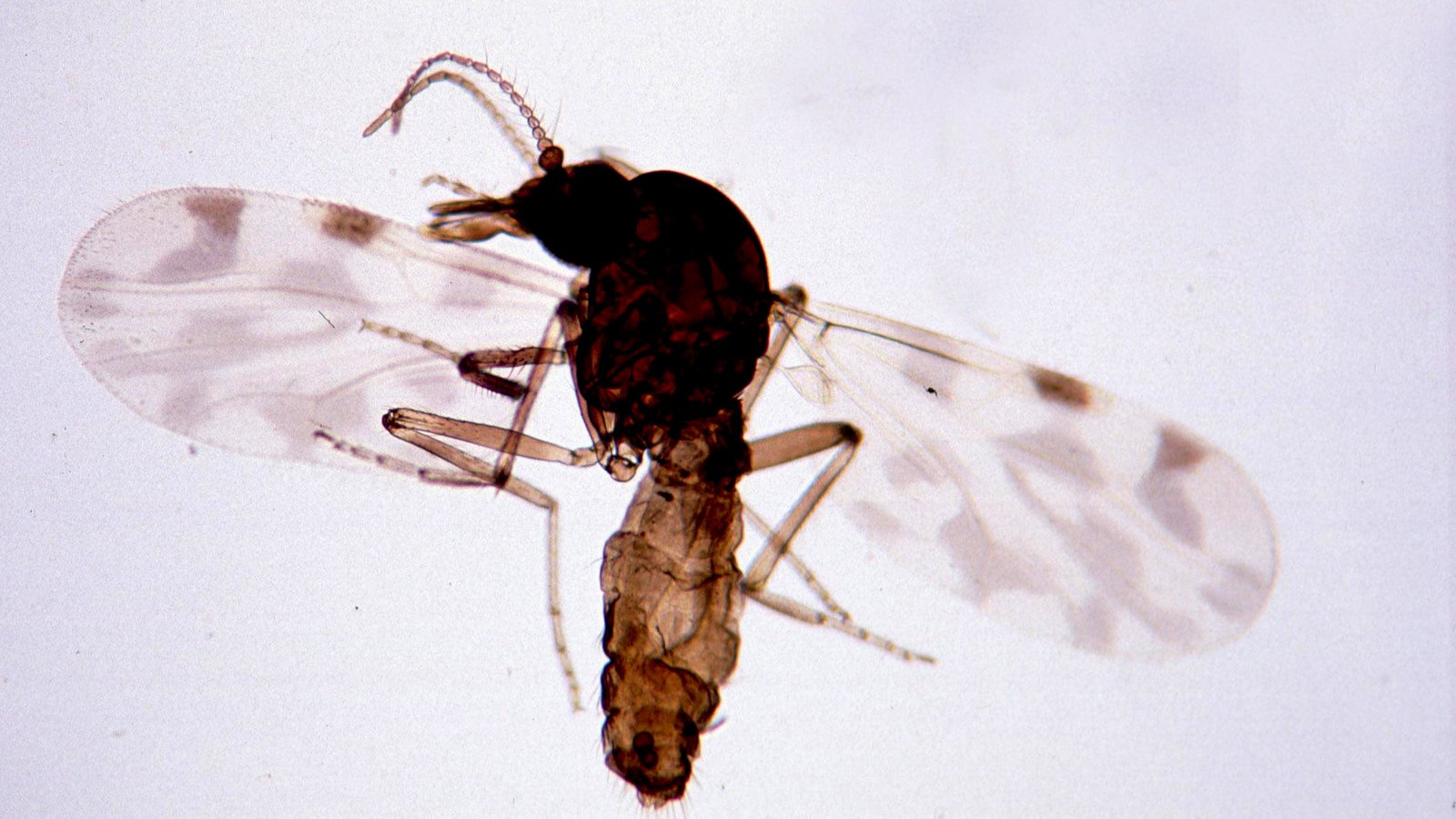
Shamonda is an orthobunyavirus transmitted to animals, mainly cattle, by biting midges of the genus Culicoides, according to the ministry. It was first detected in Nigeria in the mid-1960s and has been reported sporadically in cattle in Africa and Japan. It was identified in Europe for the first time in summer 2026; Al Jazeera reported it was first confirmed in late July in sick cattle in southern Germany, Switzerland and eastern France and has since been detected in several other European countries.
Investigators’ leading hypothesis is that the patient was infected by a midge bite in eastern France, where the virus circulated in animals in spring and summer, the ministry said. Initial findings indicate brain complications before death were “very likely linked” to the virus, the BBC reported. Officials called it an “exceptional case in a severely immunocompromised patient” and said no risk to the general population has been identified.
The World Health Organization confirmed it was the first documented human case and said current information suggested the case was isolated and “unlikely to lead to wider spread at this time,” adding that “Transmissibility of midge-borne viruses also generally declines during the cooler months of the year,” according to the BBC. The European Centre for Disease Prevention and Control said it was working with French and European partners to investigate potential public health implications.
Clinical, biological and epidemiological investigations are continuing, French authorities said. In cattle, Shamonda infection can cause fever, diarrhoea and reduced milk production, the BBC reported.