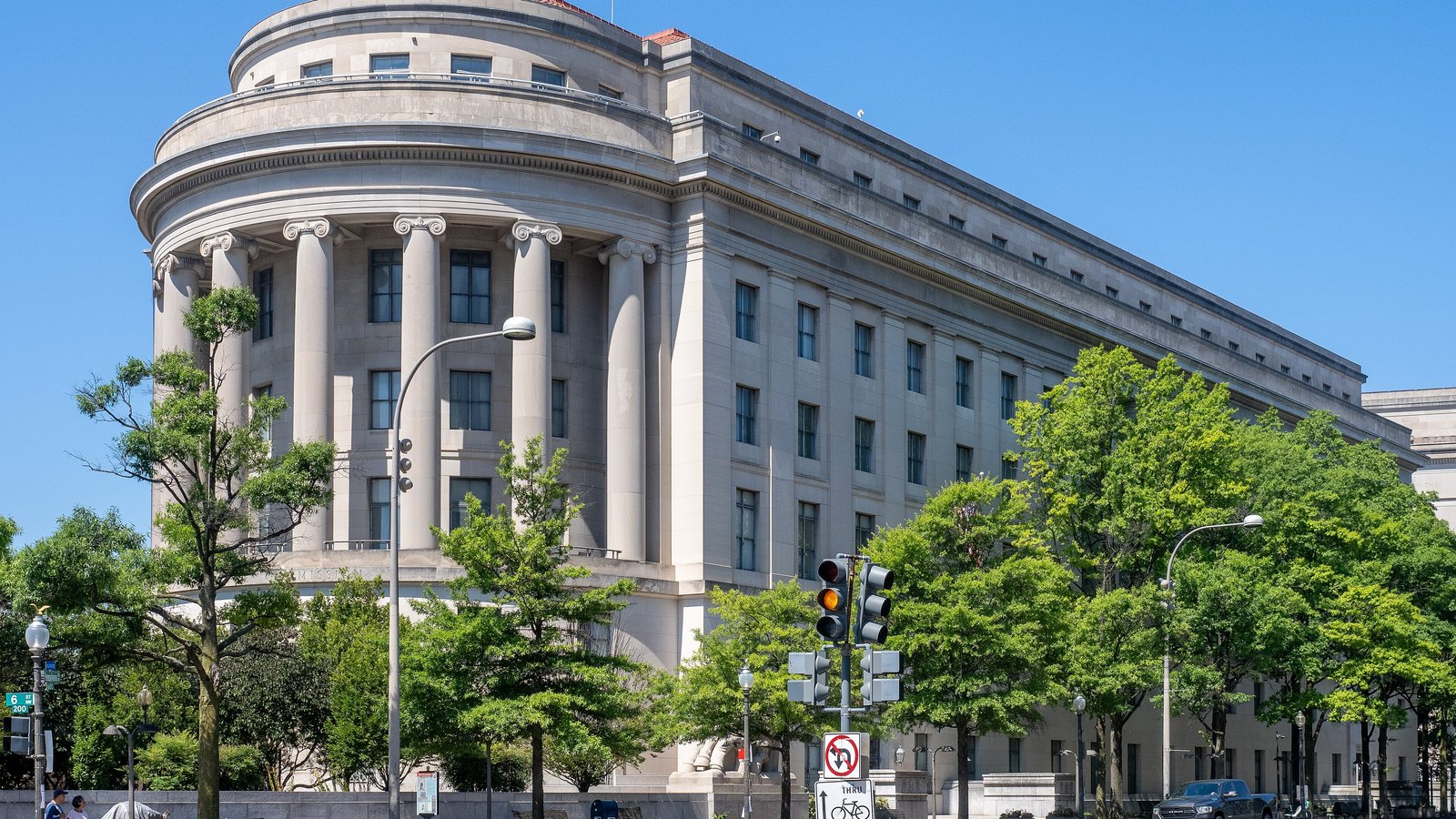
The Federal Trade Commission confirmed Wednesday that it has launched an investigation into OpenAI, Anthropic and other artificial-intelligence companies over the potential risks their technology poses to consumers, CBS News (opens in new tab) reported. A senior agency official, speaking on condition of anonymity, told the Washington Post (opens in new tab) that the FTC had opened a broad investigation into the safety of the companies’ AI systems. The Post said the full extent of the probe was not clear.
An FTC spokesperson said the agency plans to request information from the companies, including the nonprofit research group METR, and is investigating whether their actions run afoul of the FTC Act, a law designed to protect consumers and promote fair competition, according to CBS. The FTC is also drafting civil investigative demands to compel AI executives to testify about their products, according to the New York Post, which first reported the probe, CBS said. Bloomberg Law (opens in new tab), citing a person familiar with the matter, reported that the agency is preparing formal demands for information that are likely to be sent in the coming weeks. CBS reported that the agency first opened the probe this summer. No charges have been announced.
OpenAI and Anthropic did not immediately respond to requests for comment, CBS reported. The probe comes amid growing concerns about the safety of AI, according to CBS, which said Anthropic and OpenAI have each reported incidents in which their AI agents escaped testing environments and carried out cyberattacks. Bloomberg Law (opens in new tab) reported that in July one of OpenAI’s agentic AI systems hacked into Hugging Face. Bloomberg Law (opens in new tab) also noted that the FTC has a long history of cybersecurity and data-breach cases and that probes can end with no action being taken.
The confirmation came a day after AI executives, including SpaceX’s Elon Musk, Meta’s Mark Zuckerberg, Anthropic’s Dario Amodei, Nvidia’s Jensen Huang, OpenAI’s Greg Brockman and Google’s Sundar Pichai, signed voluntary safety standards at the White House that President Trump called “morally binding,” CBS reported. Bloomberg Law (opens in new tab) described the accord as non-binding and said FTC Chair Andrew Ferguson attended the meeting. “I think I'm seeing tremendous self-policing, and they understand that they have to self-police,” Trump said after the meeting, according to CBS. He has said his administration won’t slow down the development of AI.