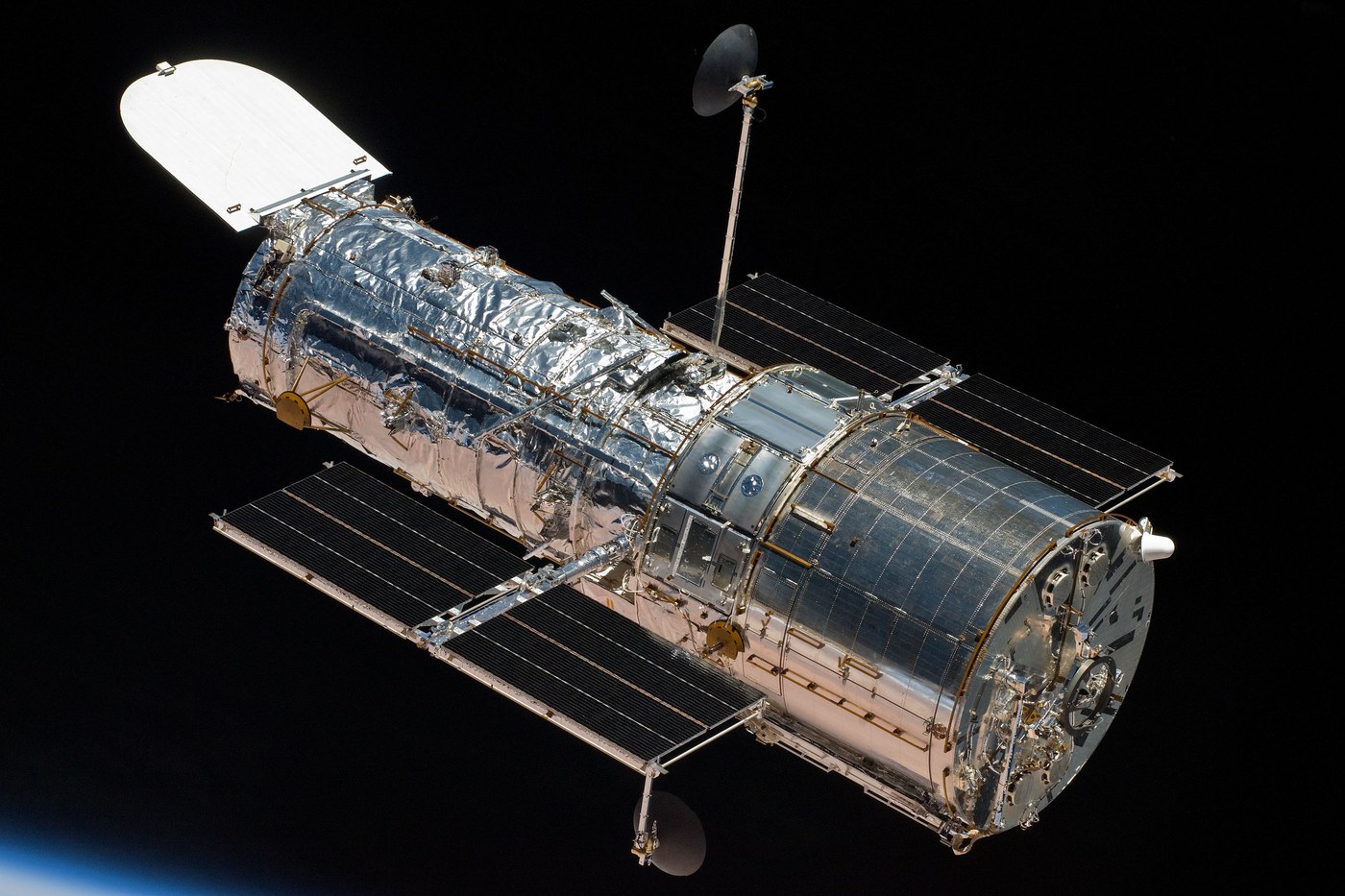
A study using the Hubble Space Telescope suggests that supernova explosions may have done less than often assumed to help ionizing light escape from early galaxies, and may even have hindered it, according to a paper published Oct. 15 in Nature Astronomy (opens in new tab) and releases from Johns Hopkins University and the University of Minnesota.
Astronomers think radiation from the first galaxies reionized hydrogen gas across the early universe. One common idea is that supernova-driven winds clear paths through surrounding gas, so that ionizing (Lyman continuum) light can escape. The team studied six nearby galaxies as stand-ins for early ones. They found that escape peaks very early, within about 3 million years of a burst of star formation, and is then suppressed during roughly the first 10 million years, the paper says.
“It appears that energy input from supernovae has stirred up the surroundings and increased, rather than decreased, the coverage of neutral gas and dust that suppresses ionizing radiation escape,” said Stephan McCandliss of Johns Hopkins, according to the university. “Our observations show that these photons are escaping before galactic winds form,” said co-author Cody Carr, according to the release.
Nearly 30 researchers contributed to the work, according to Johns Hopkins. The sample is small and drawn from the nearby universe, so whether the pattern holds for the earliest galaxies remains to be tested.