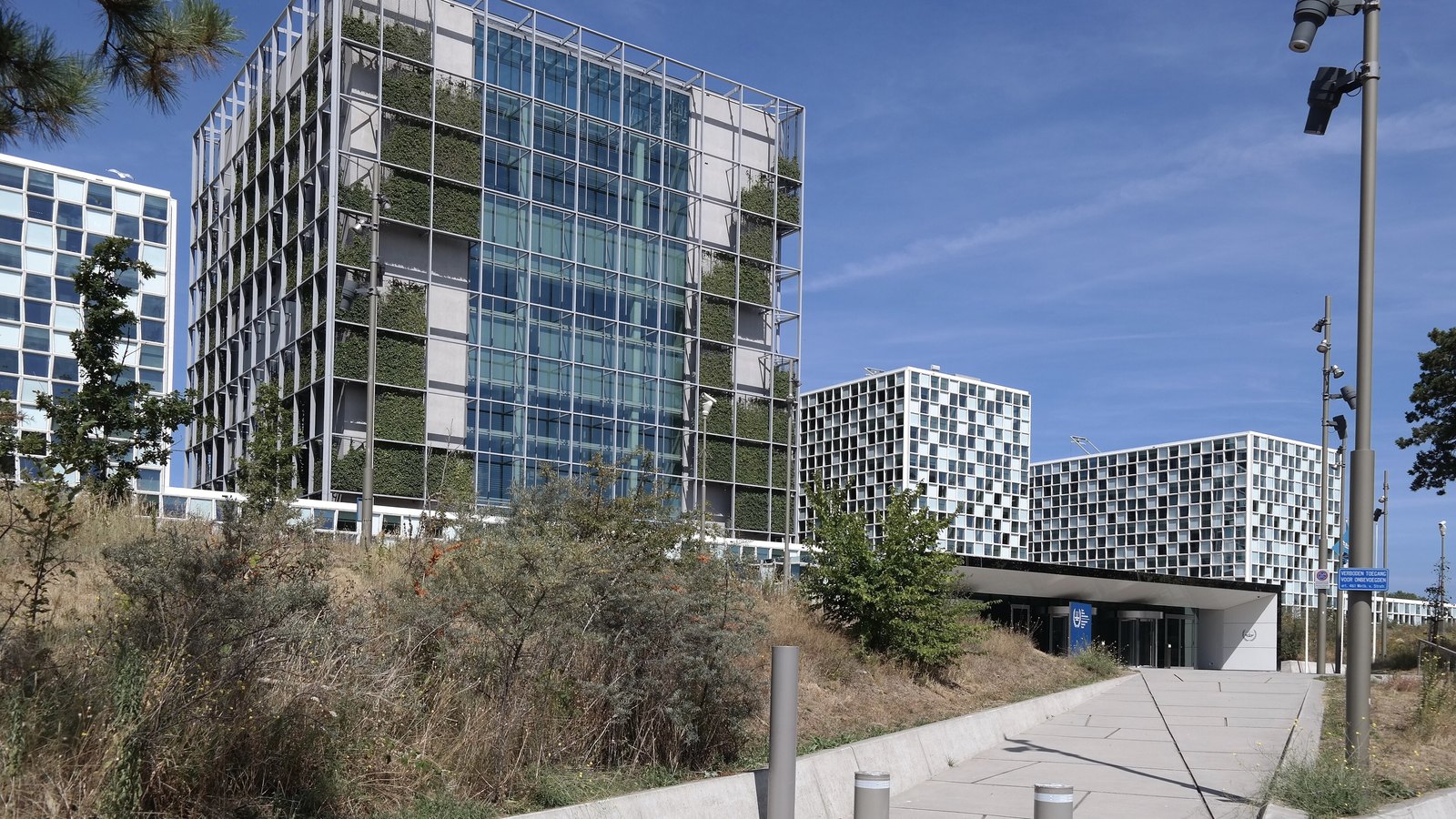
The International Criminal Court (opens in new tab) on Monday made public arrest warrants for four senior Taliban figures, accusing them of persecuting women, girls and others in Afghanistan on gender and political grounds, a crime against humanity under the Rome Statute. The suspects are Taliban supreme leader Haibatullah Akhundzada, Chief Justice Abdul Hakim Haqqani, Education Minister Habibullah Agha and Higher Education Minister Neda Mohammad Nadim, according to UN News and the Associated Press.
The warrants were issued between July and September 2025, UN News reported. The court had disclosed in July 2025 that warrants existed for Akhundzada and Haqqani but kept their contents sealed; the warrants for Agha and Nadim were issued secretly that September, Courthouse News (opens in new tab) reported. Judges found reasonable grounds to believe all four ordered, induced or solicited persecution.
According to the court, the persecution was carried out against “girls, women and other persons nonconforming with the Taliban’s policy on gender, gender identity or expression; and on political grounds against persons perceived as ‘allies of girls and women,’” AP reported. UN News said the court found the crimes were committed from Aug. 15, 2021, when the Taliban took power, until at least Jan. 20, 2025.
The judges said Taliban decrees and edicts deprived girls and women of rights to education, privacy and family life and of freedoms of movement, expression, thought, conscience and religion. Courthouse News (opens in new tab), citing the published warrants, reported that girls were barred from schooling beyond sixth grade and that women needed male guardians to travel more than about 45 miles. The judges linked the policy to murder, imprisonment, torture, rape and enforced disappearance.
Taliban government spokesman Zabihullah Mujahid rejected the court’s authority. “We are bound by the rulings of Islamic Sharia and its courts, not by intelligence entities or so-called courts,” he said in a statement reported by WION (opens in new tab). The ICC has no police force and relies on member states to carry out arrests, so the prospect of any of the four being detained is remote, AP reported.