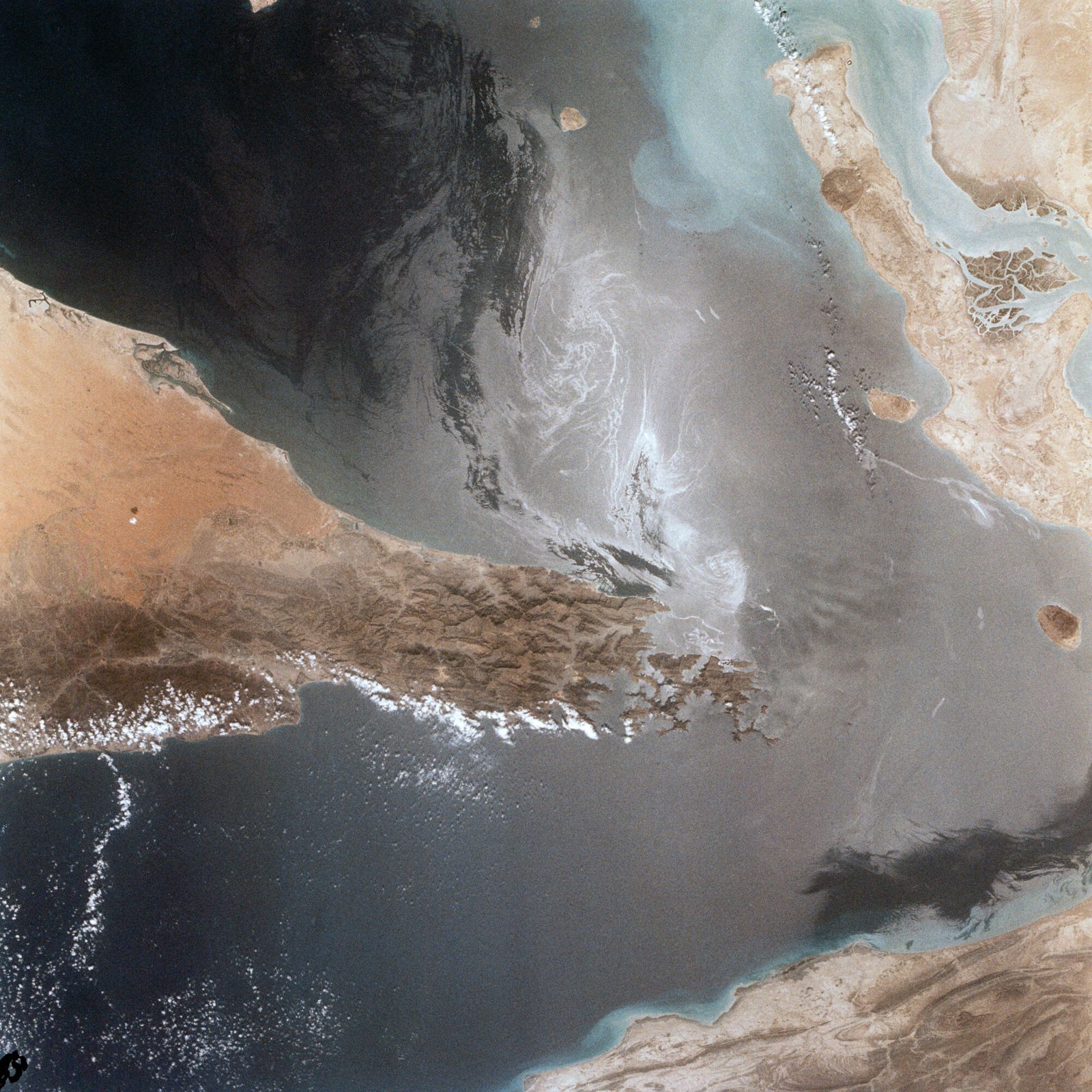
Iranian Foreign Minister Abbas Araghchi met Qatari mediators in New York on Monday to push a proposal tying reopening of the Strait of Hormuz to U.S. steps on frozen funds, oil sanctions and the naval blockade of Iranian ports, as Washington insisted nuclear issues remain central to any end to the seven-month war.
Al Jazeera (opens in new tab) and CNBC (opens in new tab) report Tehran’s framework, unveiled at last week’s U.N. General Assembly, calls for a four- to five-day U.S. timeline on funds and sanctions, with nuclear talks starting within seven days. Araghchi said he expected a Washington reply and would return to Tehran once Qatar delivered it. President Donald Trump rejected the plan over the weekend as “unacceptable,” while telling reporters Monday that U.S. officials had spoken with mediators and that “we’re going to win.”
A U.S. official speaking to Al Jazeera (opens in new tab) called indirect talks “positive and constructive” but said there would be no agreement unless Iran’s nuclear program is addressed. A U.S. official gave Fox News (opens in new tab) Channel the same “positive and constructive” description and said no deal would come unless the nuclear issue is addressed. The official who spoke to Al Jazeera (opens in new tab) said Trump is willing to ease sanctions and release frozen funds in exchange for nuclear progress, and that the sides still disagree on sequencing; officials gave Fox News (opens in new tab) and The Jerusalem Post (opens in new tab) similar accounts of a possible offer. Trump disputed the reported offer in a Truth Social post quoted by The Jerusalem Post (opens in new tab), calling an Axios report that he had offered sanctions relief and frozen funds untrue and writing, “I offered them NOTHING!” Three regional officials and a senior U.S. official separately told the Associated Press that the U.S. had not formally rejected the proposal under discussion, suggesting Trump’s public comments may have been a negotiating tactic.
Commodity trackers say Middle East crude exports have rebounded this month to about their highest level since the February conflict began — near 80% of pre-war volumes, according to Kpler cited by CNBC (opens in new tab) — even as Hormuz clearances remain far below baseline. CNBC (opens in new tab) reports U.S. retail diesel prices are hovering near a record high of $6.53 a gallon as the Trump administration again weighs a diesel export ban.
The strait handled roughly a fifth of global oil and gas trade before Iran restricted traffic after the U.S.-Israel offensive began. Shipping and insurance risk remain elevated while diplomacy proceeds through intermediaries.