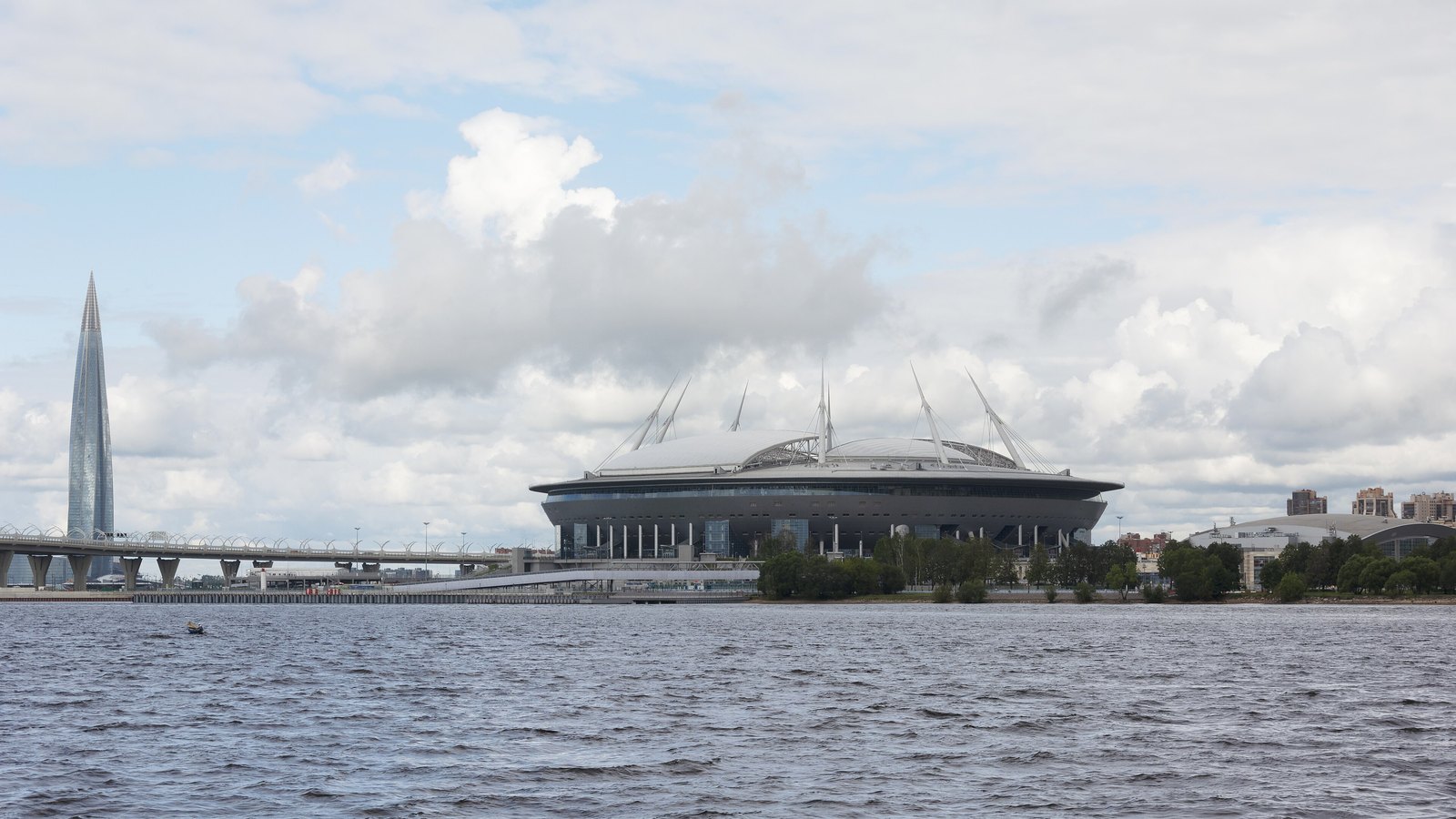
Kanye West’s concerts at St. Petersburg’s Gazprom Arena, planned for Oct. 10 and 11, have been cancelled, the Moscow-based organizer Say Agency confirmed, according to Euronews (opens in new tab). The shows would have made the rapper, who goes by Ye, the biggest Western act to play in Russia since 2022, Euronews (opens in new tab) reported.
Say Agency said refunds for purchased tickets will be available. The stadium had earlier said it would not host West because no rental agreement had been signed, a statement the agency had disputed. Say Agency did not elaborate on the reasons for the cancellation, according to Euronews (opens in new tab).
Russian media reported that the decision was made by the authorities, Euronews (opens in new tab) said. According to those reports, the organizers began selling tickets before obtaining the necessary approval, and the cancellation followed “a call from Moscow.” The newspaper Kommersant, citing an anonymous source, reported that the authorities are investigating the organizers for alleged fraud. The St. Petersburg outlet Fontanka had earlier reported that the concerts had not received all the necessary approvals and would be called off after a “call from above” in Moscow.
The booking drew opposition from some Russian politicians who want to rid the country of Western influence, Euronews (opens in new tab) reported, including conservative lawmaker Vitaly Milonov, who suggested in a video statement that West perform traditional Russian songs instead. “Maybe after that he’ll stop his disgusting antics and become a normal person,” Milonov said. Other Russian politicians had hailed West’s planned visit as a victory against “anti-Russian hysteria,” according to Euronews (opens in new tab).
West, who Euronews (opens in new tab) said has been barred from several European countries, began making antisemitic remarks in 2022, and in 2025 he started selling swastika T-shirts and released a song titled “Heil Hitler,” Euronews (opens in new tab) reported. Earlier this year he apologized in a full-page Wall Street Journal ad, citing a “four-month-long manic episode of psychotic, paranoid and impulsive behaviour.”