The 2026 Nobel Prize in Physiology or Medicine has been awarded jointly to Karl Deisseroth of the Howard Hughes Medical Institute and Stanford University, Peter Hegemann of Humboldt University of Berlin and Georg Nagel of the University of Würzburg “for their discoveries concerning light-gated ion channels and optogenetics,” the Nobel Assembly at Karolinska Institutet said.
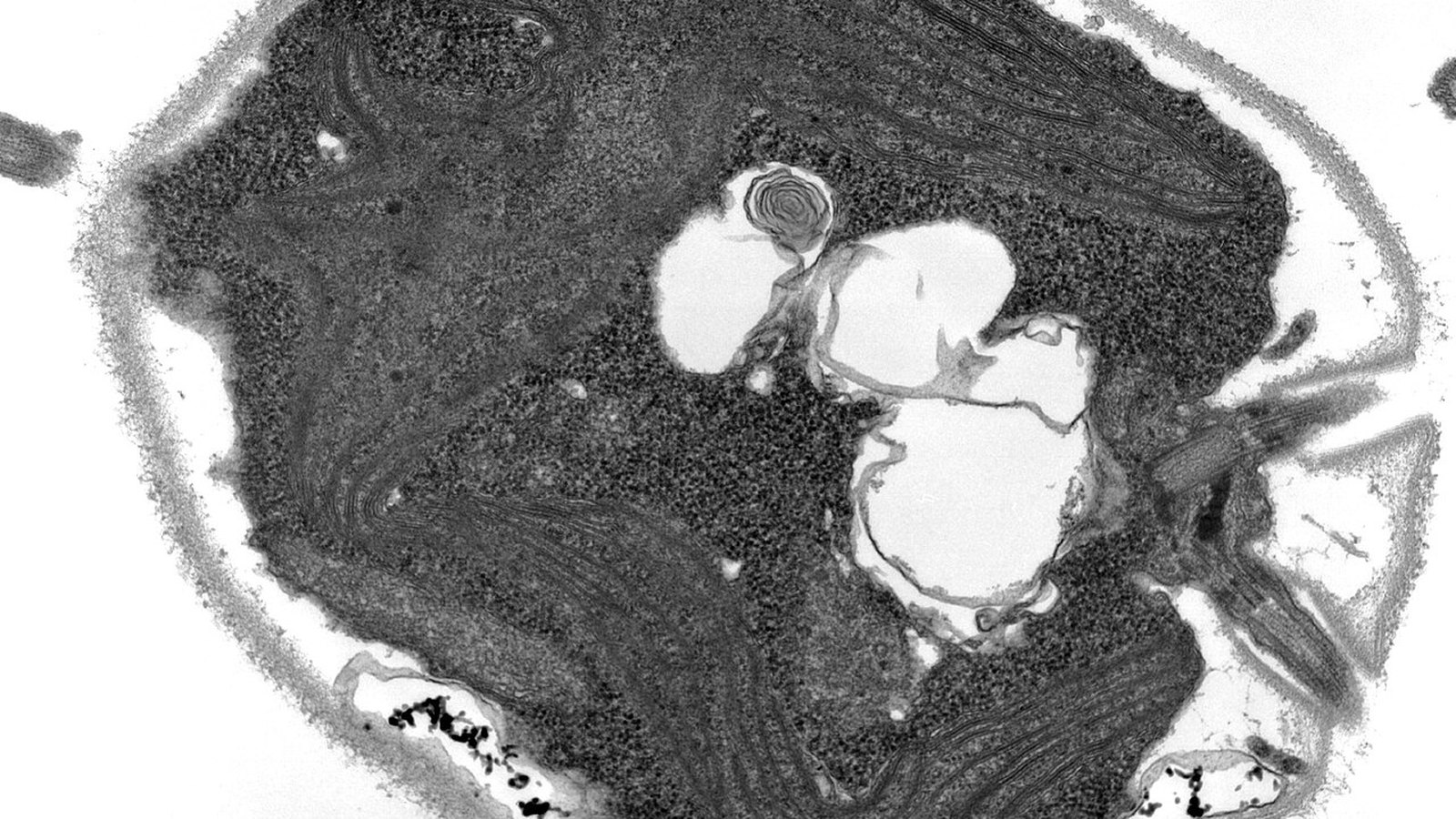
According to the Nobel Assembly, the work began with Hegemann’s question about how the single-celled alga Chlamydomonas swims toward light. Hegemann and Nagel discovered channelrhodopsin, a protein on the alga’s surface that opens a channel when hit by blue light, letting charged ions flow in and creating an electrical impulse. They found that cells into which they put the protein became light-sensitive.
Deisseroth then introduced the gene for channelrhodopsin into rat nerve cells and used blue light to trigger nerve signals, publishing the result in 2005, the assembly said. Two years later he made the switch work in the brains of living mice. The technique became known as optogenetics and is now used worldwide to map neural circuits tied to memory, emotion and behavior.
“This method (optogenetics) makes it possible to switch on, or off, the activity of individual nerve cells in a living brain,” Thomas Perlmann, secretary-general of the Nobel Assembly, said, according to Reuters (opens in new tab). Per Svenningsson, chair of the Nobel Committee for Physiology or Medicine, said, “Optogenetics provides opportunities for mapping the brain in a way that we could once only dream of,” according to the BBC and Karolinska Institutet.
Researchers are using optogenetics in animal models of schizophrenia, Alzheimer’s disease, Parkinson’s disease, epilepsy and addiction, and are testing it in efforts to restore vision in people with the inherited eye disease retinitis pigmentosa, Reuters (opens in new tab) reported. The most advanced potential treatments remain some way from patients, Reuters (opens in new tab) said.
Deisseroth is 54, Hegemann 71 and Nagel 73, Reuters (opens in new tab) reported. Reached early Monday, Deisseroth said, “I was not yet asleep, being a night owl, and now I don’t think I’ll be able to sleep for quite a while,” according to Reuters (opens in new tab). The three will share a prize of 12 million Swedish kronor. This year’s Nobel announcements continue through the week.