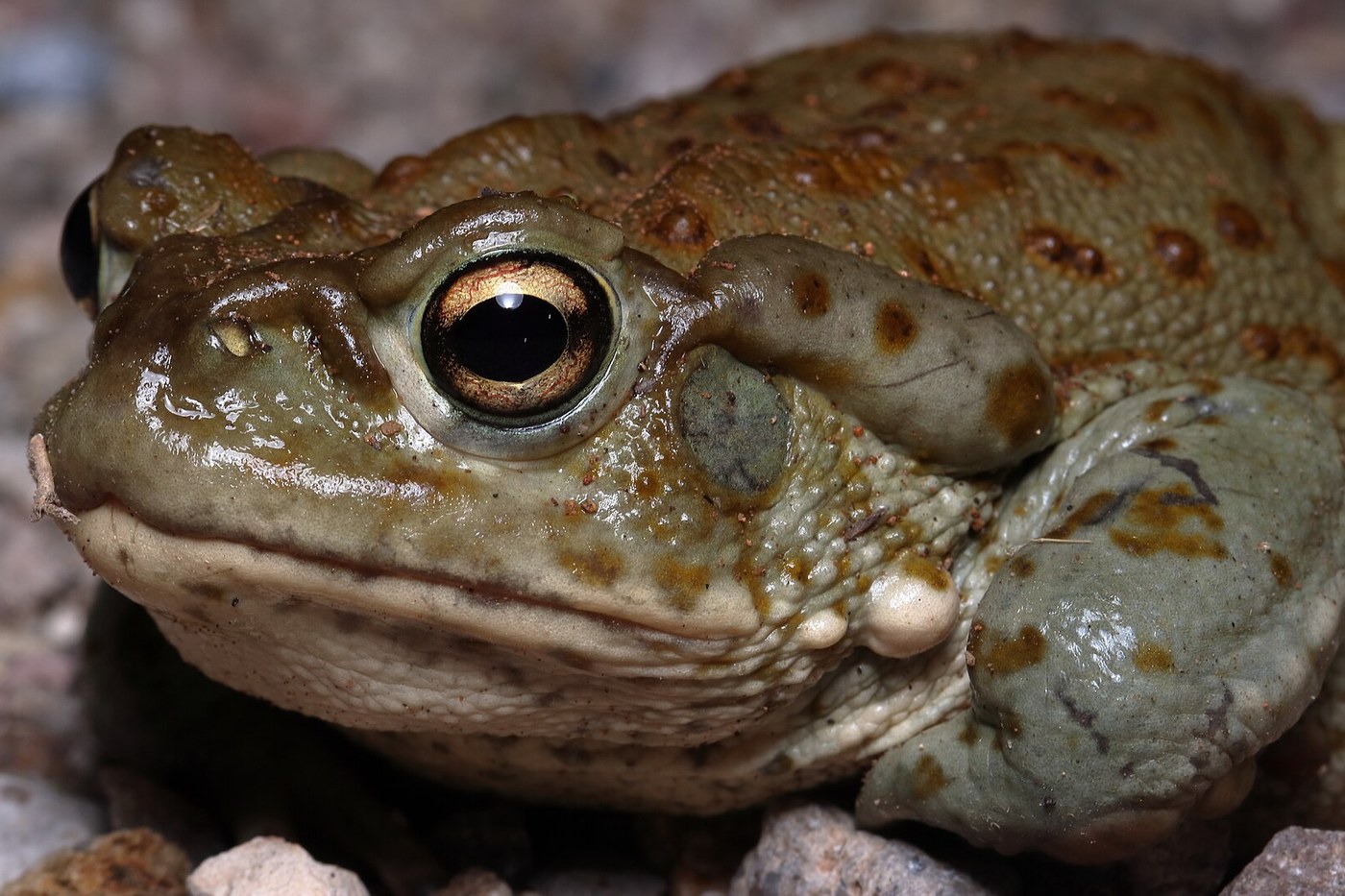
A single dose of the psychedelic mebufotenin sprayed into the nose reduced depression symptoms more than a very low dose in adults whose depression had not responded to standard drugs, according to a randomized trial published Monday in JAMA. The phase 2b trial included 193 adults in the primary and safety analyses, drawn from 196 who were randomized at 38 sites in Australia, Europe and the United States, the journal’s research summary said. It was funded by Beckley Psytech, an AtaiBeckley company.
Participants had a current episode of moderate to severe major depression and had not responded to two to five antidepressants, JAMA said. They received one spray of mebufotenin benzoate at 8 mg or 12 mg, or a 0.3 mg low-dose comparator, from a trained clinician, with more than four hours of observation and psychological support. Neither patients nor researchers knew who got which dose, JAMA said.
The primary measure was the change on the Montgomery-Åsberg Depression Rating Scale, which runs from 0 to 60, with higher scores meaning more severe depression. By day 29, scores for the 12 mg group fell 11.1 points and the comparator group 5.5 points, a mean difference of 5.3 points (95% confidence interval, 1.8 to 8.9; P = .003), JAMA reported. For the 8 mg dose the scores fell 12.5 points, a difference of 6.2 points from the comparator. Response at day 29 was 35% at 8 mg, 34% at 12 mg and 12% at the comparator dose, and remission was 26%, 18% and 8%, JAMA said. The benefit remained through day 57, the end of follow-up.
Treatment-emergent adverse events were reported in 76%, 85% and 73% of the three groups, and 99.7% were mild or moderate, JAMA said. Most participants were ready for discharge within two hours. ScienceAlert (opens in new tab) reported that the side effects were things like headaches, nausea and nasal pain that passed on the day of dosing, and that one person had two severe panic attacks during treatment. ScienceAlert (opens in new tab) also reported that the 8 mg dose will move to phase 3.
The study had several limits, JAMA’s summary said. Many participants worked out which dose they had received, the 8 mg group was smaller after a change in randomization, patients had to stop their antidepressants first, ethnic diversity was limited, and the trial did not test the effect of psychological support on its own.
Chittaranjan Andrade of India’s National Institute of Mental Health and Neurosciences, who was not involved in the trial and wrote a commentary on it in JAMA, was cautious, ScienceAlert (opens in new tab) reported. “The antidepressant effect was incomplete,” he said. “The average patient became only about 30 percent better, and the response and remission rates were below those typically seen, for example, with ketamine and electroconvulsive therapy.” He also noted that no patients had previously had ketamine or electroconvulsive therapy, and that people reporting suicidal thoughts were excluded, according to ScienceAlert (opens in new tab).
Mebufotenin, also called 5-MeO-DMT, occurs in the venom of the Sonoran Desert toad, but the trial used a synthesized form, ScienceAlert (opens in new tab) reported. The drug’s effects are short, which the study authors, led by David Feifel, say could reduce the monitoring time that longer-acting psychedelics such as psilocybin require, the outlet reported. ScienceAlert (opens in new tab) described it as a Schedule 1/Class A drug and said it is still a long way from medical use outside research settings.
The German pharmacists’ trade journal Pharmazeutische Zeitung, in an article in German, said the effect peaks within about 8 to 15 minutes and is over after 45 to 60 minutes, and that psilocybin and LSD require 4 to 12 hours of observation. The industry news site psychedelics.co.uk (opens in new tab) reported in May that AtaiBeckley plans two phase 3 trials of the 8 mg dose, with topline data expected in early 2029.