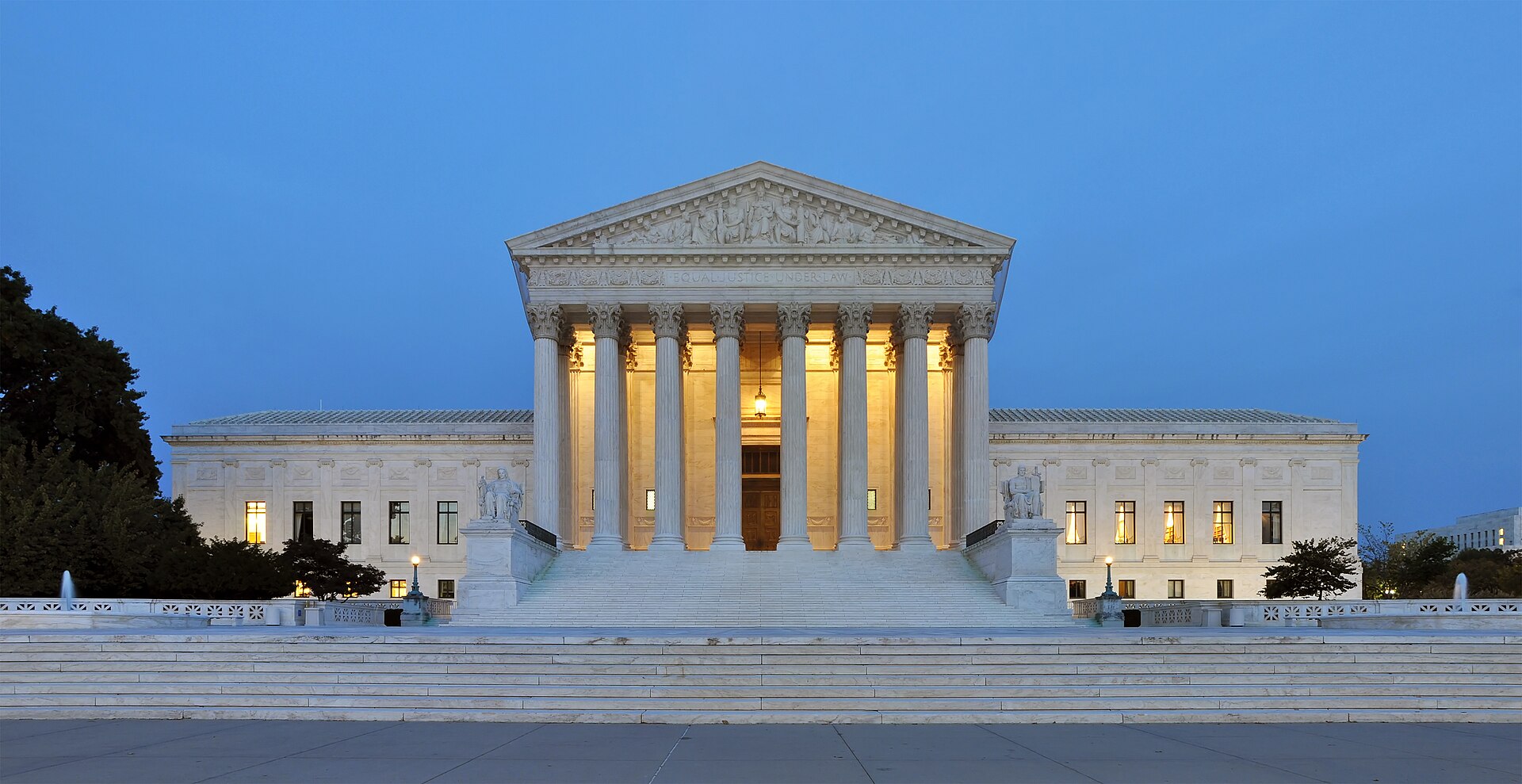
The U.S. Supreme Court on Tuesday allowed the Trump administration to resume, for now, deporting migrants to countries that are not identified in their removal orders, NPR (opens in new tab) reports, handing the White House another interim win on immigration enforcement.
The court’s brief order did not explain its reasoning for staying a lower-court injunction. It noted that the three liberal justices objected. The justices also said they would hear the case on the merits with oral argument in December, according to NPR (opens in new tab).
Solicitor General John Sauer had told the court the third-country policy is “an essential tool to remove certain aliens, including some of the worst criminal aliens,” arguing the nation is harmed when removals stall. The administration says it has used the practice to send tens of thousands of noncitizens to Mexico and countries in Africa and Latin America when home countries refused returns, NPR (opens in new tab) reports. DHS has argued that diplomatic assurances to Secretary of State Marco Rubio that a destination will not persecute or torture a person should suffice.
Immigrant advocates at the National Immigration Litigation Alliance, representing people facing removal, told the court that class members removed without meaningful notice have faced prolonged detention, beatings, sexual assault, disappearance and chain refoulement, lawyer Trina Realmuto wrote in filings quoted by NPR (opens in new tab). U.S. District Judge Brian Murphy in Boston had blocked the practice, saying it violated due process; Tuesday’s action is the third time the justices have rejected Murphy’s efforts to pause the removals, NPR (opens in new tab) notes.
The Hill (opens in new tab) and Fox News (opens in new tab) had covered the preceding First Circuit block and the administration’s emergency request earlier in the week. DHS has described canceled flights and diplomatic friction under the injunctions. The Supreme Court’s conservative majority has generally given presidents wide latitude at the border, including a 6–3 ruling last summer upholding broad power to end Temporary Protected Status, NPR (opens in new tab) recalls. Tuesday’s stay is temporary; the December argument will test whether the policy survives fuller review.