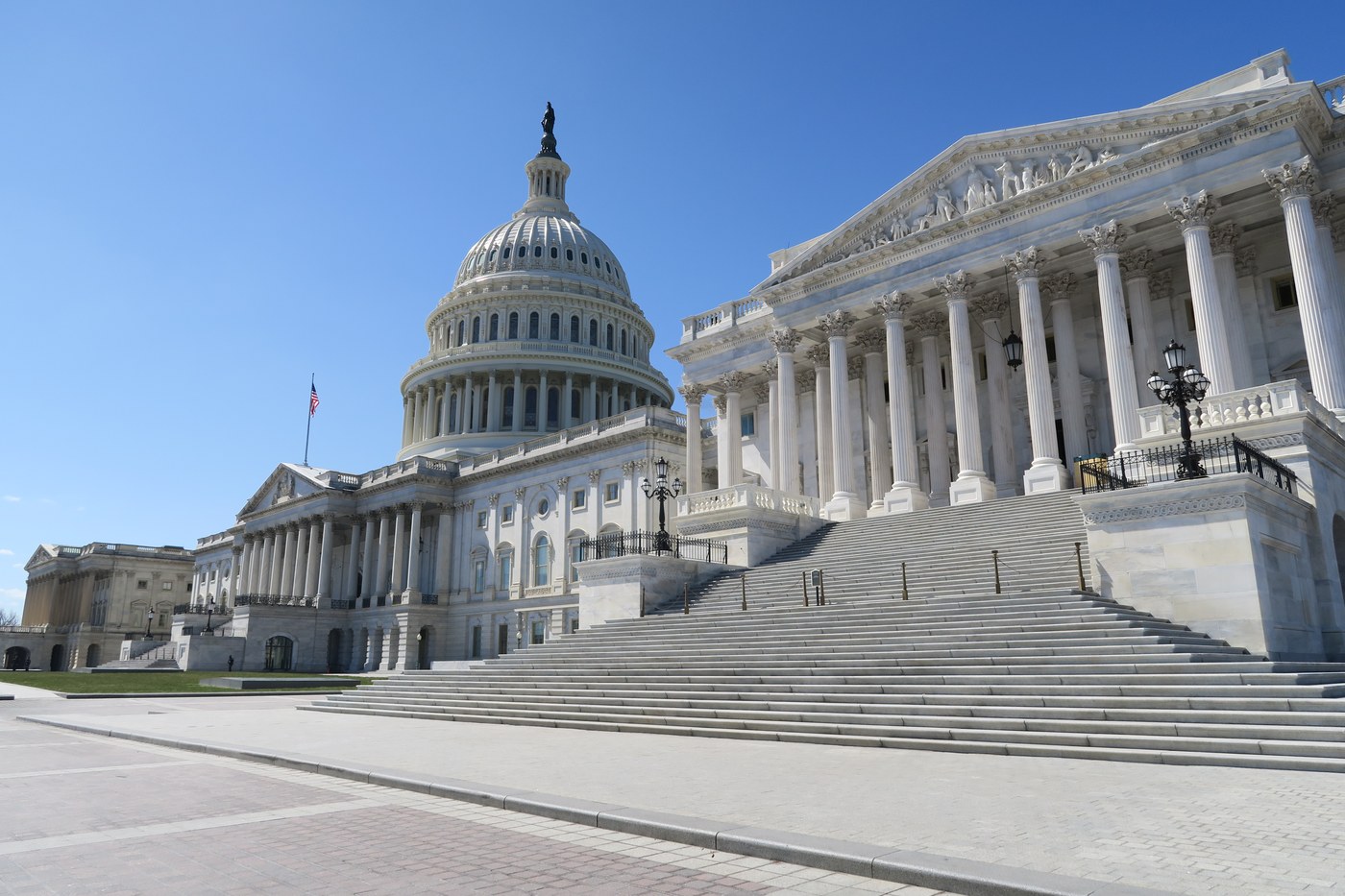
The Senate voted 73-25 on Monday to begin debate on a bipartisan bill that would speed up federal permitting for energy and infrastructure projects, clearing the 60 votes needed. The vote was on a motion to proceed to H.R. 2347, the House-passed bill being used as the vehicle for the Bipartisan American Affordability and Jobs Act.
Republicans voted 51-1 in favor, with only Sen. Mike Rounds of South Dakota opposed, Axios (opens in new tab) reported. Twenty-one Democrats and independent Sen. Angus King of Maine voted yes, while 23 Democrats and independent Sen. Bernie Sanders of Vermont voted no.
The bill would shorten National Environmental Policy Act review timelines for energy infrastructure, narrow the period for filing legal challenges against new projects and require data center developers to pay the cost of powering their facilities, Engineering News-Record (opens in new tab) reported. It was introduced in late September by Environment and Public Works Committee Chair Shelley Moore Capito, R-W.Va., ranking Democrat Sheldon Whitehouse of Rhode Island, Energy Committee Chair Mike Lee, R-Utah, and ranking Democrat Martin Heinrich of New Mexico after talks with the White House. President Donald Trump said on Nov. 8 that he would sign it. On the floor, Capito said communities have waited too long "in regulatory limbo for roads, bridges, energy infrastructure, manufacturing facilities, and other investments."
Several yes votes were conditional. Senate Minority Leader Chuck Schumer said he has "outstanding concerns" that he will "fight to address" through amendments, according to Axios (opens in new tab). Sen. Catherine Cortez Masto, D-Nev., said tribes in her state object to the bill's historic preservation provisions: "If Title III stays in this bill, I will not vote for final passage," she said, according to States Newsroom. Natural Resources Defense Council CEO Manish Bapna said the package "goes too far in weakening essential environmental safeguards and public participation requirements." Axios (opens in new tab) also reported that Trump said shortly before the vote that he would not approve wind turbines, while the White House said he "stands 100%" behind the bill.
With Congress out from Wednesday through Friday for Veterans Day, the Washington Examiner (opens in new tab), writing before the test vote, said a final Senate vote would likely slip to next week. The House would still have to act, and Engineering News-Record (opens in new tab) reported that the bill could face headwinds in the House, where observers said some Democrats want to postpone action until January, when they will have more leverage.