The U.S. State Department on Wednesday ordered non-emergency U.S. government employees and their families to leave Saudi Arabia, citing escalating attacks by Yemen’s Iran-backed Houthis on civilian airports and other infrastructure, the BBC, Reuters, DW (opens in new tab) and Fox News (opens in new tab) reported.
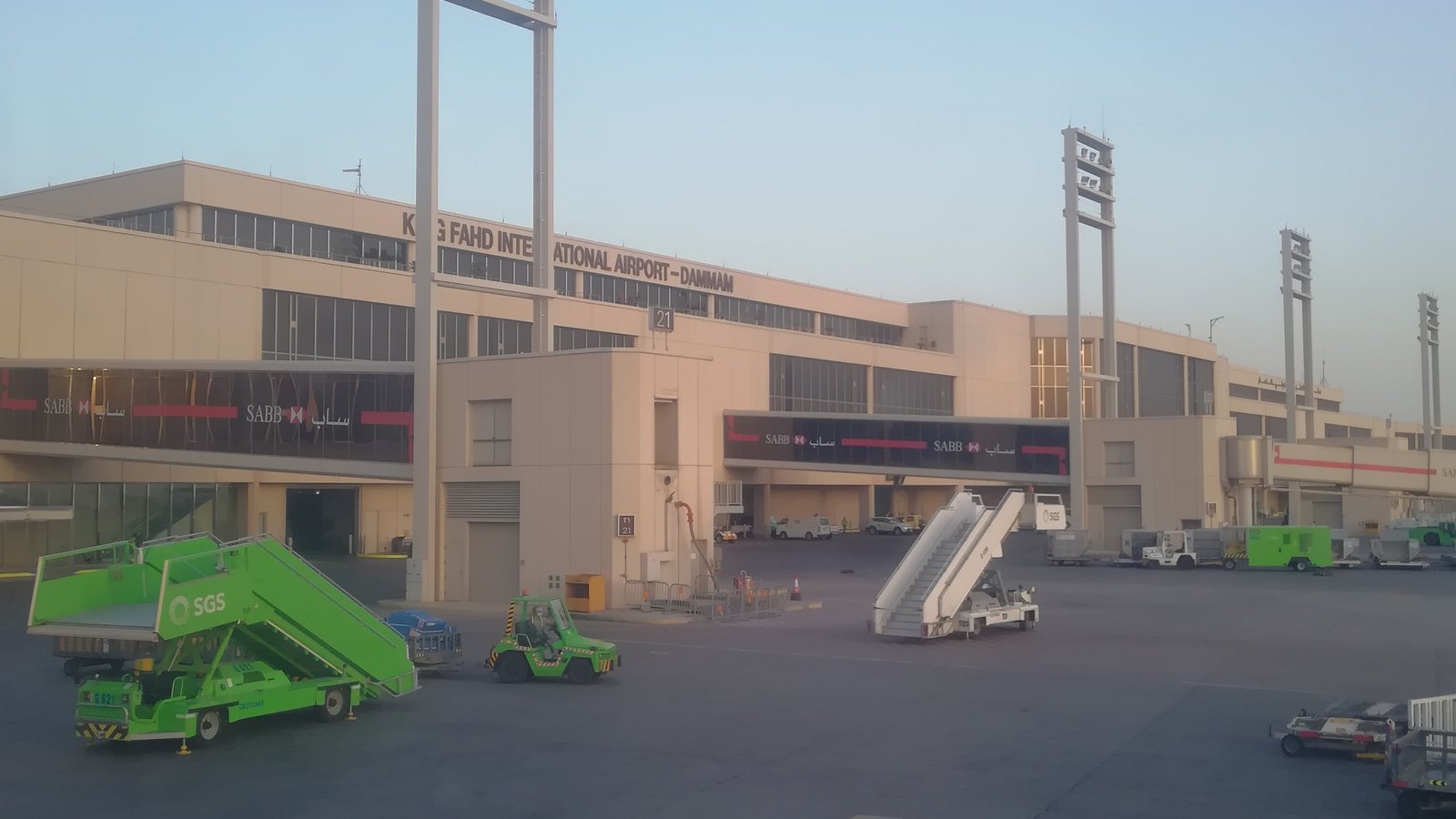
Late Wednesday, Saudi Arabia’s civil aviation authority reported a strike on King Fahd International Airport in Dammam, in the kingdom’s east. Reuters and the BBC reported one person killed and eight injured; DW (opens in new tab), citing the same authority, reported two dead and eight injured. Flight-tracking service Flightradar24 said flights were being diverted as operations halted, according to DW (opens in new tab). Earlier in the day, the energy ministry said debris from a drone intercepted while targeting Saudi Aramco’s Shaybah oilfield killed two people, whom it identified as a Filipino and a Nepali national, DW (opens in new tab) reported.
Reuters and The National (opens in new tab) later reported, citing the General Authority of Civil Aviation, that two people were killed, a Saudi citizen and an Indian national, and eight were wounded; The National (opens in new tab) said the Indian embassy in Riyadh confirmed one of its citizens had died. The authority said Thursday that operations at the airport had resumed and air traffic had returned to normal, The National (opens in new tab) and Reuters reported.
Saudi authorities did not say who carried out either attack, according to DW (opens in new tab) and the BBC, and DW (opens in new tab) reported that the Houthis had not claimed responsibility for the Dammam strike. State Department spokesperson Tommy Pigott said: “Iranian-supported Houthis have increasingly engaged in hostilities against Saudi Arabia, including attacks on civilian airports and other critical infrastructure resulting in civilian casualties and severe travel disruptions.” A department spokesperson also warned that “the hostilities have the potential to escalate rapidly,” the BBC reported.
On Thursday, Saudi Aramco told staff to evacuate its headquarters in Dhahran and work remotely, six people with knowledge of the matter told Reuters. The company did not immediately respond to a request for comment, and the reason for the evacuation was unclear, Reuters reported. Houthi military spokesperson Yahya Saree said in a televised speech that the group had attacked Aramco facilities in the Red Sea city of Yanbu and the Saudi defense ministry in Riyadh; Saudi authorities did not confirm the attack, according to Reuters. The Saudi-led coalition said it had intercepted drones over Riyadh and Medina, Reuters reported.
The kingdom’s benchmark index fell 2.5% on Thursday after the Aramco news, Reuters reported, citing LSEG data. Brent crude futures rose $3.06, or 2.81%, to $111.88 a barrel by 1104 GMT, after touching $112.55, the highest since May 18, according to Reuters.
Reuters, citing four U.S. officials, reported that U.S. missions in other Gulf states would also order family members to leave, and DW (opens in new tab) said AFP reported similar orders for the UAE, Jordan, Qatar and Bahrain. Pigott called those reports “inaccurate,” according to DW (opens in new tab), and said the order applied to “non-emergency U.S. government employees and their family members in Saudi Arabia only,” Fox News (opens in new tab) reported.
An informal four-year truce between Saudi Arabia and the Houthis unravelled in July, when the group announced a “maritime embargo” against the kingdom and began missile and drone attacks on airports, oil facilities and tankers, the BBC reported. Houthi strikes and attempted strikes on Saudi Arabia more than doubled in a single week this month, Fox News (opens in new tab) reported, citing the Armed Conflict Location & Event Data Project, and an attack on Riyadh’s King Khalid International Airport killed at least 13 people. Britain said Tuesday it would deploy Typhoon fighter jets to help defend Saudi Arabia, and President Donald Trump has said the U.S. could join Saudi strikes on the group: “We may. We’re gonna look at it,” he told reporters earlier this month, according to Fox News (opens in new tab).