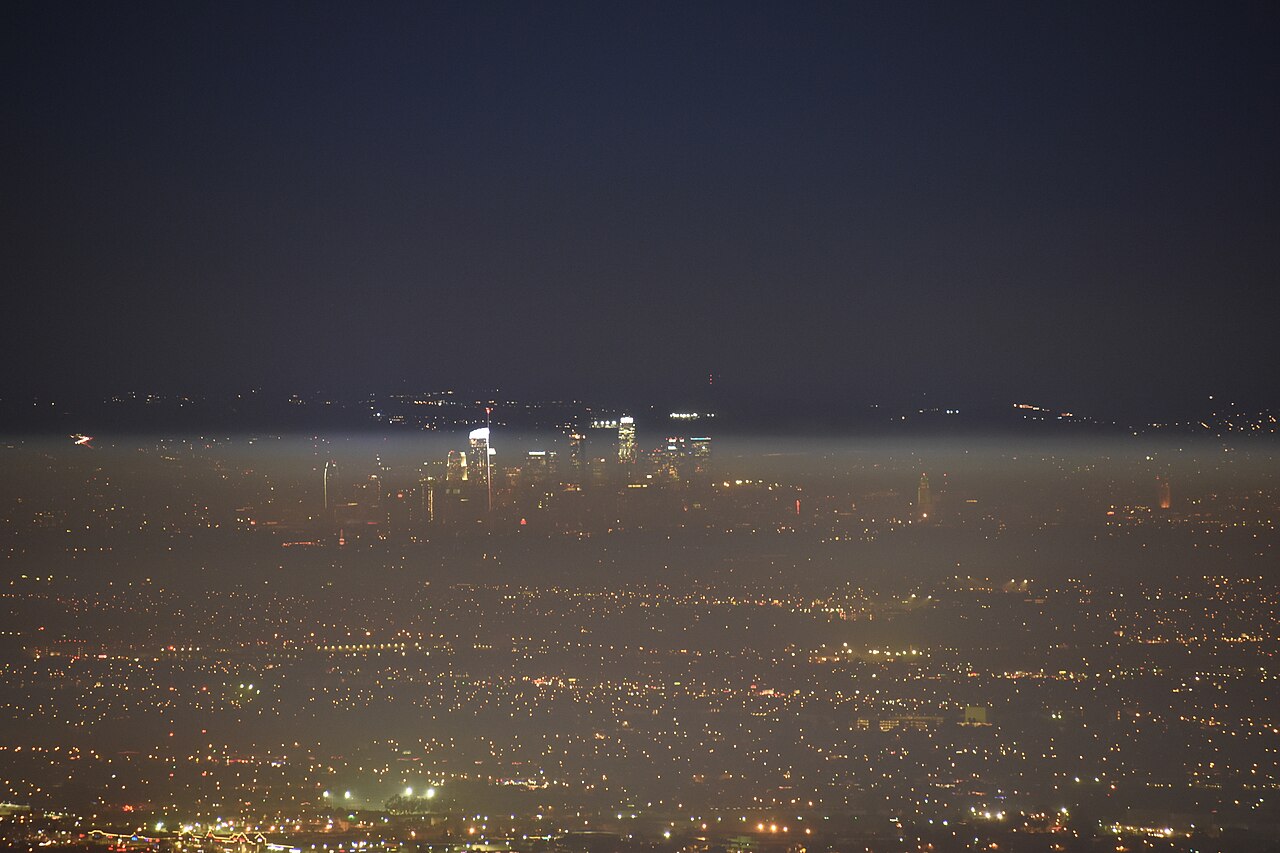
A study published Sept. 25, 2026, in Scientific Reports found that higher weekly wildfire-specific fine particulate matter (PM2.5) was associated with increases in acute cardiovascular and respiratory hospital encounters across the United States. The retrospective analysis used National COVID Cohort Collaborative health records for 109,012 patients at 58 U.S. health systems in 2020–2021 and estimated county-level wildfire-specific PM2.5 with a fire-emissions database and chemical transport modeling. The journal released the peer-reviewed paper as an accepted early version that will be replaced by a final version of record. An earlier version, with the same headline results, was posted in April as a Research Square preprint before peer review.
Using generalized linear mixed-effects models, the authors reported statistically significant increases in weekly encounters per county of residence for every 10 µg/m³ rise in weekly maximum wildfire-specific PM2.5: acute myocardial infarction (0.084; 95% CI 0.023–0.146), cardiac arrest (0.011; 0.001–0.021), heart failure (0.083; 0.024–0.142), atrial fibrillation (0.115; 0.014–0.216), COPD exacerbation (0.034; 0.001–0.066) and pulmonary embolism (0.048; 0.003–0.094). Exposure in the models was examined up to 50 µg/m³.
COVID-19 infection status did not appear to modify those relationships, and the study did not find a significant increase in COVID pneumonia admissions tied to rising wildfire smoke, the authors wrote. The authors are affiliated with the University of Miami, Duke University and The Nature Conservancy. The work used the N3C data enclave supported by the National Center for Advancing Translational Sciences, and the paper lists OAK Foundation seed funding, Duke intramural funding and a National Institute of General Medical Sciences grant among its support.
The authors conclude that the findings “demonstrate quantifiable increases in acute cardiorespiratory morbidity associated with wildfire smoke exposure,” while describing the size of the mean differences as “modest.” They list several limitations: the cohort includes only patients tested for COVID-19 at the 58 participating health systems; data are limited for California and the West Coast, “areas of highest smoke exposure”; and records had to be aggregated by week and county, which the authors say likely obscured the detection of respiratory presentations. The study is observational, so it estimates associations rather than proving individual-level causation, and wildfire PM2.5 was modeled at county scale rather than measured at each patient’s address.