Researchers in China have identified human fossils from the Xujiayao site in northern China as belonging to Denisovans, an extinct group of archaic humans, using ancient protein analysis and comparisons of skull, jaw and tooth shape, according to a study published Oct. 21 in Nature.
The team, led by Qiaomei Fu and Song Xing of the Institute of Vertebrate Paleontology and Paleoanthropology of the Chinese Academy of Sciences, recovered 18 endogenous proteins from two specimens dated to about 199,000 to 138,000 years ago, the paper says. The proteins carried a variant previously associated with Denisovans, which the authors used to place the fossils in that lineage.
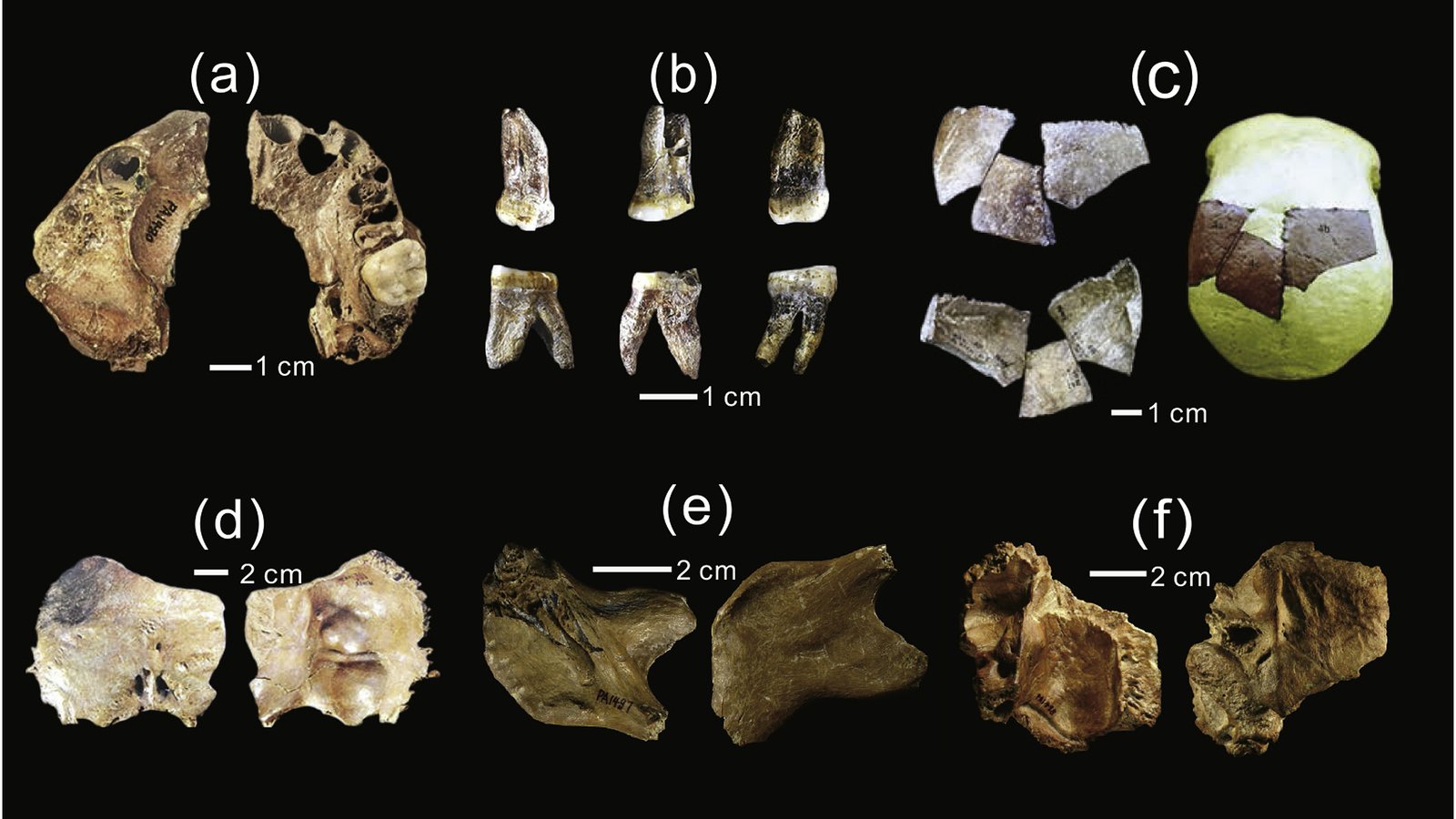
Twenty human fossils were excavated at Xujiayao, in the Nihewan Basin, between 1976 and 1979, and they have long been debated. The paper says the remains share features with fossils from Harbin, Jinniushan, Dali and Hualongdong, and that Denisovans may have lived in East Asia from at least 300,000 to 45,000 years ago. The Xujiayao remains had previously been classed by some researchers as a separate species, Homo juluensis.
Denisovans were first identified in 2010 from DNA in a finger bone found in Denisova Cave in Siberia, and have been known mostly from molecular evidence. Using the Xujiayao fossils as a reference, the team described traits including a low, broad cranial vault, thick skull bones and simplified premolar chewing surfaces, the Global Times (opens in new tab) reported.
“We are finally starting to put a face to the Denisovan,” Sally Wasef of the Queensland University of Technology, who was not involved in the study, told Nature's news team. Fabrice Demeter of the University of Copenhagen, who reviewed the paper for the journal, said: “The study represents a major step forward.”